Understanding Coal Based Activated Carbon Price: Specs, Quality & Supply Factors
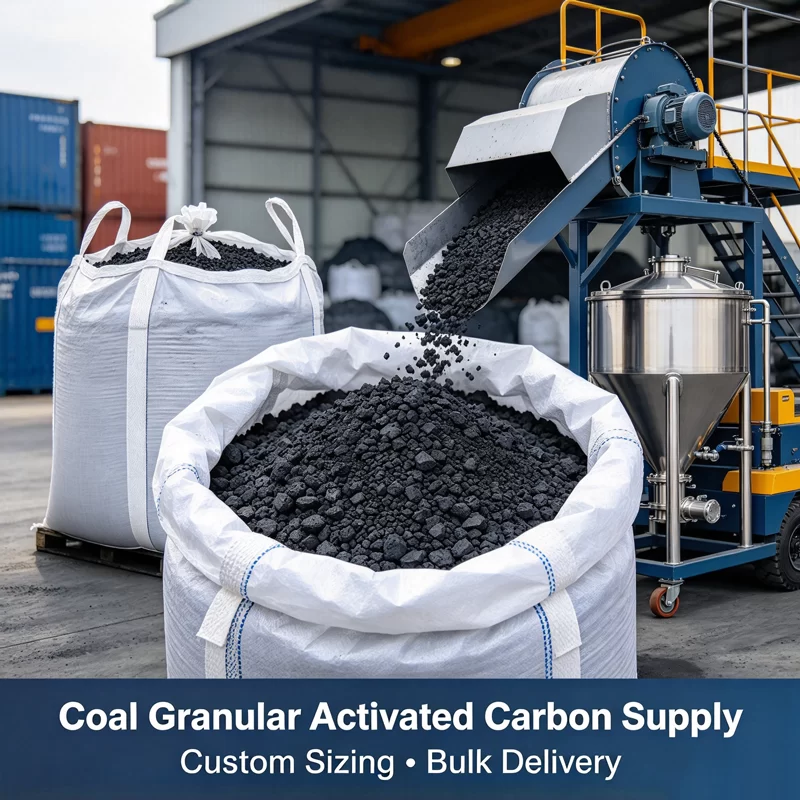
Industrial purification systems rely extensively on carbonaceous adsorbents to isolate contaminants across gaseous and aqueous phases. Among available porous media, coal-derived adsorbents maintain the largest global market share by volume due to their diverse pore architecture, structural integrity, and economic viability. Procurement directors and process engineers frequently encounter significant variations in market quotations. Understanding the underlying factors governing the coal based activated carbon price requires an examination of thermal processing parameters, raw precursor geology, mechanical classifications, and performance yield analytics.
Precursor Petrology and Its Role in Base Production Costs
The initial cost baseline of any carbonaceous adsorbent originates at the mine face. Coal exists in several developmental ranks, each possessing distinct chemical compositions, fixed carbon contents, and volatile matter profiles that fundamentally dictate processing efficiency.
- Anthracite Coal: Possesses the highest fixed carbon content (typically 85% to 95%) and lowest volatile matter. Anthracite forms the bedrock for heavy-duty granular and extruded media requiring exceptional mechanical hardness and dense micropore structures. The processing yields from anthracite are high, but the procurement cost of high-grade anthracite directly elevates base manufacturing expenditures.
- Bituminous Coal: Contains lower fixed carbon (60% to 80%) and higher volatile matter alongside moderate ash content. Thermal processing requires comprehensive devolatilization phases. Bituminous coal excels at generating transitional mesopores (2 to 50 nanometers), making it indispensable for liquid-phase color removal and wastewater treatment. Processing costs fluctuate alongside the natural gas and auxiliary fuel necessary to sustain activation temperatures.
- Sub-Bituminous and Lignite: Characterized by high moisture, lower density, and prominent macroporosity (>50 nanometers). While raw material extraction costs remain comparatively low, conversion yields drop substantially during carbonization. Large volumetric processing is required to generate a single metric ton of saleable product, counterbalancing raw material savings through higher energy consumption per unit of finished adsorbent.
Variations in regional mining regulations, rail logistics from mining basins to processing centers, and extraction tariffs continuously influence feedstock expenses long before raw minerals reach thermal activation kilns.
Thermal Activation Energetics and Manufacturing Dynamics
Transforming raw coal into an activated filtration medium demands high-temperature processing across two primary stages: carbonization and activation. Carbonization takes place in an inert atmosphere at temperatures between 400°C and 600°C to strip out volatile compounds and initiate the preliminary carbon skeleton.
Activation follows within rotary kilns or vertical shaft furnaces at temperatures ranging from 850°C to 1000°C. Controlled introduction of oxidizing gases—predominantly superheated steam—consumes carbon atoms through the endothermic water-gas shift reaction:
C + H2O → CO + H2
This reaction selectively erodes internal carbon structures to generate an extensive internal network of micropores and mesopores. Thermal efficiency, furnace dwell times, and fuel availability dictate manufacturing overhead. Facilities equipped with modern energy-recovery systems mitigate natural gas consumption by redirecting byproduct gases back into the thermal loop. Advanced manufacturing centers such as Nanfang utilize automated rotary kilns designed to sustain uniform activation zones, which minimizes the rejects that otherwise drive up the aggregate coal based activated carbon price per metric ton.
Technical Variables Influencing the Coal Based Activated Carbon Price
Industrial buyers must recognize that generic pricing structures rarely align with tightly engineered municipal or petrochemical applications. Adsorbent cost scales directly with precise physical, chemical, and adsorption characteristics.
1. Iodine Number and Internal Surface Area
The iodine number (measured in mg/g according to ASTM D4607) serves as the industry benchmark for measuring micropore capacity (pores below 2 nanometers), mirroring the total internal surface area accessible to small molecules. Standard commercial products offer iodine levels from 600 mg/g to 800 mg/g. Producing grades reaching 900 mg/g, 1050 mg/g, or 1150 mg/g requires prolonged activation dwell times inside the furnace. Extended dwell times burn away a larger fraction of the carbon skeleton, decreasing net output yield and requiring more precursor input per finished ton. This deliberate yield reduction directly shifts the coal based activated carbon price benchmark for high-surface-area grades.
2. Carbon Tetrachloride (CTC) Adsorption and Butane Working Capacity
In gas-phase and solvent-recovery operations, CTC adsorption values (ASTM D3467) illustrate an adsorbent's capacity for volatile organic compounds (VOCs). Standard coal grades provide CTC values between 40% and 60%, whereas specialized gas-purification pellets can exceed 70% to 80%. Developing such extensive pore distributions necessitates precise atmosphere regulation inside the activation zone, correlating with higher operational costs.
3. Physical Morphology and Mechanical Processing
The structural geometry specified by an engineering project determines downline fabrication workflows:
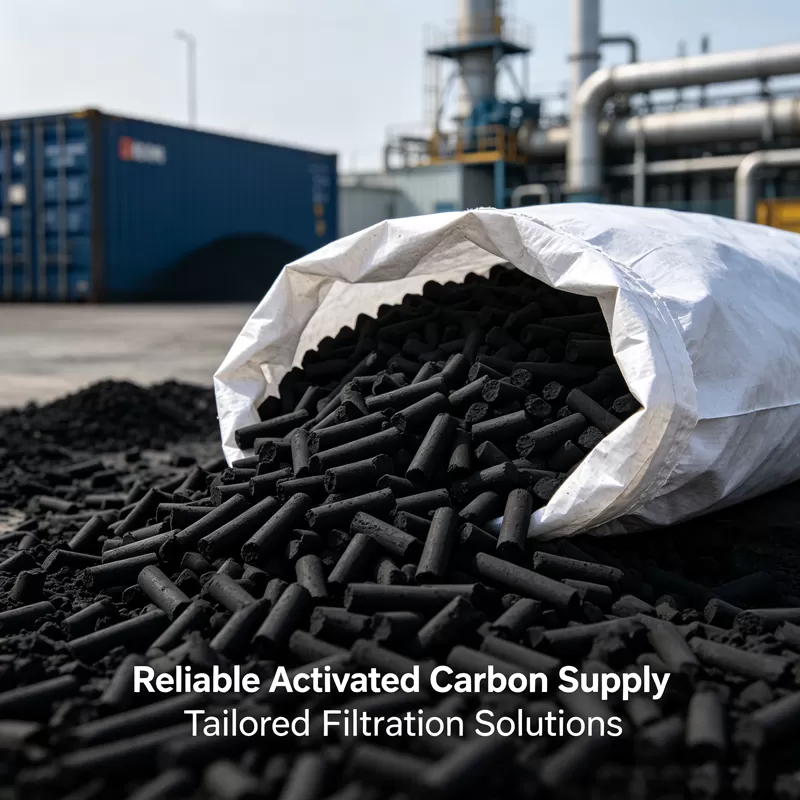
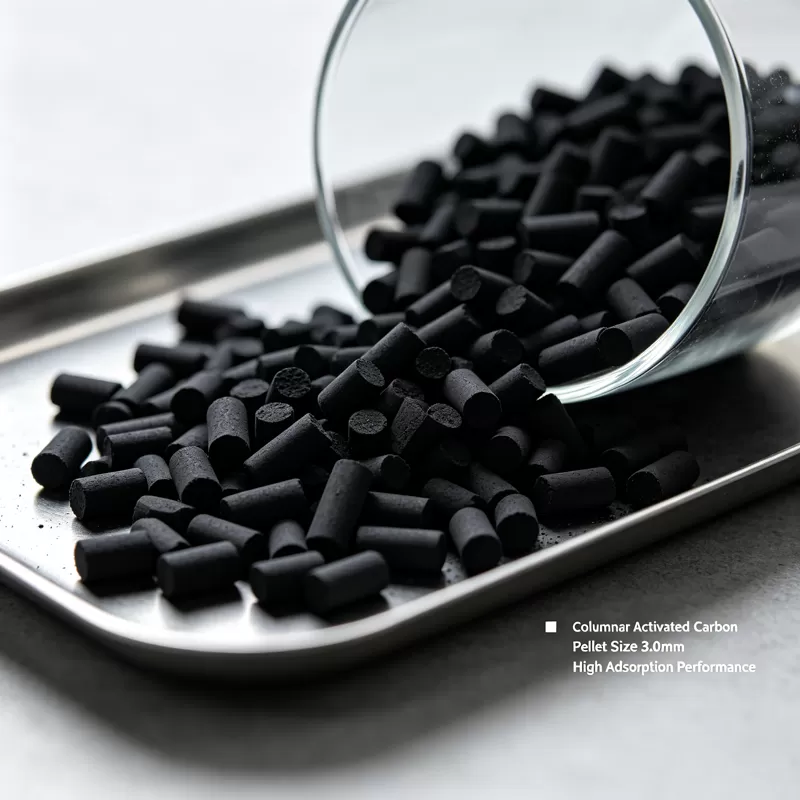
- Extruded Pellets (Columnar): Produced by pulverizing anthracite or bituminous coal into a fine flour, blending it with an organic binder (typically coal tar pitch), extruding the plasticized mass through precision dies (diameters from 0.9 mm to 8.0 mm), and subsequently carbonizing and activating the extrudates. The binder costs, mechanical extrusion upkeep, and secondary thermal cycles create a higher unit cost structure than direct-crushed media.
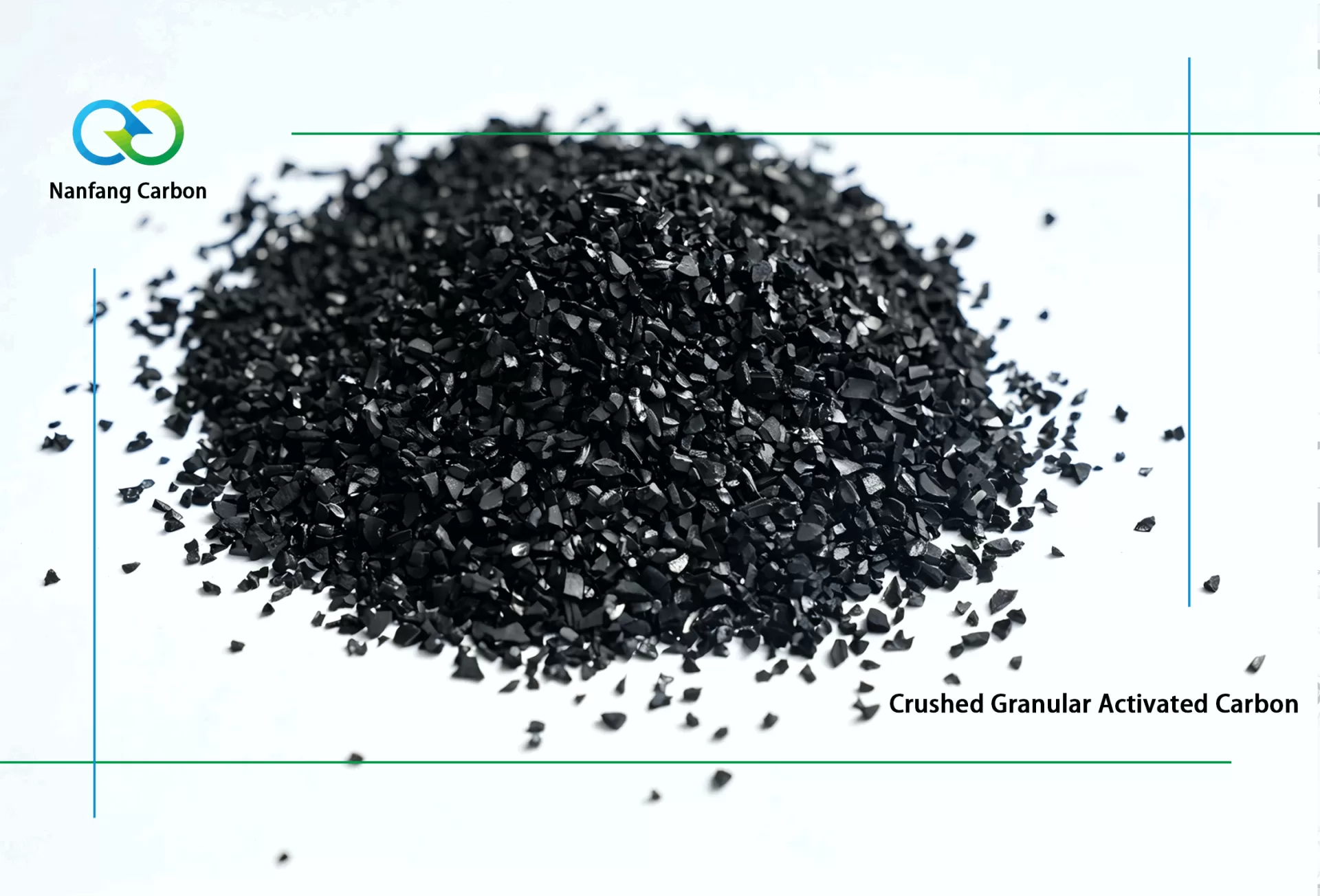
- Granular Activated Carbon (GAC): Produced either by direct crushing and screening of activated lumps or by agglomerating pulverized coal under high pressure prior to thermal processing. Reagglomerated GAC exhibits consistent internal pore distributions and superior mechanical resistance to thermal and hydraulic stress, but the multi-stage compaction processes dictate a pricing tier above standard direct-crushed media.
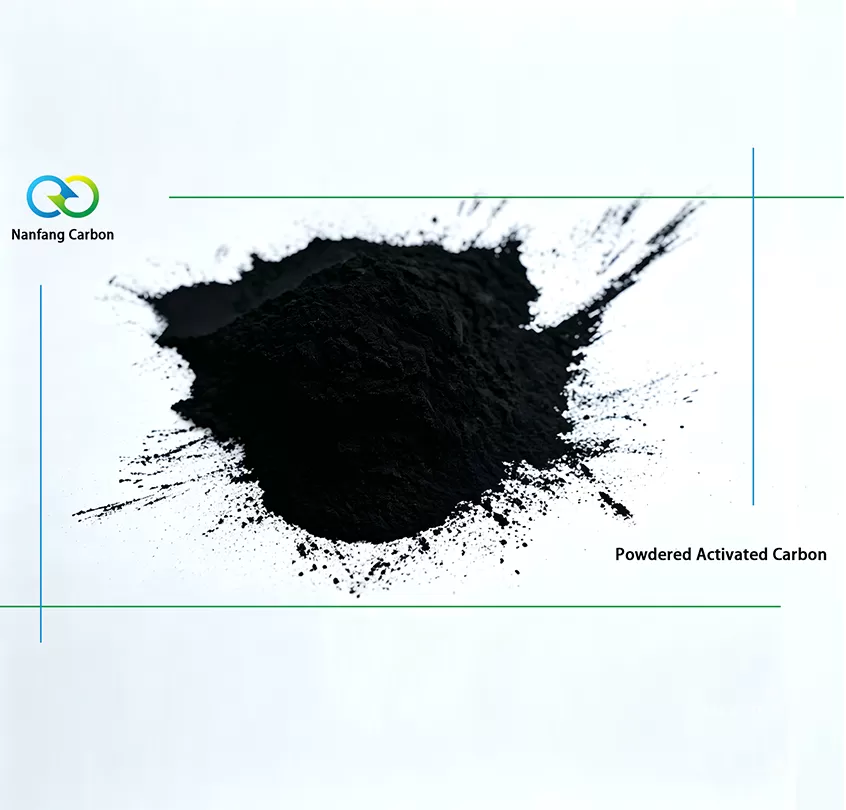
- Powdered Activated Carbon (PAC): Generated by milling carbon particles to particle sizes where 90% or more pass through a 200 or 325 mesh sieve. Although PAC avoids complex pellet extrusion steps, specialized micro-milling machinery, explosion-proof baghouse handling, and energy-intensive grinding influence the net cost.
4. Ash Content and Acid-Washing Refinements
Raw coal naturally carries mineral impurities consisting of silica, alumina, iron oxides, and calcium compounds. Unwashed coal-derived adsorbents possess total ash contents between 8% and 15% by weight. For specialized applications—such as electronics manufacturing, catalyst carrier matrices, high-purity pharmaceutical intermediates, and condensate polishing—residual ash can leach undesirable metal ions into process streams. Minimizing this requires treating the activated matrix with hydrochloric or hydrofluoric acid wash baths, followed by systematic demineralized water rinses to neutralize the pH. Acid-washing protocols consume high volumes of reagents, mandate specialized acid-resistant polymer tanks, and produce chemical wastewater that requires treatment, introducing a noticeable premium over standard industrial grades.
Comparative Analysis: Grade Specifications vs. Cost Drivers
The relationship between technical specifications and relative market valuation can be observed across standard industrial specifications:
| Product Classification | Target Metrics (Iodine / CTC) | Ash Profile | Primary Manufacturing Factor | Market Cost Index |
|---|---|---|---|---|
| Standard Flue Gas PAC | 500 - 650 mg/g / N/A | 12% - 15% Standard | High-throughput continuous milling | Baseline |
| Direct-Crushed GAC (12x40 Mesh) | 800 - 950 mg/g / 45% - 55% | 10% - 13% Standard | Crushing, classification, sizing yield losses | Moderate |
| Pelletized Gas Phase (4mm Extruded) | 900 - 1050 mg/g / 55% - 65% | 8% - 11% Standard | Coal flour blending, organic binders, extrusion | Upper Moderate |
| Reagglomerated GAC (8x30 Mesh) | 950 - 1100 mg/g / 60% - 70% | 8% - 10% Standard | Hydraulic briquetting, uniform pore generation | High |
| Acid-Washed High Purity GAC | 1000 - 1150 mg/g / 65% - 75% | < 3% - 5% Ultra-low | Chemical extraction, rinsing, drying, neutralization | Premium |
Industrial Application Requirements Driving Volume Demands
Demand profiles across industrial segments guide seasonal and contractual pricing balances. Large installations leverage high order volumes to secure stable baseline agreements, while specialized small-batch processing requires bespoke manufacturing setups.
In municipal and industrial wastewater facilities, operators deploy granular coal activated carbon within deep-bed gravity filters to eliminate refractory organic carbon, chemical oxygen demand (COD), and endocrine disruptors. Mechanical hardness (measured via ASTM D3802 Ball-Pan Hardness) must remain above 95% to resist bed abrasion under repetitive backwashing cycles. Premature attrition generates sub-mesh fines that wash away during fluidization, accelerating media replacement schedules.
Industrial air treatment relies heavily on 3mm and 4mm extruded pellets positioned in fixed adsorption beds for capturing hydrocarbons, paint-shop solvents, and biogas hydrogen sulfide (H2S). Flue gas desulfurization (FGD) systems at power generation facilities frequently choose powdered coal carbon injected upstream of electrostatic precipitators to strip gaseous mercury from flue gases. Because power utilities operate on continuous delivery cycles, long-term procurement structures heavily sway regional spot availability and base costs.
Producers such as Nanfang engineer customized pore matrix profiles that balance broad transport mesopores with deep retention micropores, enabling plants to operate extended adsorption cycles between vessel turnarounds.
Global Supply Chain Infrastructure, Tariffs, and Packaging Logistics
A significant portion of the total landed cost paid by industrial facilities is governed by logistics and trade factors occurring after production:
- Ocean Freight and Fuel Surcharges: Bulk adsorbents possess relatively low bulk densities (ranging from 400 kg/m³ to 550 kg/m³ for GAC and pellets). Container vessels hit volumetric cubic limits long before reaching maximum gross weight ratings. Ocean freight rate fluctuations directly alter the landed coal based activated carbon price in European and North American ports.
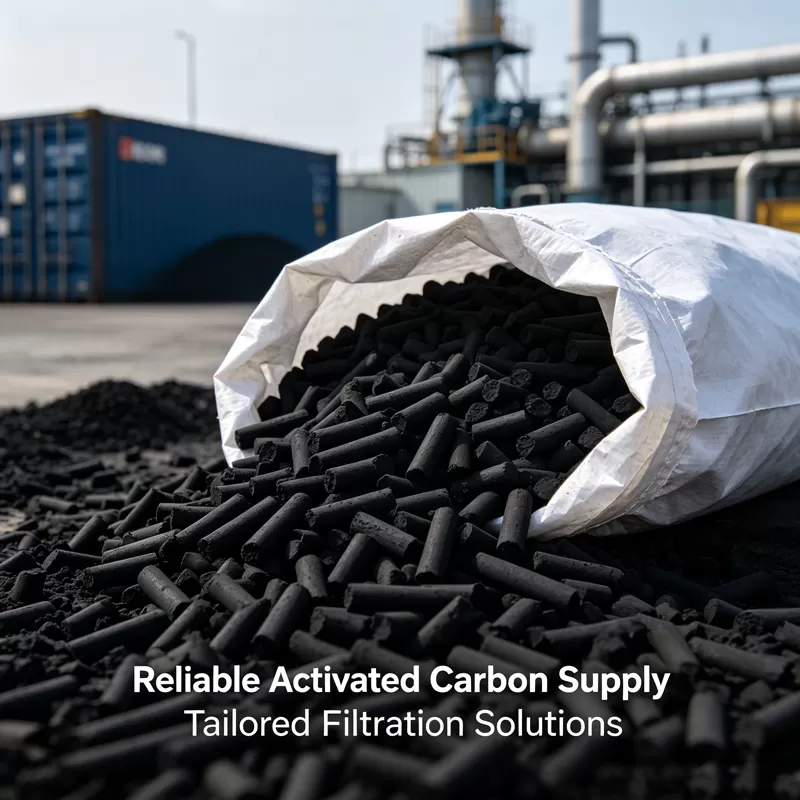
- Protective Packaging Solutions: Activated carbon is inherently hygroscopic and chemically receptive to ambient vapors. Proper containment is mandatory to prevent baseline loading during transit. Standard options include 25kg woven polypropylene bags lined with polyethylene, stacked and stretch-wrapped on heat-treated pallets, or 500kg to 1000kg bulk super-sacks equipped with discharge spouts. Moisture-resistant barrier liners preserve activation potential across long oceanic voyages but add variable cost increments per metric ton.
- Trade Duties and Environmental Regulatory Tariffs: Tariffs,
anti-dumping duties, and domestic environmental policies play a critical role in
global commerce. Compliance protocols associated with regional pollution
thresholds and emissions standards during the activation phase dictate
operational overhead in precursor-supplying regions.
Strategic Sourcing: Optimizing Total Cost of Ownership
Evaluating an adsorbent bid solely on a per-kilogram basis overlooks the overall operational balance of the purification train. Astute procurement directors evaluate the baseline coal based activated carbon price against operational lifecycle longevity.
When media with higher iodine values and mechanical hardness operate within high-flow columns, the bed life between thermal reactivation cycles or virgin bed replacements extends substantially. A low-cost, under-activated media exhibiting low hardness may fracture under system pressures, driving up column differential pressure (delta-P), requiring more frequent backwashes, and causing early contaminant breakthrough. The direct labor, vessel downtime, and transport overhead associated with replacing a loaded carbon bed often surpass the original acquisition differential of superior media.
Additionally, determining whether spent media will be replaced entirely with virgin material or processed via custom off-site thermal reactivation shapes life-cycle budgeting. Coal-based media characterized by high structural integrity handle thermal reactivation processes well, retaining usable volume across multiple heating cycles and lowering net media costs over continuous operational years.
Frequently Asked Questions
What is the typical difference between coal-based and coconut-shell-based activated carbon?
Coconut-shell-derived activated carbon features a predominantly microporous structure suited for small-molecule capture, such as drinking water chlorine byproducts and gold recovery complexes. Coal-based activated carbon exhibits a wider pore distribution that contains micropores, mesopores, and macropores. This structural diversity allows coal carbon to adsorb larger organic molecules, industrial dyes, and broad-spectrum pollutants where coconut carbons might experience pore blinding. Coal grades also generally carry a distinct bulk density and ash profile compared to shell carbons.
Why does acid-washed coal activated carbon carry a noticeable cost premium?
Acid-washing introduces intensive secondary processing stages. The activated carbon undergoes targeted chemical baths to extract soluble ash components, iron, silica, and heavy metals. This must be followed by extensive rinsing cycles using high volumes of treated water to re-establish a neutral pH, and then thermal drying in dedicated ovens. The combined cost of chemicals, water treatment, drying energy, and handling losses results in a distinct pricing tier above standard non-washed grades.
How does grain mesh size selection impact the procurement price of GAC?
Common mesh configurations include 8x30, 12x40, and 20x50 mesh (US Standard Sieve). Achieving narrow, uniform particle size distributions requires precision mechanical crushing and screening. Tightly controlled fractions, such as specialized 20x50 mesh, generate higher percentages of off-spec fines and oversize particles during screening that must be separated and re-milled, reducing direct single-pass yields and resulting in an adjusted pricing structure compared to broad-range standard distributions.
How should bulk shipments of coal based activated carbon be stored to avoid performance loss?
Activated carbon readily adsorbs ambient atmospheric moisture and volatile chemicals present in storage environments. Packed super-sacks or palletized bags must be kept in clean, dry, well-ventilated indoor warehouses away from volatile chemical storage, fuels, and solvent emissions. Stacking heights must comply with pallet safety ratings to prevent bottom bags from bursting. If stored in an uncompromised container in proper conditions, the material maintains its adsorption capacity indefinitely.
What testing certifications should buyers request when evaluating prospective shipments?
Industrial specifications rely heavily on standardized testing methodologies developed by the American Society for Testing and Materials (ASTM) or equivalent international standards. Essential testing certificates of analysis (COA) should include Iodine Number (ASTM D4607), CTC Adsorption (ASTM D3467), Apparent/Bulk Density (ASTM D2854), Particle Size Distribution (ASTM D2862), Ball-Pan Hardness (ASTM D3802), Total Ash Content (ASTM D2866), and Moisture Content as Packed (ASTM D2867).
Procurement and Engineering Inquiries
Industrial purification systems require an exact alignment between process stream chemistry and activated carbon specifications. Procuring the proper grade prevents premature bed exhaustion, maintains environmental compliance, and reduces plant turnaround frequencies. Whether your facility is retrofitting a municipal filtration train, building a new solvent-recovery system, or sourcing high-volume pelletized media for continuous emission abatement, direct technical consultation ensures your selection achieves the appropriate balance of mechanical strength, adsorption capacity, and overall material economy.
Engineers and commercial purchasing managers are invited to consult with Nanfang to request verified technical data sheets, explore specialized sizing requirements, and receive custom container-load quotations aligned with current market schedules. Reach out to our technical sales division to submit water analysis parameters or gaseous flow rates for an engineered media recommendation and detailed price evaluation.