
Activated carbon is a porous adsorption material produced through high-temperature carbonization and steam activation. It features a huge specific surface area with core functions of adsorption, decolorization, deodorization and purification. It is widely applied in four major scenarios: industrial VOCs exhaust gas treatment, industrial wastewater/pure water purification, food and pharmaceutical decolorization & purification, and solvent recovery.
FAQ
Frequently Asked Questions
Four mainstream types with completely different applications:
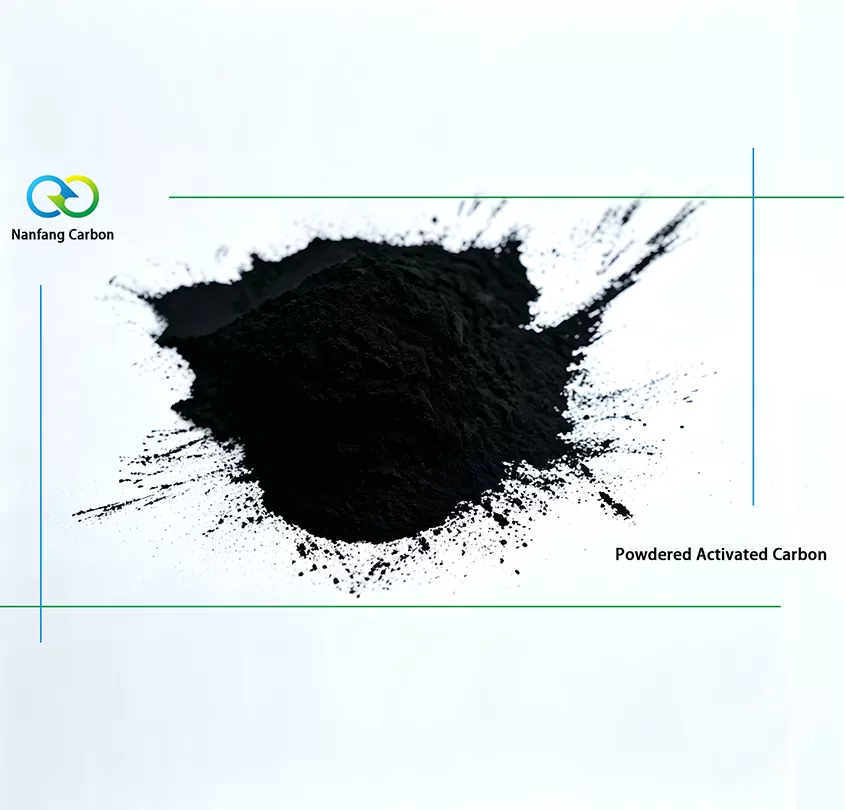
1. Powder Activated Carbon: Fine particle size and fast adsorption speed, mainly used for wastewater COD reduction, decolorization, deodorization and liquid purification in pharmaceutical industry;
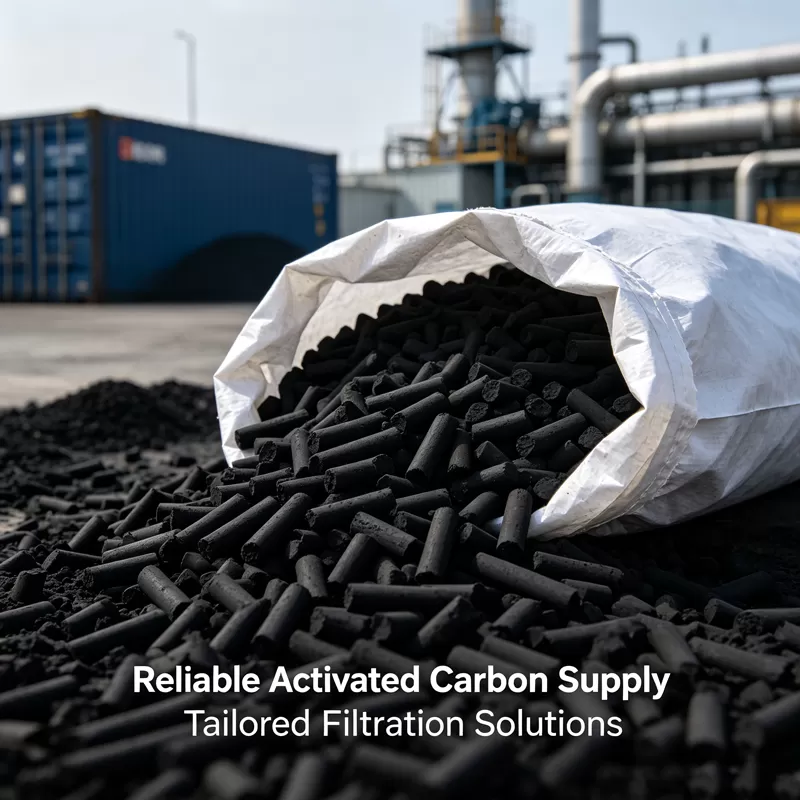
2. Granular/Columnar Activated Carbon: High strength, scour resistance and recyclable, suitable for exhaust gas adsorption, water filtration and solvent recovery;
3. Honeycomb Activated Carbon: Low air resistance, adapted to large-air-volume and low-concentration exhaust gas, applied in spraying, printing and workshop tail gas treatment;
4. Modified Activated Carbon: Optimized pore structure and surface functional groups, specially designed for complex working conditions such as special exhaust gas and heavy metal wastewater.
It traps odors, organic matter, pigments and VOCs through physical adsorption relying on abundant micropores; modified carbon also supports chemical adsorption. It is not permanent. Once the micropores are saturated, the adsorption capacity completely fails and replacement or regeneration is required.
No fixed replacement cycle. It depends on pollutant concentration, air/water flow rate and pre-treatment effect. Household use: 3–6 months; industrial exhaust gas: 1–6 months; industrial water treatment: 1–3 months. Judging criteria: substandard treatment effect, odor rebound, abnormal equipment pressure drop and unqualified discharge detection data.
Sun exposure is only effective for slight household deodorization and invalid for industrial scenarios. It only evaporates surface moisture and shallow odors, but cannot remove adsorbed organic matter, colloids and heavy metals. Saturated carbon for industrial waste gas and water cannot recover performance via sun exposure and is prohibited for standard industrial treatment.
Universal selection is forbidden. The core principle is working condition matching and pore size adaptation. Honeycomb carbon for large-air-volume & low-concentration exhaust gas; granular/columnar carbon for conventional VOCs and solvent recovery; powder carbon for wastewater decolorization and purification; modified carbon for acid-base exhaust gas, heavy metal wastewater and special organic waste gas. Our factory provides professional condition survey and precise selection to avoid unqualified treatment or excessive cost.
Not exactly. The iodine value reflects micropore development and small-molecule adsorption capacity, which is a core but not the only indicator. High iodine value is required for small-molecule VOCs and water purification; methylene blue value is more important for macromolecule decolorization; mechanical strength and low ash content are prioritized for long-term water washing scenarios. Blindly pursuing high iodine value causes cost waste, and low-iodine carbon can also meet standards for matching working conditions.
Iodine value is only a single indicator. The actual effect depends on comprehensive performance: pore structure ratio, ash content, mechanical strength, activation uniformity, raw material quality and acid washing process. Many low-cost products have false iodine value labels, insufficient activation and high ash content, resulting in short-term qualification and rapid failure. All our batches are equipped with quality inspection reports with true and traceable indicators.
Mixing is prohibited. Food-grade carbon has strict control over heavy metals, ash content and soluble impurities, complying with food safety standards for drinking water, syrup and pharmaceutical purification. Industrial-grade carbon has no strict purity requirements and is only used for industrial waste gas and wastewater treatment, forbidden in food, drinking water and medical scenarios.
Standard packaging: 25kg/bag and ton bag. Conventional specifications are in stock with same-day delivery. Custom modified products with special indicators take 3–5 working days. We support full-truck, small-batch and foreign trade orders, and provide customized packaging, qualification certificates and test reports.
Core filling principles: uniform, compact, no voids and no layering to avoid air/water leakage. The standard filling thickness of conventional exhaust adsorption boxes is 200–400mm; tower equipment thickness is calculated accurately according to volume and air flow. Uneven filling causes air short circuit and local premature saturation, leading to overall substandard treatment effect.
Common causes: carbon caking due to moisture, excessive dust, over-compact filling, failed pre-filtration and pipeline blockage. Solutions: dust screening, filling density adjustment, replacement of high-strength carbon and installation of pre-filter devices to prevent excessive pressure drop affecting equipment operation.
Main causes: insufficient mechanical strength, excessive air/water impact, non-standard filling and excessive working humidity. Solutions: replace high-wear-resistant carbon, adjust equipment operating parameters, standardize filling process and install buffer & filtration protection devices.
The problem usually lies in working conditions and equipment rather than carbon quality: 1. Excessive exhaust concentration exceeding equipment load; 2. Equipment air leakage and air short circuit; 3. Excessively high temperature or humidity of exhaust gas; 4. Missing pre-treatment leading to micropore blockage by dust and oil stains; 5. Mismatched pore size and pollutants. Our team provides on-site condition inspection and free process optimization solutions.
Core causes: micropore blockage by suspended solids, biofilm growth, fluctuating inlet water quality, carbon saturation and abnormal pH & water temperature. Backwashing and parameter adjustment can improve the performance temporarily, but carbon replacement is mandatory after complete saturation.
1. Iodine Adsorption Value: Reflects micropore quantity, determines adsorption capacity for small-molecule VOCs and residual chlorine;
2. Methylene Blue Adsorption Value: Reflects mesopore quantity, determines decolorization and macromolecular organic matter removal capacity;
3. Mechanical Strength: Determines scour and breakage resistance, directly affects pulverization rate and service life;
4. Ash Content: Lower ash content means fewer impurities and more stable adsorption capacity; strictly controlled for high-end water purification and food-grade scenarios;
5. Moisture Content: Excessive moisture reduces effective adsorption capacity and increases transportation & usage costs.
We adopt rotary furnace steam activation process with uniform high-temperature activation, reasonable micropore and mesopore matching, stable adsorption performance, high strength and low loss. Insufficient activation leads to poor adsorption capacity; excessive activation causes reduced strength, easy pulverization and low yield. Precise control of activation temperature and time is the core of quality. Steam physical activation produces purer carbon suitable for high-end scenarios compared with chemical activation.
Ordinary carbon has high ash and metal impurity content. Acid-washed carbon undergoes multi-stage acid washing, rinsing and neutralization to greatly reduce ash, iron and heavy metal residues with stable neutral pH value. It is mandatory for drinking water, food & pharmaceutical purification, high-purity water and precision exhaust gas treatment to avoid impurity precipitation and secondary pollution.
Modified carbon adjusts surface functional groups and pore structure through acid-base and load modification to realize targeted adsorption. It solves difficult treatment problems that ordinary carbon cannot handle, such as acid-base exhaust gas, hydrogen sulfide, ammonia, heavy metal wastewater and special chemical VOCs, improving treatment efficiency by more than 30%.
The optimal adsorption temperature is ≤40℃. Higher temperature reduces adsorption efficiency and causes desorption and failure. Excessive humidity occupies micropores with water molecules and causes caking, greatly reducing VOCs adsorption capacity. Pre-treatment devices for cooling and dehumidification are mandatory for high-temperature and high-humidity working conditions.
We strictly implement contract warranty terms. Free return and replacement with full freight compensation for unqualified indicators and batch quality problems. On-site inspection and free process optimization for substandard usage effect. Free replacement and supplementary delivery within 24 hours for transportation damage and shortage, realizing full problem closed-loop management.
We provide full-process technical services: one-on-one online guidance for selection, filling and maintenance; free on-site condition survey, filling guidance, equipment commissioning, process optimization and personnel training for large projects. Exclusive customer condition files are established for long-term follow-up service.
We provide one-stop services including compliant waste carbon recycling, regeneration and hazardous waste disposal. We test the regeneration feasibility of industrial saturated carbon to solve customers' pain points of difficult disposal, non-compliance and high cost, forming a complete industrial chain service.
Free customized samples are available. Each batch is equipped with factory inspection reports, and third-party test reports, enterprise qualifications, production process documents and environmental compliance documents can be provided to meet bidding, acceptance and filing requirements.
Exclusive inventory accounts are established for long-term cooperative customers to monitor surplus and remind replenishment in advance. Emergency production and delivery are launched for sudden environmental rectification, carbon exhaustion and equipment faults to avoid customer production shutdown and emission exceeding risks.
Activated carbon saturated with VOCs, heavy metals and toxic pollutants belongs to hazardous waste. Random discarding and landfilling are prohibited. It must be disposed or regenerated by qualified institutions. We provide compliant disposal files and procedures to assist customers in environmental filing and avoid penalties.
Common industry irregularities: false iodine value labeling, insufficient activation, high ash doping, recycled carbon refurbishment, particle size adulteration and uneven moisture. Low-cost carbon seems qualified temporarily but features rapid saturation, serious pulverization and frequent replacement, resulting in higher comprehensive operating costs and risks of environmental excess and equipment blockage.
The core causes are mismatched selection, missing pre-treatment, non-standard filling, abnormal equipment conditions and lack of regular optimization, rather than carbon quality problems. Our whole-process services including accurate pre-selection, standardized guidance and regular operation optimization effectively extend carbon service life and reduce comprehensive maintenance costs.
Yes. Ordinary carbon cannot meet upgraded ultra-low emission standards due to insufficient adsorption capacity and untargeted adsorption. We provide free process upgrading and product iteration solutions to adapt to new standards. Equipment renovation is not required, and emission compliance can be realized only by carbon upgrading.
Four judgment criteria: 1. Excessive import and export detection data; 2. Rebound of odor and color; 3. Sharp rise or drop of equipment pressure drop (air short circuit or caking exists); 4. Greatly shortened service life under the same working condition. Carbon replacement is required if any criterion is met.
Nature‑Derived, Focused on Purification
Reliable supplier of pharmaceutical chemicals, Nanfang offers high-quality service and products for global partners.
Contact Nanfang >PLEASE CONTACT US
-
Email Us: nkty87740956@163.com
-
Call Us: 400-865-6067
-
Address: Shenzhen, Guangdong, China
.webp)