Bamboo Based Activated Carbon in Precious Metal Recovery: Enhancing Adsorption Efficiency
Mining operators and e-waste refiners face volatile commodity prices, lower ore grades, and mounting environmental scrutiny. Maximizing precious metal recovery while curbing operational costs demands advanced metallurgical reagents. Carbon adsorption remains the most effective recovery technique, but the choice of carbon medium dictates overall plant profitability.
At Nanfang, our technical team works directly with hydrometallurgical plants to upgrade gold, silver, and platinum group metal (PGM) extraction circuits. By engineering high-grade bamboo based activated carbon, we help processing plants boost loading rates and minimize attrition losses. Contact our engineering team today to review your slurry specifications or request custom test samples.
1. Industry Background: Technical Pain Points and Green Transformation
Demand for High-Efficiency Adsorbents in Modern Extraction
Modern gold mining relies heavily on hydrometallurgical extraction from low-grade, refractory, and complex ores. Meanwhile, the rapid accumulation of electronic scrap demands scalable secondary refining solutions. According to data from the U.S. Geological Survey (USGS), global gold exploration increasingly handles refractory ore bodies that require aggressive leaching and precise recovery systems.
Processing plants must capture dilute target ions from harsh cyanide or thiosulfate leachates without collecting competing base metals like copper, nickel, and iron. Any inefficiency at the adsorption stage translates directly to lost revenue in the tailings dam.
Bottlenecks of Traditional Carbon Media
For decades, metallurgical plants have relied on coal-based and coconut shell activated carbons. However, both feedstocks present operational and supply chain liabilities:
- Coal-Based Carbon: Derived from non-renewable fossil sources, coal carbon carries a heavy carbon footprint. It features an erratic pore distribution, higher ash content, and lower mechanical strength, which causes excessive attrition and gold loss in pulp agitation tanks.
- Coconut Shell Carbon: While coconut shell provides high micro-hardness, global supplies suffer from intense price volatility, weather-induced crop shortages, and localized logistics bottlenecks. Furthermore, its ultra-dense microporous structure can limit mass transfer rates when processing viscous slurries.
The Rise of Bamboo Based Activated Carbon
Bamboo based activated carbon has emerged as an industrial-grade alternative that resolves these raw material limitations. Moso bamboo reaches maturity in three to five years, presenting an exceptionally stable, sustainable feedstock compared to slow-growing hardwood or coconut palms.
Thermal activation transforms raw bamboo into a rigid, highly porous carbon matrix. The resulting adsorbent combines the mechanical durability required for heavy agitation with an optimized pore network that outperforms conventional media in dynamic adsorption circuits.
2. Core Mechanisms: Why Bamboo Based Activated Carbon Delivers Superior Adsorption
Unique Pore Architecture: Micro- and Mesopore Synergy
Precious metal recovery demands more than just a large total surface area (BET). It requires an accessible pore network. Coconut carbon relies predominantly on micropores (under 2 nm), which can slow the diffusion of bulky hydrated metal complexes.
Bamboo exhibits natural vascular bundles that survive thermal carbonization. This raw structure develops into a hierarchical pore system featuring high microporosity supported by an interconnected mesoporous network (2 nm to 50 nm). The mesopores serve as high-speed transport highways, allowing precious metal ions to migrate deep into the inner micropores without diffusion bottlenecks.
Surface Chemistry and Precious Metal Affinity
In gold cyanidation, the target species is primarily the linear aurocyanide anion, [Au(CN)2]-. The recovery of this complex depends heavily on electrostatic attraction, surface basicity, and coordination reactions within the carbon pore walls.
Engineered bamboo based activated carbon carries balanced surface functional groups, including lactonic, phenolic, and basic pyrone-like structures. Precise thermal activation reduces detrimental oxygen-containing acidic groups on the surface, which enhances the non-polar affinity toward gold cyanide and silver dicyanide complexes.
Accelerated Adsorption Kinetics
Adsorption kinetics dictate how quickly carbon reaches its equilibrium loading capacity. In high-throughput operations, slow kinetics force plants to add more carbon inventory or extend residence times, driving up capital expenses.
Scientific evaluations published in Hydrometallurgy confirm that carbons with balanced transport channels demonstrate significantly faster initial adsorption rates (R-values). Bamboo based activated carbon loads precious metal complexes rapidly within the first 2 to 4 hours of contact, shortening required residence cycles in continuous circuit tanks.
3. Industrial Application Scenarios
Gold Mining Circuits: CIP, CIL, and CIC
Bamboo based activated carbon integrates smoothly into standard gold recovery circuits:
- Carbon-in-Pulp (CIP): In post-leach adsorption trains, the high kinetic rate of bamboo carbon quickly scavenges dissolved gold from clear slurries, maintaining low barren solution values.
- Carbon-in-Leach (CIL): In circuits where leaching and adsorption occur simultaneously, bamboo carbon resists organic fouling from flotation reagents while outcompeting naturally occurring preg-robbing carbonaceous matter in the ore.
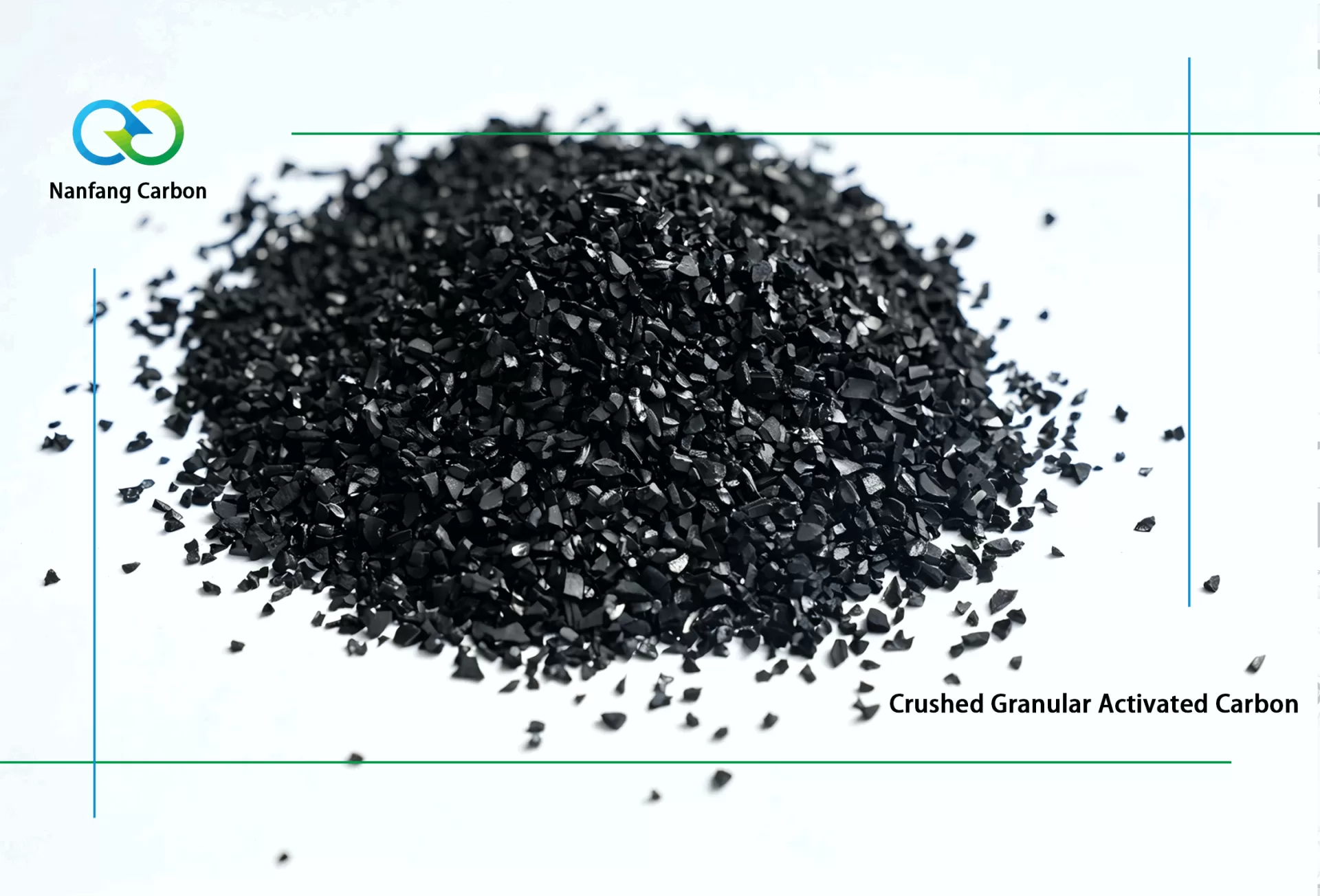
- Carbon-in-Column (CIC): For heap leach operations, granular bamboo carbon packs uniformly into fixed or fluidized bed columns, maintaining high hydraulic conductivity without bed compaction.
E-Waste Recycling and Precious Metal Scavenging
Recycling printed circuit boards (PCBs) and industrial catalysts yields complex leach solutions containing gold, silver, palladium, and platinum alongside massive concentrations of copper and tin. Bamboo based activated carbon allows hydrometallurgists to tune process conditions to selectively extract gold and PGMs over base metals, optimizing subsequent stripping and electrowinning steps.
Industrial Effluent and Waste Treatment
Electroplating, jewelry manufacturing, and semiconductor rinsing streams contain trace quantities of dissolved precious metals. Treating these effluents with bamboo based activated carbon recovers valuable metals while ensuring that plant discharge complies with strict environmental standards.
4. Competitive Advantages: Bamboo vs. Coconut Shell vs. Coal
Selecting the correct carbon requires balancing loading kinetics, physical durability, stripping efficiency, and total lifecycle costs. Nanfang controls the thermal processing of natural bamboo to ensure its performance matches or exceeds traditional materials across all primary operational metrics.
| Performance Metric | Bamboo Based Activated Carbon | Coconut Shell Carbon | Coal-Based Carbon |
|---|---|---|---|
| Pore Distribution | Balanced Microporous / Mesoporous | Predominantly Microporous | Broad, Uncontrolled Pores |
| Adsorption Rate (Kinetics) | Very Fast (1.5–2.5x vs Coconut) | Moderate to Slow | Moderate |
| Mechanical Hardness | High (97% - 99%) | Very High (98% - 99.5%) | Moderate (90% - 94%) |
| Gold Loading Capacity | 25 - 40 kg Au/t | 20 - 35 kg Au/t | 15 - 25 kg Au/t |
| Attrition Resistance | Excellent | Outstanding | Poor to Moderate |
| Regeneration Efficiency | High Thermal Stability | Good Thermal Stability | Degrades after Cycles |
| Carbon Footprint / ESG | Carbon Negative Potential | Low Carbon | Very High Fossil Carbon |
Mechanical Strength and Attrition Resistance
Carbon attrition creates minute carbon fines that carry bound gold directly into the tailings stream. Plant metallurgists track carbon hardness rigorously to prevent these operational losses.
High-temperature steam activation generates dense, thick-walled carbon granules from bamboo culms. Nanfang grades every batch to maintain a ball-pan hardness rating above 97.5%, ensuring minimal breakdown under aggressive impellor agitation in pulp tanks.
Reactivation and Operational Lifespan
After stripping the adsorbed precious metals with hot caustic cyanide elution (Zadra or AARL processes), plants regenerate spent carbon in rotary kilns at 650°C to 750°C. Bamboo based activated carbon handles thermal shock and repeated steam reactivation cycles with minimal loss of internal surface area.
Carbon Neutrality and ESG Compliance
Mining companies must report Scope 1, 2, and 3 emissions to maintain institutional investment and regulatory approvals. Bamboo plantations capture massive amounts of carbon dioxide while regenerating from harvested root systems without replanting. Switching from coal-based carbon to bamboo based activated carbon eliminates fossil-origin emissions from consumable processing reagents.
5. Optimizing Process Parameters for Maximum Recovery
Surface Modification and Activation Methods
Activation techniques control the final pore architecture. Steam activation at high temperatures (850°C to 950°C) cleanses volatile matter and expands the internal pore volume, creating an optimal surface for aurocyanide adsorption.
For specialized recycling circuits handling complex liquors, post-activation acid washing strips residual ash elements (silica, calcium, iron). This leaves clean adsorption sites and prevents inorganic scaling from reducing loading capacity.
Managing Circuit Variables for Peak Yields
Metallurgists can tune plant conditions to gain maximum performance from bamboo carbon:
- Pulp pH: Maintain cyanidation circuits between pH 10.0 and 10.5. Values below 9.5 risk generating hazardous HCN gas, while values above 11 introduce excessive hydroxyl ions that compete for carbon adsorption sites.
- Carbon Concentration: Run CIP/CIL tanks with carbon concentrations between 12 and 25 grams of carbon per liter of pulp, depending on pulp density and gold grade.
- Elution Efficiency: Bamboo carbon strips cleanly under standard Zadra or AARL conditions, reaching low barren levels (below 50 g Au/t) that maximize recycling efficiency.
6. Economic Value and Plant ROI
A metallurgical plant's operational success relies on cost-per-ounce metrics. Selecting activated carbon based solely on lowest initial purchase price usually backfires when fragile carbons break down into tailings or show sluggish kinetics.
Adopting bamboo based activated carbon delivers a quantifiable return on investment:
- Reduced Gold Lockup: Faster kinetics reduce the inventory of dissolved gold circulating through pulp tanks at any given moment.
- Lower Make-Up Requirements: Strong attrition resistance reduces daily fresh carbon consumption, lowering freight, handling, and reagent expenses.
- Consistent Supply: Bamboo's fast harvest cycles decouple operations from the supply shortages common to the coconut shell sector.
Nanfang manufactures premium bamboo based activated carbon customized to the rigorous demands of mining and refining plants worldwide. Our material meets stringent screening, hardness, and pore distribution specifications to protect your bottom line.
Ready to improve recovery yields in your recovery circuit? Contact Nanfang's technical support team to discuss your technical parameters, request technical data sheets, and order lab-testing samples.
Frequently Asked Questions (FAQ)
Q1: Can bamboo based activated carbon directly replace coconut shell carbon in existing CIP/CIL tanks?
A1: Yes. Bamboo based activated carbon functions as a direct, drop-in replacement. It shares a similar bulk density (0.45 to 0.55 g/cm³) and fits standard interstage carbon screen sizes (such as 6x12 mesh or 8x16 mesh) without requiring engineering modifications to your plant.
Q2: How does the attrition resistance of bamboo carbon compare to premium coconut shell carbon?
A2: Top-tier bamboo carbon matches coconut shell closely, achieving ball-pan hardness ratings of 97% to 99%. While coconut carbon remains slightly harder in pure laboratory settings, bamboo carbon's thick-walled vascular structure resists shearing forces under standard agitation speeds.
Q3: Does bamboo based activated carbon strip and elute gold cleanly?
A3: Yes. In standard elution circuits (AARL or Zadra) operating at 110°C to 150°C, bamboo carbon's open mesopore network allows rapid desorption of aurocyanide complexes, typically dropping barren carbon grades below 50 g/t faster than micropore-dense media.
Q4: Why does bamboo carbon demonstrate faster adsorption kinetics than standard media?
A4: Bamboo contains natural cellular conduits that transform into wide mesopores during thermal activation. These transport channels let metal-bearing cyanide complexes reach deep adsorption sites quickly, bypassing the diffusion restrictions common to tightly packed microporous carbons.
Q5: Is bamboo based activated carbon suitable for acidic, non-cyanide leaching systems?
A5: Yes. Acid-washed bamboo carbon performs reliably across acidic chloride, thiourea, and thiosulfate systems. Its chemical resilience prevents degradation, making it suitable for precious metal recovery in both primary mining and hydrometallurgical e-waste operations.