Block Activated Carbon Sourcing Guide (2026): Key Factors Global Manufacturers Must Know
Procurement teams facing 2026 regulatory deadlines must re-evaluate their filtration supply chains now. Stricter global drinking water mandates, particularly regarding persistent synthetic chemicals, place higher demands on carbon media integrity. Choosing the wrong filtration component can trigger system recalls, high pressure drops, and catastrophic bypass failures.
High-grade block activated carbon remains the gold standard for modern water and process fluid purification. As an established technical partner, Nanfang works alongside global OEMs to refine raw material selection and production precision. If you are designing next-generation residential filtration systems or scaling municipal purification skids, submit an inquiry today to request technical data sheets and engineering test samples.
1. What is Block Activated Carbon & Why It Dominates Modern Filtration
Purification engineers classify active carbon media by structure and fluid dynamics. While early filtration systems relied on granular media, advanced industrial and consumer platforms have shifted to solid carbon blocks.
1.1 Operating Principles: From GAC to High-Density Carbon Blocks
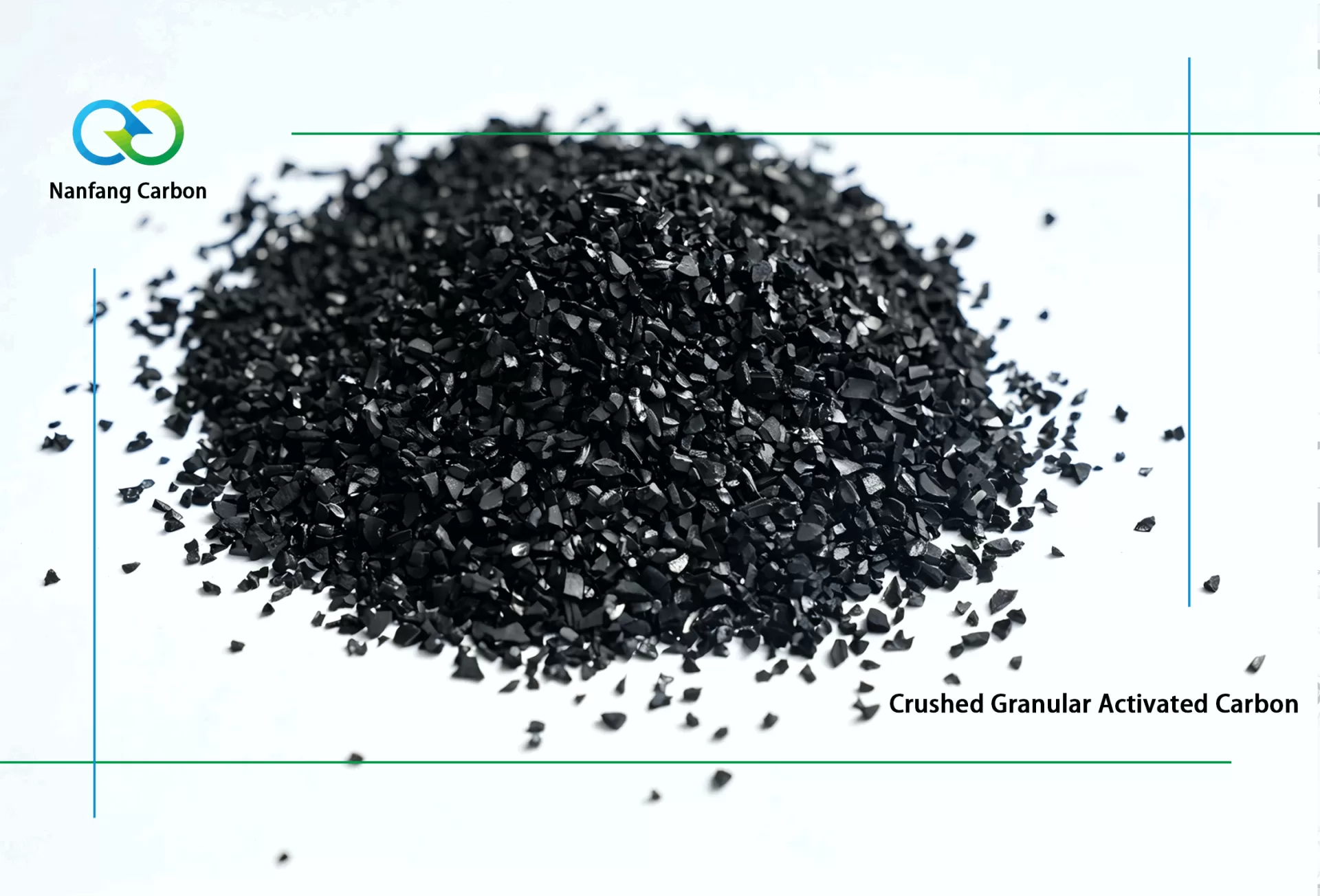
Granular Activated Carbon (GAC) utilizes loose granules to adsorb impurities. However, loose beds are susceptible to fluidization, where water creates preferential pathways or channels. Channeling allows untreated water to bypass adsorption sites completely.
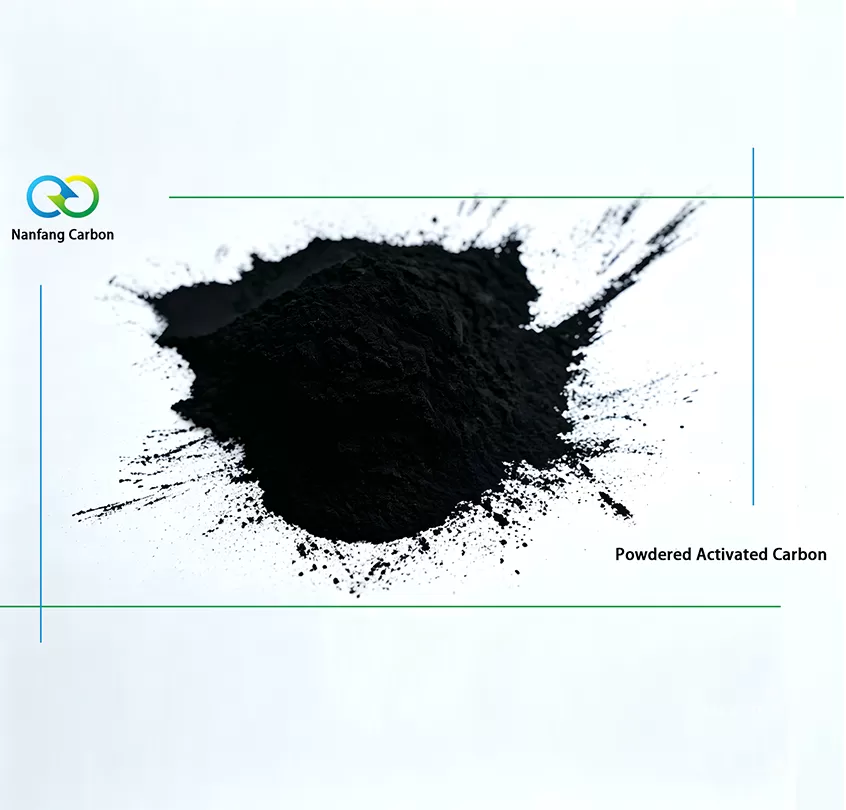
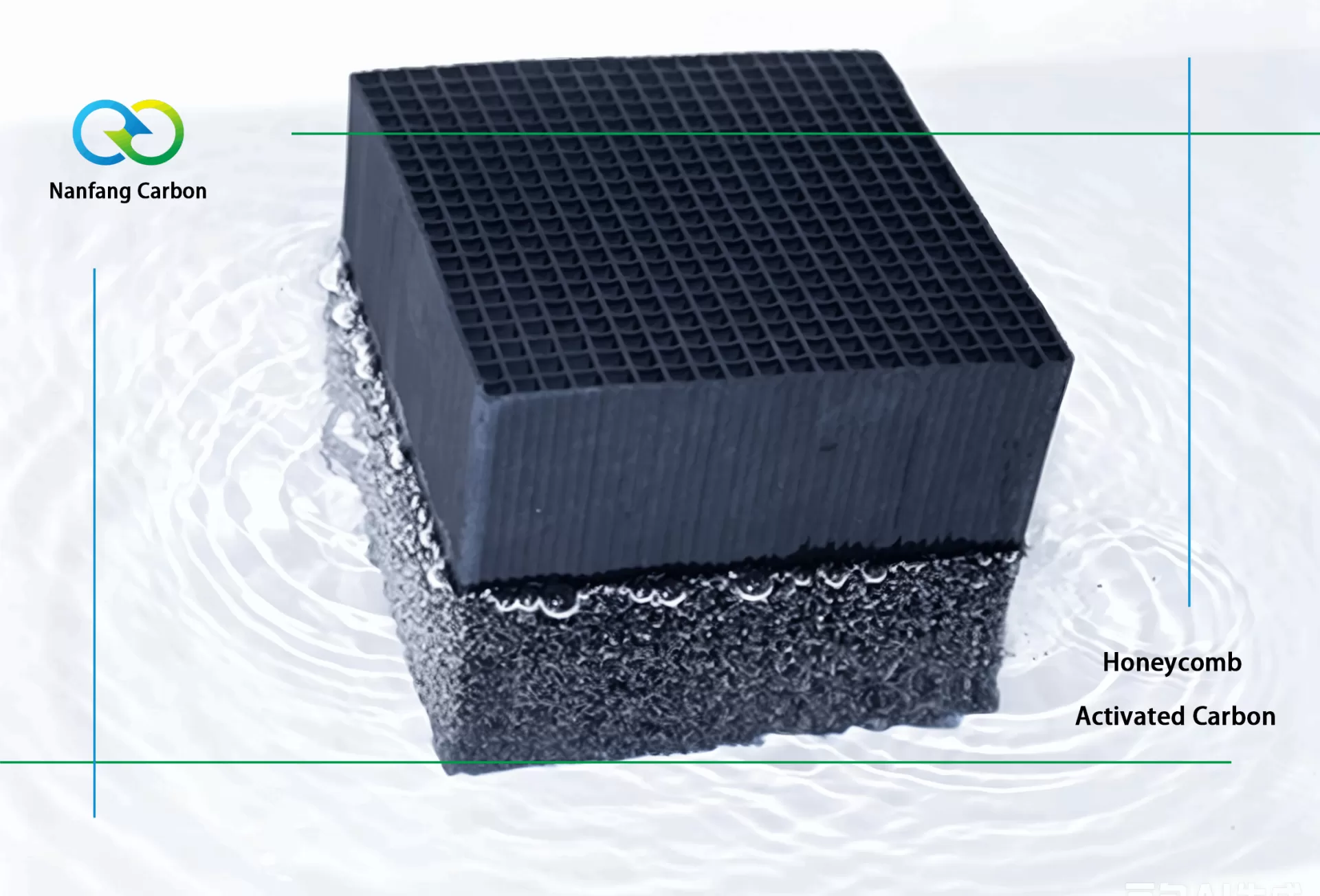
In contrast, block activated carbon fuses finely powdered activated carbon (PAC) with thermoplastic binders under heat and pressure. This creates a uniform, rigid porous matrix. Every milliliter of fluid must pass through a tortuous path of microscopic pores, eliminating the risk of internal channeling.
1.2 Core Filtration Advantages
The consolidated structure of an activated carbon block filter delivers measurable performance improvements over loose-fill solutions:
- Zero Fluid Channeling: The rigid core forces consistent fluid distribution across the entire surface area.
- Integrated Particulate Capture: The matrix acts as both a chemical adsorber and a physical sediment filter, capturing suspended solids without requiring a separate pre-filter in select designs.
- Optimized Contact Time: Despite compact dimensions, the dense pathway maximizes Empty Bed Contact Time (EBCT), enabling rapid adsorption of chlorine, volatile organic compounds (VOCs), and taste compounds.
- Virtually No Carbon Fines: Unlike GAC beds that release black dust upon startup, structurally sound carbon blocks release minimal particulate wash-off.
1.3 Target Sectors for 2026
Municipal infrastructure upgrades and industrial wastewater reclamation drive significant demand for these components. In point-of-use (POU) and point-of-entry (POE) water appliances, the CTO carbon block serves as the core workhorse. Critical applications expand beyond domestic water into clinical fluid processing, beverage production, and specialized closed-loop air scrubbers requiring volatile gas abatement.
2. Extruded vs. Molded: Choosing the Right Manufacturing Process
The manufacturing method dictates pore structure, mechanical strength, and production economics. Global procurement specialists must align the forming method with application requirements.
2.1 Extruded Carbon Blocks: Cost Efficiency & Continuous Production
Extrusion involves mixing carbon powder with a binder, heating the compound, and forcing it continuously through a die using a screw mechanism. The continuous profile is then cut to standard lengths, such as 10-inch or 20-inch cylinders.
Extruded blocks offer unmatched economies of scale for standard dimensions. They provide uniform radial flow and reliable chlorine reduction in high-volume municipal tap water conditions. However, the shear stresses of extrusion can partially compress macro-pores, making sub-micron filtration harder to control without increasing hydraulic resistance.
2.2 Molded/Sintered Blocks: Pore Uniformity & Custom Geometries
Compression molding, or sintering, uses individual molds. Operators fill a mold cavity with carbon-binder blends, compress the mix under specific pressure, and heat it in a controlled cycle. The binder particles soften and fuse the carbon grains without extensive shear force.
Molded blocks allow for complex geometry, including internal threads, non-cylindrical shapes, and integrated endcaps. Crucially, sintering preserves complex interstitial pore structures. This makes molded blocks the preferred configuration for high-precision 0.5-micron rating targets and cyst interception.
2.3 Manufacturing Comparison Matrix
| Evaluation Parameter | Extruded Carbon Block | Molded / Sintered Carbon Block |
|---|---|---|
| Pore Size Range | Typically 5.0 to 10.0 Micron | 0.5 to 5.0 Micron (Sub-micron capable) |
| Production Speed | High (Continuous extrusion) | Batch-dependent (Mold cycle times) |
| Tooling Investment | Low (Standard diameters) | Moderate to High (Per-cavity molds) |
| Form Flexibility | Strictly cylindrical profiles | Complex profiles, custom endcaps, flat discs |
| Pressure Drop (Delta P) | Low to Moderate | Engineered to application specifications |
3. Critical Technical Specifications Global Buyers Must Evaluate
Procurement teams must audit physical, chemical, and fluid performance data before qualifying a supplier. Avoid purchasing on dimensional specifications alone.
3.1 Raw Material Base: Coconut Shell vs. Coal-Based
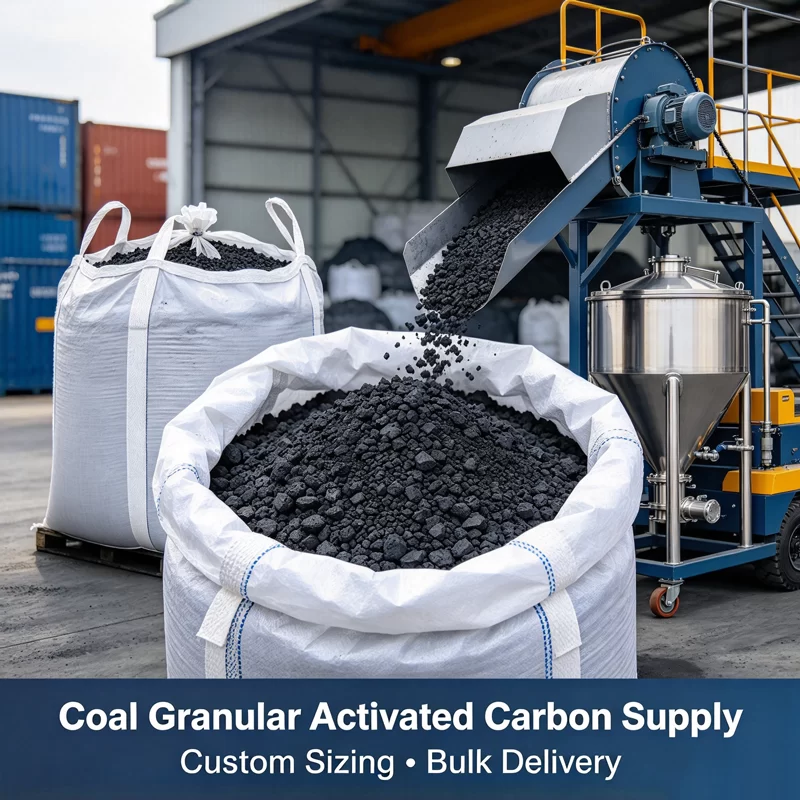
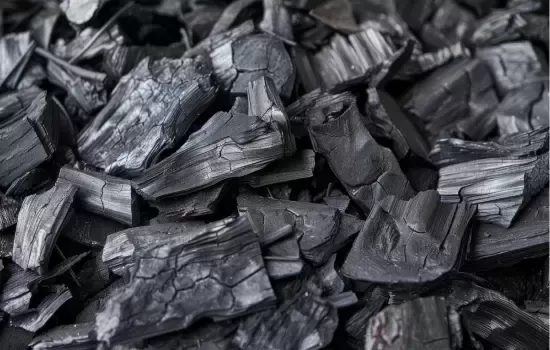
The precursor material determines the internal pore geometry. Coal-based carbon contains a high proportion of mesopores and macropores, useful for removing larger organic molecules and wastewater dyes. However, it typically contains higher acid-soluble ash contents.
For fine chemical adsorption and drinking water processing, coconut shell carbon block formulations are the industry standard. Coconut shell carbon features high microporosity (pores smaller than 2 nanometers). This provides the targeted surface area needed to capture trace organic chemicals, trihalomethanes (THMs), and chlorine disinfection byproducts.
3.2 Chemical Performance Metrics
Review the manufacturer's batch testing certificates for these fundamental chemical indicators:
- Iodine Number: Must meet or exceed 1,000 mg/g to ensure sufficient micropore activation. Premium blocks range from 1,100 to 1,200 mg/g.
- Carbon Tetrachloride (CTC) or Butane Activity: Validates gas-phase and organic vapor adsorption capacity.
- Ash Content: Keep raw ash content under 3% to 5%. High ash levels degrade structural integrity and can leach undesirable minerals into pristine water systems.
- Acid Washing / Rinse Controls: High-grade blocks undergo acid washing followed by deionized rinses to minimize heavy metal leaching (such as arsenic, lead, or aluminum).
3.3 Hydrodynamic Properties
An improperly balanced carbon matrix restricts system throughput. Balance your nominal micron rating for carbon block cartridges against the operating pressure of the target unit.
A true 0.5-micron block targets cysts and microplastics, but it introduces a higher initial pressure drop (ΔP). If your system relies on low-pressure gravity or direct tap pressures under 30 PSI, engineer the formula toward a 5-micron or 10-micron porosity. Ensure the burst pressure ratings exceed standard operating surges by a safety factor of three.
4. The 2026 Sourcing Frontier: Regulatory Compliance & Emerging Contaminants
Global regulations are shifting compliance baselines. Sourcing strategies built around legacy standards will face commercial roadblocks by 2026.
4.1 PFAS, PFOA/PFOS, and Microplastics Interception
Environmental protection bodies worldwide have established near-zero limits for per- and polyfluoroalkyl substances (PFAS) in drinking water. Because short-chain and long-chain PFAS resist conventional degradation, standard carbon media often show rapid breakthrough.
Manufacturers now engineer specialty PFAS removal carbon block units. These incorporate functionalized binders, specialized surface charges, or blended synthetic adsorbents within the carbon matrix. Procuring standard CTO blocks for PFAS abatement invites liability; ensure your partner validates PFAS capacity via dynamic breakthrough curves.
4.2 Certification Hurdles
Selling filtration devices internationally requires third-party testing credentials. Specify compliance requirements early in the RFQ process:
- NSF/ANSI Standard 42: Covers aesthetic effects, specifically chlorine reduction, taste, odor, and particulate class I-V.
- NSF/ANSI Standard 53: Regulates health claims, including lead, volatile organic compounds, cysts, and PFAS abatement.
- NSF/ANSI Standard 58: Applicable if your block serves as a pre- or post-treatment stage in reverse osmosis units.
- WRAS, REACH, and RoHS: Mandatory for UK and European markets to verify non-leaching of toxic processing aids.
4.3 Green Supply Chains: Carbon Accounting & Non-Toxic Binders
Corporate sustainability reporting directives require Tier 1 and Tier 2 suppliers to verify their emissions. Leading OEM carbon block manufacturer options, including Nanfang, utilize ultra-clean binders such as ultra-high-molecular-weight polyethylene (UHMWPE) that avoid secondary degassing. Low-carbon activation furnaces, raw material waste recovery, and certified origin chains ensure your end product complies with Scope 3 emissions reporting.
5. How to Audit and Select a Reliable Block Activated Carbon Supplier
Consistent filtration requires strict process control. A single uncalibrated temperature zone in an extrusion barrel can fuse pores, rendering a batch useless.
5.1 OEM/ODM Customization Capabilities
High-tier suppliers do not merely sell off-the-shelf cartridges. Assess whether the manufacturer can modify the formulation to your exact operating parameters:
- Custom outer and inner diameters to fit proprietary housings.
- Integration of specialized media (such as silver impregnation for bacteriostatic properties, or ion-exchange resins for lead and heavy metal capture).
- Thermal bonding of outer pre-filtration wraps (polypropylene spunbond netting) to prevent surface blinding from sediment.
5.2 Quality Assurance Protocols
During an on-site or virtual factory audit, inspect the quality control laboratory. A capable manufacturer tests raw materials and finished goods on dedicated equipment:
- Fines Shedding Analysis: Measuring total suspended solids in the effluent during the first ten minutes of flushing.
- Differential Pressure Testing: Verifying flow rate curves against clean water standards across multi-cavity batches.
- Integrity Testing: Evaluating structural burst and tensile resistance to prevent collapse under water hammer conditions.
5.3 Supply Chain Resilience
Raw coconut shell prices fluctuate based on seasonal harvests and regional agricultural yields. Audit your supplier's raw media inventory policies. Reliable partners maintain strategic reserves of base carbon to buffer against pricing volatility, ensuring stable production runs through 2026.
6. Total Cost of Ownership (TCO): Beyond the Unit Price
Calculating the true cost of a carbon block filter cartridge goes beyond the initial invoice price. Inferior components create compounding costs down the line.
A cheaper block using low-grade binder chemistry often shows uneven porosity. This defect causes rapid clogging, dropping user flow rates after hundreds of gallons instead of thousands. The resulting warranty claims and brand degradation outweigh initial savings.
Furthermore, consider shipping logistics. Carbon blocks are brittle structures prone to handling shock. Evaluate the supplier's packaging: individual shrink wrapping, protective bubble layers, corrugated cell dividers, and reinforced palletizing protect against micro-fissures during international freight transit.
7. Frequently Asked Questions (FAQ)
Q1: What is the core functional difference between GAC and block
activated carbon?
A1: GAC uses loose, packed carbon granules, which
can shift under pressure and create bypass channels where water avoids the
carbon. Carbon blocks compress micro-powdered carbon with a binder into a solid
matrix. This structure eliminates channeling, provides uniform contact time, and
filters fine sediment alongside chemical contaminants.
Q2: How do engineers prevent excessive pressure drop in tight
micron-rated blocks?
A2: Minimizing pressure drop requires precise
particle size distribution (PSD) of the powdered carbon, paired with
clean-melting binders like UHMWPE. Using optimized particle sizing preserves
open flow paths while maintaining high surface area contact, keeping fluid
resistance low even at tighter micron ratings.
Q3: What is the shelf life and proper storage condition for unused
carbon blocks?
A3: Sealed in airtight, vapor-barrier wrapping, an
unused block can be stored for up to five years. Store units in dry,
temperature-controlled warehouses away from volatile chemical fumes, organic
solvents, or diesel exhaust, as active carbon will adsorb atmospheric vapors
over time.
Q4: Why does a carbon block filter require initial flushing before
use?
A4: Initial flushing clears out trapped air pockets and loose
micro-fines generated by friction during shipping. Flushing also wets out the
binder matrix, stabilizing adsorption rates and restoring full flow
dynamics.
Q5: Can standard carbon blocks remove dissolved fluoride and heavy
metals?
A5: Standard pure coconut shell blocks possess limited
natural adsorption capacity for dissolved heavy metals like lead or ionic
fluoride. To address these targets, manufacturers add specialized media—such as
activated alumina, bone char, or synthetic ion-exchange compounds—directly into
the block blend.
Conclusion & Sourcing Checklist
Procuring filtration media for 2026 requires balancing hydraulic efficiency, chemical capacity, and strict regulatory compliance. Cutting corners on basic CTO components risks performance failures in the field.
2026 Procurement Checklist:
- Raw material: Acid-washed, high-micropore coconut shell base (Iodine ≥ 1,000 mg/g).
- Manufacturing: Validated molding or extrusion with zero binder blinding.
- Pore structure: Precise micron ratings calibrated to target contaminants without choking flow.
- Emerging threats: Independent data proving PFAS and trace chemical reduction where claimed.
- Compliance: Certifications aligned with NSF/ANSI, WRAS, and relevant national standards.
Nanfang manufactures high-precision block activated carbon solutions for commercial and residential purification systems worldwide. Contact our engineering team today to request custom OEM quotes, discuss bespoke pore tailoring, or order production samples for your test skids.