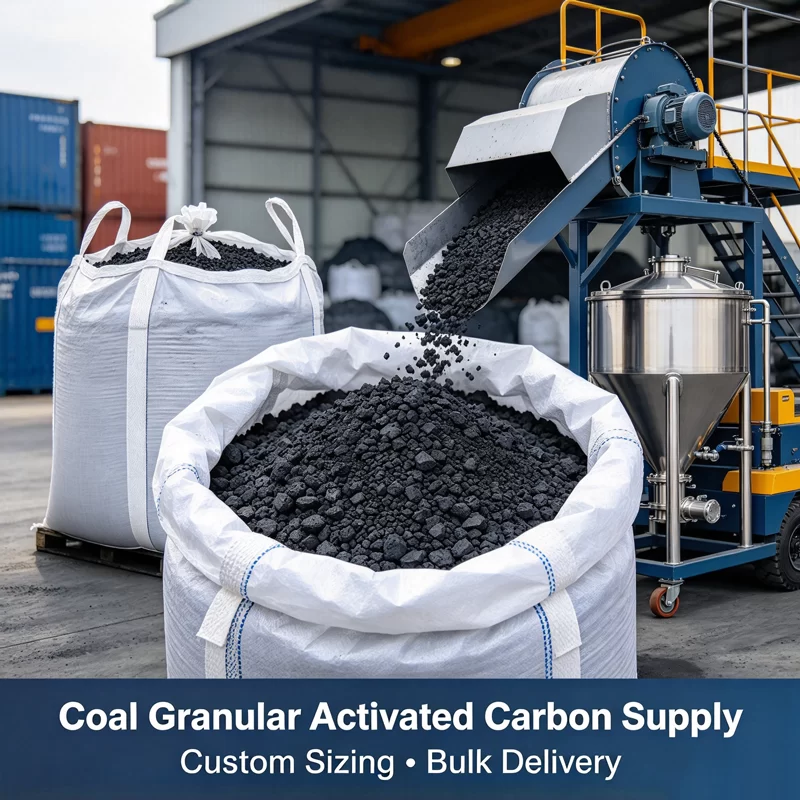
Top 10 Coal-Based Activated Carbon Manufacturers in the World [ 2026 Guide ]
Procuring industrial-grade filtration media has grown increasingly complex. Municipal water authorities, EPC contractors, and chemical plants face fluctuating raw material quality, shifting export regulations, and tightening environmental rules. Selecting the right partners among global coal based activated carbon manufacturers determines whether your filtration beds run smoothly or clog under excessive fines and inconsistent adsorption.
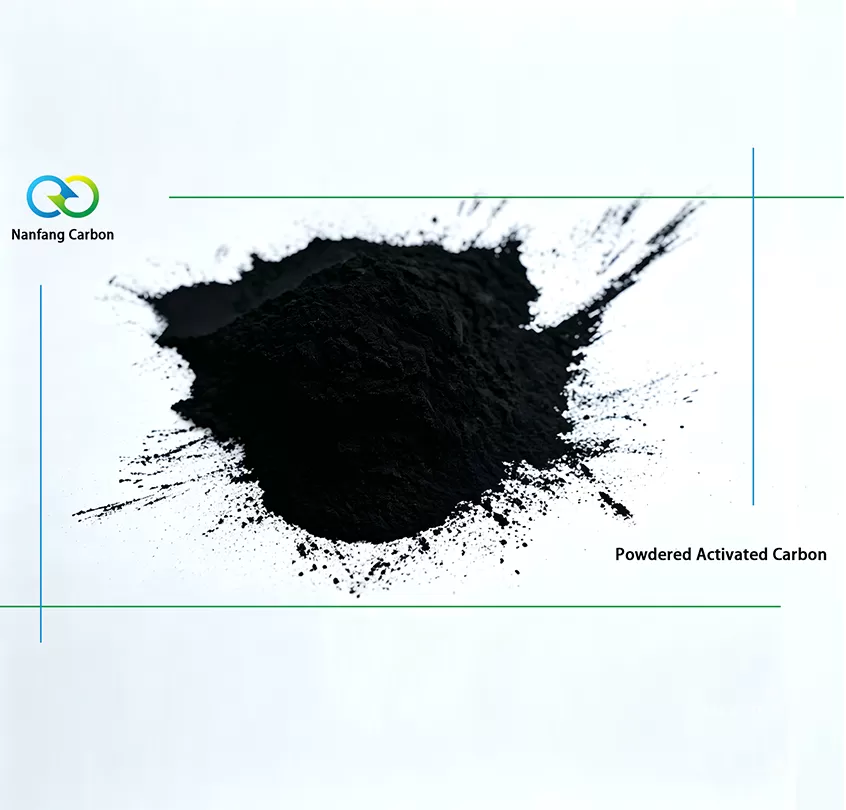
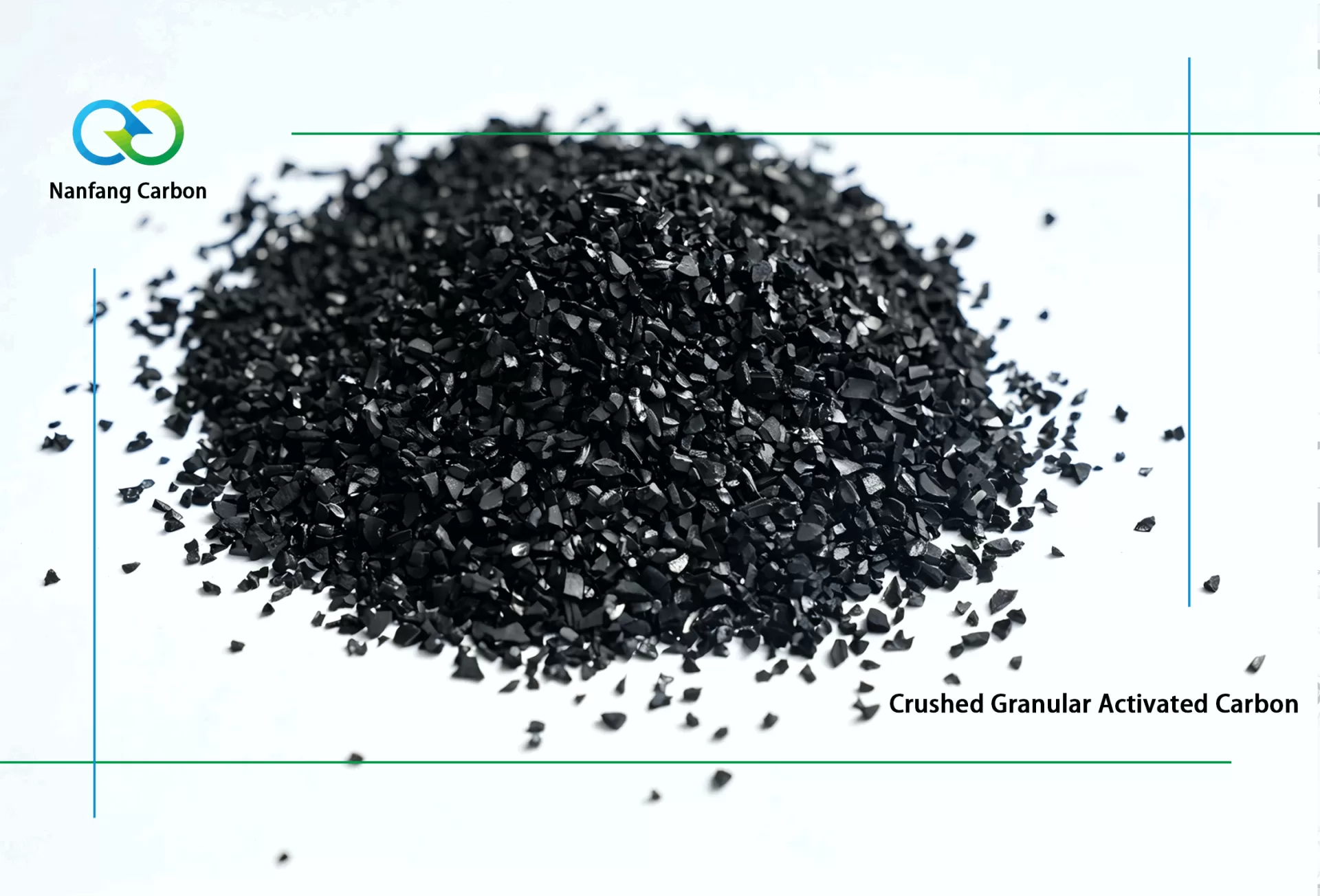
Whether you need high-CTC extruded pellets for solvent recovery or high-iodine bituminous coal-based granular activated carbon (GAC) for municipal wastewater treatment, finding verified producers with integrated supply chains is critical. Direct manufacturers like Nanfang Activated Carbon and established international names continue to anchor the market with high-volume production and tight quality control.
If you are planning your purchasing contracts for 2026, evaluate your suppliers before committing capital. Contact reputable manufacturers early to request technical data sheets, pilot test samples, and plant inspection audits.
Evaluation Criteria: How We Assess Top Manufacturers
Not every processing facility can handle demanding gas-phase and liquid-phase applications. To rank the leading coal based activated carbon manufacturers for 2026, we applied four core operational benchmarks:
- Raw Coal Sourcing and Direct Control: Access to premium feedstock dictates final performance. Top manufacturers maintain long-term reserves of low-ash, low-sulfur anthracite (such as Ningxia Taixi anthracite) or specific North China bituminous coal beds. Direct coal access shields buyers from sudden cost spikes.
- Manufacturing Infrastructure and Annual Capacity: We evaluated furnace technology, prioritizing plants equipped with advanced Slep (vertical multi-hearth) furnaces, computerized rotary kilns, and multi-stage activation lines that deliver consistent dwell times and uniform heating.
- Pore Structure Engineering: Adsorption requires tailored pore networks. Leading manufacturers can customize the distribution of micropores (under 2 nm) for volatile gases, mesopores (2 to 50 nm) for organic color bodies, and macropores (over 50 nm) for swift liquid transport.
- Quality Assurance and Global Compliance: We reviewed adherence to ASTM, GB/T, AWWA, and NSF/ANSI 61 standards. Verified producers test every single batch for iodine number, CTC activity, abrasion resistance, moisture, and bulk density.
Top 10 Coal-Based Activated Carbon Manufacturers
1. Calgon Carbon Corporation (Kuraray Group - USA / Japan)
Calgon Carbon remains an industry benchmark, particularly across the Americas and Europe. Now operating as a cornerstone of the Kuraray Group, the company focuses on virgin bituminous coal carbon manufacturer operations and large-scale spent carbon reactivation.
Their coal-based granular activated carbon (GAC) series dominates municipal drinking water purification, industrial remediation, and PFAS removal projects. Calgon operates integrated reactivation centers worldwide, providing full-cycle carbon management for public works and environmental remediation projects.
2. Cabot Norit (USA / Netherlands)
With more than a century of processing experience, Cabot Norit supplies highly engineered carbon formulations for demanding liquid purification tasks. Their bituminous and lignite-based grades serve petrochemical refiners, pharmaceutical processors, and food and beverage producers.
Norit stands out for its narrow pore distribution control and specialized acid-washed coal carbons. These products keep leachable ash and heavy metal residues low, which helps prevent unwanted pH spikes during downstream water processing.
3. Jacobi Carbons (Sweden / Osaka Gas Chemicals)
Jacobi Carbons manages an extensive international distribution network supported by parent company Osaka Gas Chemicals. While well known for coconut shell media, Jacobi also maintains an extensive line of coal-based products under its ColorSorb and EcoSorb banners.
The company provides extruded pellet activated carbon and granular products designed for flue gas desulfurization (FGD), biogas purification, and municipal wastewater treatment. Their technical services team assists industrial buyers with bed-life modeling and vessel changeout designs.
4. Nanfang Activated Carbon / Liyang Nanfang (China)
Founded in 1999, Liyang Nanfang Activated Carbon has developed into a premier Chinese direct manufacturing partner for global engineering firms and regional distributors. Unlike export brokers who trade on spot markets, Nanfang runs a closed-loop production structure across three specialized factory locations.
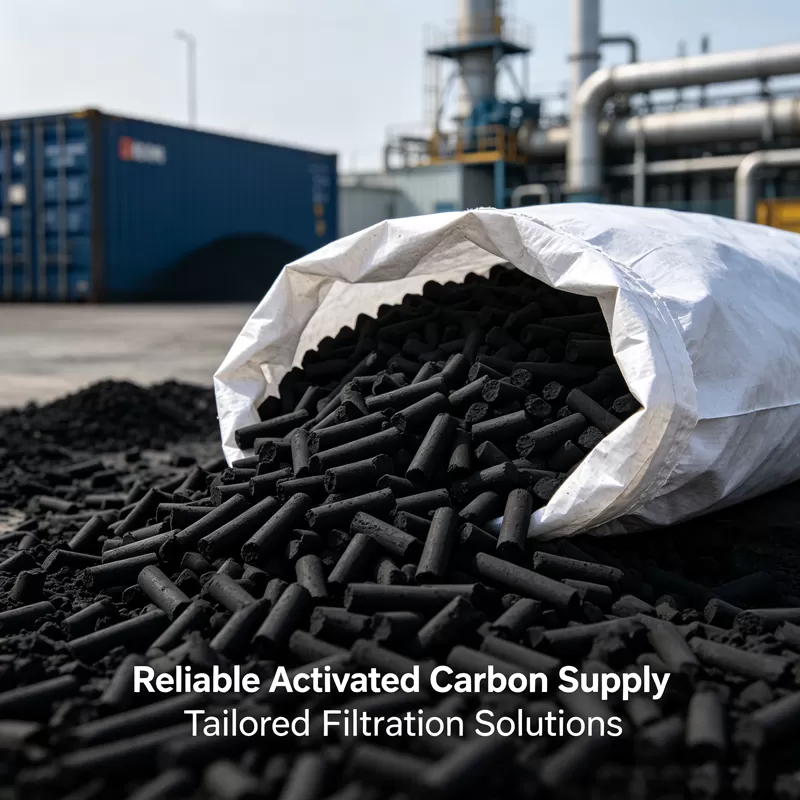
The company excels as an extruded pellet activated carbon factory, producing column media from 1.5mm to 8.0mm diameter, alongside custom coal-based GAC and PAC grades. Nanfang provides fully traceable batch documentation, custom acid-washing, and precise pore sizing for international clients seeking direct mill-pricing without performance compromises.
5. Ingevity (USA)
Ingevity focuses on specialized automotive and high-end industrial recovery applications. The company is a key producer of pelletized coal-based materials engineered for automotive evaporative emission control systems (canisters).
Their proprietary extrusion and activation technologies yield pellets with exceptional mechanical integrity, minimal dust, and steep butane working capacity (BWC) curves. If your operation requires rugged pellets that withstand violent engine vibrations and rapid desorption cycles, Ingevity remains an established specialist.
6. Donau Carbon (Germany)
Headquartered in Frankfurt, Donau Carbon serves the European environmental cleanup, VOC recovery, and solvent separation sectors. The company balances raw material sourcing with custom-engineered coal grades developed for gas scrubbing and deep bed industrial air treatment.
Donau Carbon provides turnkey adsorption systems alongside its media, supplying mobile adsorber units, on-site changeout technicians, and regional spent-carbon thermal reactivation services tailored to European waste directives.
7. Kuraray Co., Ltd. (Japan)
Apart from its Calgon Carbon subsidiary, Kuraray manages proprietary carbon materials divisions in Japan and across Asia. Their focus centers on ultra-pure coal carbon products designed for electronic cleanrooms, semiconductor ultrapure water polishing, and chemical catalyst carrier tasks.
Kuraray applies tight clean-room packaging and high-temperature steam activation. This process yields stable coal carbon with near-zero extractable inorganic salts and uniform particle geometry.
8. Silcarbon Aktivkohle GmbH (Germany)
Silcarbon focuses heavily on environmental gas cleanup across Central and Eastern Europe. The firm provides high-volume, bulk coal activated carbon supplier services for municipal anaerobic digester projects, landfill gas recovery, and industrial biogas desulfurization.
Their extruded coal pellets often incorporate customized catalytic impregnations—such as potassium iodide or iron oxides—to accelerate hydrogen sulfide (H2S) oxidation under oxygen-limited conditions.
9. CarboTech AC GmbH (Germany)
Based in the Ruhr industrial valley, CarboTech employs a unique fluidized bed activation process. Instead of conventional rotary kilns, this technique suspends ground coal particles on hot gas jets, ensuring rapid, homogenous steam contact across every grain.
CarboTech produces coal-based pellets with high hardness, uniform internal cell geometry, and remarkable resistance to pneumatic attrition. Their carbons are widely specified for nitrogen generation via pressure swing adsorption (PSA) systems and solvent recovery units.
10. Datong Coal Mine Group Jinding (China)
Located in Shanxi Province, Datong Jinding relies on massive local bituminous and sub-bituminous coal seams. The enterprise ranks among the largest commodity coal based activated carbon manufacturers by raw furnace volume.
Datong Jinding delivers substantial bulk tonnages for heavy industry, municipal water utilities, and power station flue-gas cleanup. If your priority is large-volume purchasing of standard coal-based granular activated carbon (GAC) at base commodity pricing, this state-backed industrial complex remains a reliable supplier.
Brand Spotlight: Why Nanfang Delivers Superior Engineering Value
When selecting coal based activated carbon manufacturers, procurement managers face a choice between Western brands with high brand premiums and unknown trading companies offering low consistency. Nanfang bridges this gap by combining competitive direct-factory pricing with strict quality verification.
Over Two Decades of Integrated Manufacturing
Since 1999, Nanfang has focused strictly on carbon science. We operate as an end-to-end processing manufacturer rather than a commercial repackager. We oversee coal selection, mechanical crushing, milling, binder compounding, extrusion, carbonization, steam activation, and post-treatment washing in-house. Cutting out middle brokers simplifies communication, reduces procurement fees, and maintains total supply transparency.
Strategic Production Infrastructure
Nanfang operates three modern manufacturing bases across Liyang, Jingde, and Huaibei. This multi-plant footprint insulates global clients from localized logistics slowdowns or municipal energy rationing:
- Liyang Base: Focuses on precision finishing, custom acid-washing, demineralization, and automated small-bag/bulk-bag packaging lines.
- Jingde Base: Dedicated to high-temperature activation and long-dwell rotary kiln processing for large industrial batches.
- Huaibei Base: Located right beside major coal fields, ensuring direct access to premium bituminous and anthracite deposits for cost-effective base manufacturing.
Targeted Pore Architecture
Standard off-the-shelf carbon often fails under demanding process conditions. Nanfang engineers optimize internal pore volumes to match your exact adsorption target:
- VOC & Solvent Recovery: Tailored 3.0mm and 4.0mm extruded pellets matching CTC activity between 50% and 80%, built with high hardness (>98%) to eliminate dust during desorption.
- Waste Incineration & Dioxin Capture: Fine-mesh coal PAC grades with enhanced macropore networks for fast mercury and dioxin mass transfer during dry-sorbent flue injection.
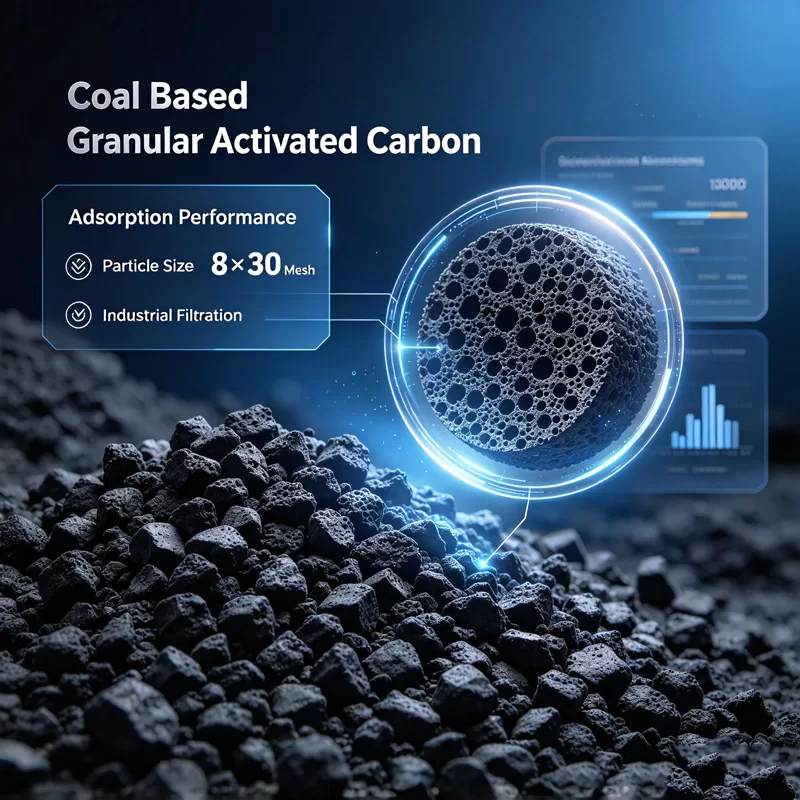
- Potable & Process Water Treatment: Washed bituminous coal GAC (e.g., 8x30 mesh, 12x40 mesh) sporting iodine ratings from 800 mg/g to 1,100 mg/g with low water-soluble ash.
Batch-by-Batch Quality Verification
Nanfang subjects every production run to rigorous multi-step QA audits. Raw coal undergoes proximate analysis before feeding into the kilns. During steam activation, technicians monitor internal bed temperatures continuously. Finished products undergo ASTM-standard lab verification for apparent density, hardness, moisture, ash content, and specific liquid-phase or gas-phase adsorption indices. Every container ships with a certified Certificate of Analysis (COA).
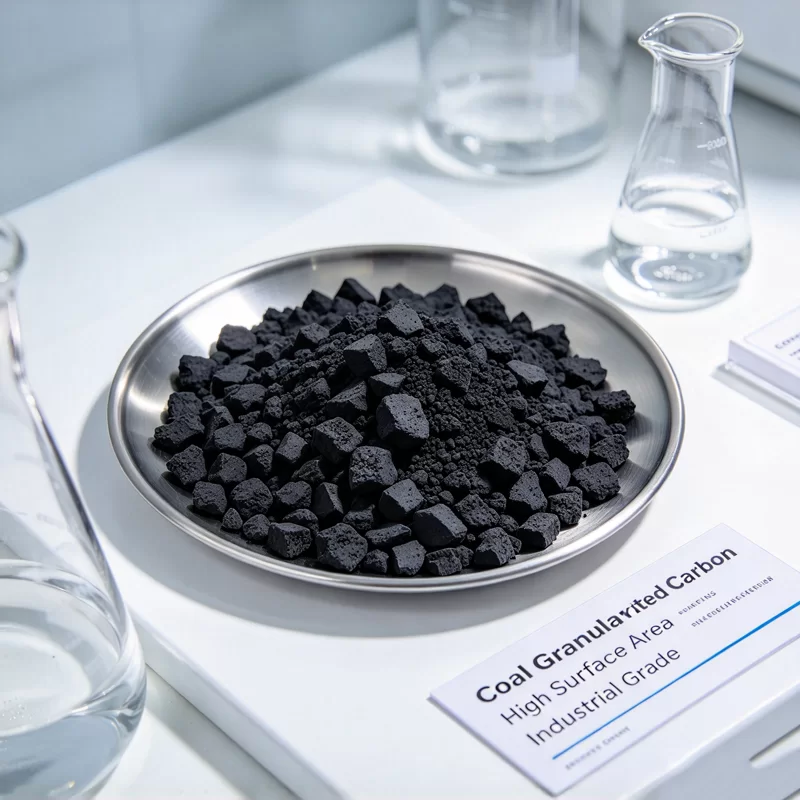
Buyer's Engineering Guide: Selecting the Right Coal Carbon
Before issuing an RFQ to coal based activated carbon manufacturers, your engineering team must determine which raw coal precursor and physical geometry suit your operating vessel.
Bituminous Coal vs. Anthracite Coal Precursors
Bituminous Coal: Soft coal precursors develop balanced transitional pore structures (mesopores) during steam activation. Bituminous coal carbon manufacturer products excel in liquid-phase operations, such as municipal drinking water, industrial wastewater decoloring, and pesticide removal, where larger contaminants must diffuse into inner adsorption sites.
Anthracite Coal: Hard coal precursors feature an intrinsically compact carbon matrix. Anthracite yields carbon packed with dense micropores (under 2 nm). It produces exceptional extruded pellet activated carbon, providing the mechanical hardness, high CTC numbers, and thermal stability required for solvent recovery, air scrubbing, and catalyst protection.
Key Technical Specifications to Compare
- Iodine Number (mg/g): Primarily reflects liquid-phase micropore capacity (typically 800 to 1,100 mg/g). Higher values denote greater total surface area for small molecule capture.
- CTC Activity (% by weight): Represents gas-phase adsorption capacity for carbon tetrachloride vapors. Standard pellets range from CTC 50% to 80%.
- Ball-Pan Hardness Number (%): Measures resistance to physical breakdown. Industrial air filtration pellets should never test below 95% hardness to prevent bed settling, high differential pressure, and particulate fines downstream.
- Ash Content (% by weight): Unwashed coal carbon typically holds 8% to 15% inorganic ash. For chemical processes or low-pH water applications, specify acid-washed carbon to drop ash below 5% and prevent product contamination.
Frequently Asked Questions (FAQ)
Q1: Why choose coal-based activated carbon over coconut shell or
wood-based carbon?
A1: Coal-based activated carbon offers balanced
pore networks containing micropores, mesopores, and macropores. Coconut shell is
heavily microporous, which limits its ability to capture larger organic
molecules. Wood carbon is primarily mesoporous, yet it has lower physical
density and lower mechanical hardness. Coal-based carbon balances structural
strength, broad contaminant capture, and bulk affordability for heavy industrial
duties.
Q2: What standard pellet sizes are available, and how do they impact
pressure drop versus adsorption kinetics?
A2: Extruded coal pellets
commonly come in 1.5mm, 2.0mm, 3.0mm, 4.0mm, and 8.0mm diameters. Thinner
pellets (1.5mm–2.0mm) maximize surface area contact and speed up mass transfer,
but they generate higher air pressure drop across deep beds. Wider pellets
(3.0mm–4.0mm) provide lower airflow resistance, making them ideal for
high-velocity industrial exhaust fans and solvent recovery beds where
maintaining blower energy efficiency is vital.
Q3: How can overseas buyers verify if a Chinese coal-based activated
carbon factory is a genuine direct manufacturer?
A3: Request their
official factory pollutant discharge permits, view their raw coal handling
logistics, and check their business license scope for operational manufacturing
terminology rather than pure trading status. Real direct manufacturers operate
their own laboratory setups, run dedicated kiln lines, welcome third-party video
audits, and can produce consistent, custom mesh sizing instead of merely
reselling fixed standard lots.
Q4: What is the significance of the CTC (carbon tetrachloride) rating
in extruded pellet carbon?
A4: CTC activity indicates the carbon's
micropore volume by measuring its capacity to hold saturated volatile organic
vapors. A pellet rated at 60% CTC adsorbs 60% of its own dry weight in standard
test gas. Higher CTC ratings show deeper internal steam activation, translating
directly to longer bed operating life between changeouts during VOC capture and
exhaust scrubbing cycles.
Q5: Can coal-based activated carbon be reactivated or regenerated
economically?
A5: Yes. High-hardness coal-based granular activated
carbon (GAC) handles thermal reactivation well. Spent carbon undergoes
rotary-kiln heating to 800°C–900°C in an oxygen-depleted steam environment,
charring and vaporizing captured organic pollutants. High-quality bituminous
coal carbon withstands multiple thermal cycles while maintaining roughly 85% to
90% of its original adsorption performance.
Request Your Technical Quote and Pilot Samples
Selecting the right supplier from the world's leading coal based activated carbon manufacturers protects your operations from unplanned downtime, vessel damage, and regulatory violations. Nanfang brings more than 20 years of direct manufacturing experience to your supply chain, offering customized pore chemistry, verified ASTM testing, and flexible multi-plant delivery.
Contact our engineering sales department today. Let our team review your project specifications, prepare custom pellet or granular test samples, and present a factory-direct quote tailored to your 2026 delivery timeline.