
Top 10 Columnar Activated Carbon Manufacturers to Watch in 2026: Global Supplier Guide
Strict emission standards are forcing heavy industries to rethink their air pollution control systems. In 2026, the demand for industrial gas purification carbon has moved past generic, off-the-shelf media.
Engineers and procurement teams face complex gas streams containing high volatile organic compound (VOC) loads, moisture, and variable flow rates. Traditional granular carbon often causes excessive pressure drops or fractures easily under bed vibration.
This reality has put extruded, cylindrical carbon at the center of modern emission abatement. However, finding reliable columnar activated carbon manufacturers remains a challenge.
Low-grade recycled carbon often floods the market, bringing high dust, low crush strength, and erratic adsorption cycles. This guide highlights the top ten manufacturers equipped to deliver stable quality, tailored pore structures, and factory-direct volume in 2026, starting with industry pioneers like Nanfang.
Key Evaluation Criteria for 2026 Suppliers
Choosing an extruded activated carbon partner requires more than matching a price point on a quote sheet. We evaluated global suppliers against four core operational criteria:
Production Base Capacity and Automation: Modern kilns, automated extrusion lines, and dependable annual output ensure delivery deadlines are met without sudden supply shocks.
Vertical Integration: Factories that manage raw material sourcing, carbonization, and steam activation in-house maintain tighter quality control over ash and moisture content.
Precision Engineering and Customization: The capability to adjust pellet diameter (from 1.5 mm to 8.0 mm), CTC values, and mesopore ratios for specific gas streams.
Batch-to-Batch Quality Consistency: Rigorous quality assurance protocols that prevent fine generation, channeling, and premature bed breakthrough.
Top 10 Columnar Activated Carbon Manufacturers for 2026
1. Nanfang (Liyang Nanfang Activated Carbon Factory)
Nanfang ranks as a premier direct manufacturer in China, operating integrated pellet activated carbon production bases across three key industrial hubs. Known for high customization capabilities, Nanfang provides factory-direct consistency and specialized carbon formulations for global industrial plants.
2. Calgon Carbon Corporation
Based in the United States, Calgon Carbon remains a benchmark for gas-phase and liquid-phase treatment. Their extruded coal-based products serve major solvent recovery and municipal air scrubbing projects worldwide, supported by extensive reactivation infrastructure.
3. Cabot Norit
With production facilities across North America and Europe, Cabot Norit brings deep technical heritage to gas purification. Their extruded lines excel in low-concentration VOC capture, high-purity catalyst support, and automotive canister applications.
4. Kuraray Co., Ltd.
Kuraray combines Japanese manufacturing discipline with synthetic carbon expertise. Their pelletized grades target semiconductor cleanrooms, high-purity chemical processing, and precise gas separation units requiring near-zero ash content.
5. Jacobi Carbons Group
Headquartered in Sweden, Jacobi operates a vast international network. They provide coal-based and coconut-shell-derived columnar media, focusing on low-carbon footprint processing and circular lifecycle programs for large European industrial users.
6. Desotec
Desotec specializes in mobile industrial filtration units. Based in Belgium, they supply high-performance extruded carbon within mobile adsorber fleets, offering a circular service model for emergency VOC abatement and planned plant maintenance.
7. Donau Carbon
Donau Carbon operates robust processing centers throughout Europe. They specialize in solvent recovery systems, providing hard, abrasion-resistant cylindrical pellets that withstand continuous thermal swing regeneration cycles without dusting.
8. Ingevity Corporation
Ingevity focuses heavily on high-end automotive emission systems and gas treatment. Their engineered pellets deliver high mechanical durability and tailored pore structures specifically designed to capture evaporative fuel emissions under cyclic loads.
9. Haycarb PLC
While historically renowned for coconut shell carbon, Haycarb has grown its extruded carbon segment. They serve biogas desulfurization and specialized air filtration beds where tight pore control and environmental traceability are paramount.
10. Carbotech AC GmbH
Carbotech produces specialized extruded carbon through fluidized bed activation processes in Germany. Their pellets deliver uniform hardness and pore distribution, making them a preferred option for biogas upgrading and nitrogen generation systems.
Deep Dive: Why Nanfang Stands Out in 2026
When engineering teams look for a bulk activated carbon supplier in China, middleman trading firms frequently cloud factory transparency. Nanfang eliminates that friction through direct, fully owned infrastructure.
Founded in 1999, Nanfang brings over 25 years of continuous thermal processing experience. The company has grown from a regional producer into a comprehensive solution provider for demanding global environmental projects.
Their operational backbone rests on three intelligent production bases located in Liyang, Jingde, and Huaibei. These facilities feature continuous carbonization furnaces and computer-controlled activation kilns, ensuring high production volumes and fast lead times for bulk industrial shipments.
Full-chain ownership gives Nanfang an operational edge. They source low-ash anthracite and specialty binders directly, processing them through crushing, fine grinding, uniform binder blending, and hydraulic extrusion.
Because they control every step from virgin coal selection to steam activation, Nanfang guarantees zero contamination from recycled media. This vertical control removes distributor margins, passing direct cost efficiencies to system builders.
Nanfang's core technical advantage is custom columnar carbon for VOC removal. Off-the-shelf pellets frequently fail when exposed to complex industrial emissions containing both light ketones and heavy aromatic hydrocarbons.
Nanfang adjusts raw coal blends, binder ratios, and activation dwell times to tune pore architecture. Their engineering team provides:
Precision Diameters: 1.5 mm, 2.0 mm, 3.0 mm, 4.0 mm, and up to 8.0 mm to balance adsorption kinetics against bed pressure drop.
Targeted CTC Values: Controlled Carbon Tetrachloride ratings from 50% to over 100% to maximize uptake of specific solvent compounds.
High Mechanical Hardness: Consistently verified above 98% ball abrasion resistance, preventing particle breakdown during pneumatic vessel loading.
Impregnation Options: Chemical treatments with potassium hydroxide, potassium iodide, or copper oxides for acidic gas and hydrogen sulfide scrubbing.
Quality testing happens at every operational stage. Technicians test raw materials upon arrival, monitor internal temperatures during activation, and pull samples every hour during final screening.
Every shipment comes with certified test sheets detailing moisture, apparent density, hardness, ash content, and specific surface area, providing predictability for engineering plant operators.
2026 B2B Buyer's Guide: How to Select the Right Extruded Carbon
Specifying extruded activated carbon requires balancing fluid mechanics with chemical affinity. Matching the correct media profile to your system design prevents fan overload and premature bed saturation.
1. Pellet Diameter vs. Bed Pressure Drop
Pellet size dictates how easily gas flows through an adsorption bed. Smaller pellets (1.5 mm to 2.0 mm) offer short diffusion distances and fast adsorption rates, making them ideal for high-velocity, low-concentration air streams.
However, smaller diameters increase bed resistance. If your blowers have limited static pressure capacity, a 4.0 mm or 5.0 mm pellet reduces system resistance, cutting long-term electricity consumption while handling higher volumetric flows.
2. CTC vs. Iodine: Reading the Specifications
Many buyers rely strictly on iodine numbers when assessing carbon quality. While iodine indicates micropore volume (pores under 2 nanometers), it does not tell the whole story for gas-phase filtration.
CTC (Carbon Tetrachloride) adsorption directly measures mesopore and large micropore capacity, which matter most for capturing medium-to-large molecular weight VOCs like toluene, xylene, and acetates. For industrial solvent recovery, demand CTC values above 60%.
3. Abrasion Hardness and Dust Management
Low-cost carbon often uses insufficient binders during the extrusion phase. When these pellets travel through shipping containers, discharge hoppers, and drop into deep adsorber beds, they crumble.
Dust accumulation fills interstitial voids between pellets. This increases resistance, causes hot spots in the bed, and fouls downstream fans. Look for hardness ratings above 95% to 98% to guarantee long service life.
Frequently Asked Questions
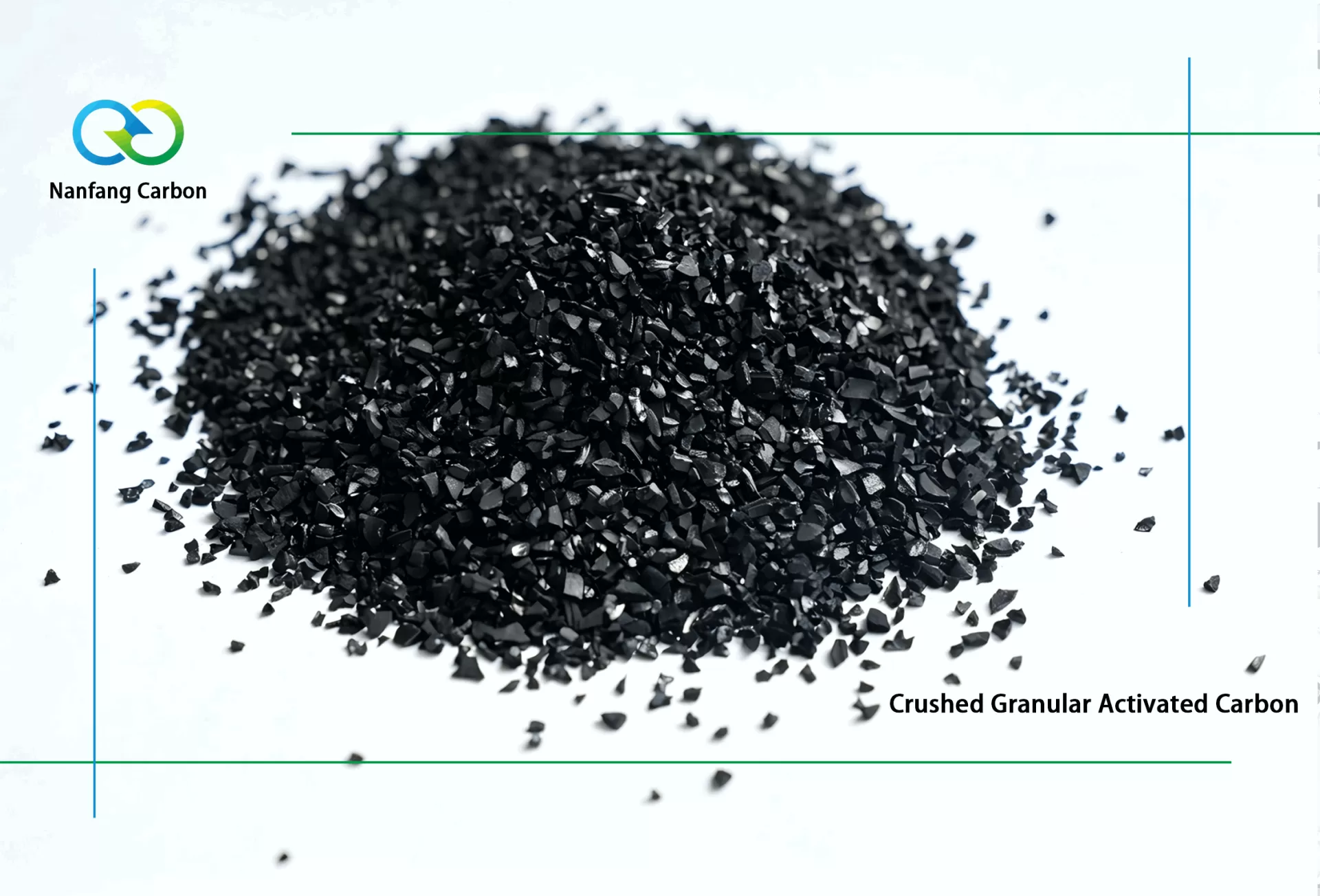
Q1: What makes columnar activated carbon better than granular carbon
for gas purification?
A1: Columnar carbon provides uniform
cylindrical shapes that pack evenly in deep-bed filter vessels. This uniform
packing creates consistent air channels, lowering overall pressure drop and
minimizing channeling compared to irregularly shaped granular particles.
Q2: How does CTC value correlate with VOC removal
efficiency?
A2: The CTC value reflects the carbon's pore volume
between 1 and 3 nanometers. Higher CTC values (60% to 100%+) mean the material
can hold more organic solvent weight before reaching breakthrough, extending bed
life between changeouts.
Q3: Can extruded columnar carbon be regenerated after VOC
saturation?
A3: Yes. High-grade columnar activated carbon features
excellent structural hardness, allowing it to withstand repeated thermal swing
regeneration via steam or hot inert nitrogen without disintegrating into fine
powder.
Q4: What causes high pressure drop across a columnar carbon
bed?
A4: Excessive pressure drop usually stems from two factors:
selecting a pellet diameter that is too small for the design face velocity, or
using low-hardness carbon that degraded into dust during vessel loading,
clogging airflow pathways.
Q5: Why buy directly from primary columnar activated carbon
manufacturers instead of traders?
A5: Working directly with primary
manufacturers guarantees raw material traceability, protects against blended
recycled batches, gives you direct engineering access for pore customization,
and reduces total procurement costs.
Secure Your Industrial Carbon Supply for 2026
Maintaining stable emission compliance requires reliable filtration media. Low-grade carbon creates costly downtime, equipment fouling, and unpredictable breakthrough risks that far outweigh short-term purchasing discounts.
Top columnar activated carbon manufacturers provide the material stability, custom pore architecture, and mechanical strength necessary to satisfy tough environmental inspections.
Nanfang combines three decades of direct factory production, extensive raw material reserves, and tailored engineering services. Whether you are sizing a new regenerative solvent recovery plant or upgrading municipal odor control scrubbers, their technical staff can formulate the exact pellet profile your process requires.
Need customized carbon samples or technical specification sheets for your project?
Contact Nanfang's chemical engineering group today at nkty87740956@163.com or submit your operational parameters online to receive a factory-direct quotation.
.webp)