
4-Step Buyer’s Guide: How to Choose the Right Columnar Activated Carbon Mesh Size
Most industrial buyers focus entirely on the Iodine number or carbon tetrachloride (CTC) adsorption when procuring carbon media. They assume higher activity directly translates to better performance. In gas-phase filtration, this assumption is an expensive mistake.
While chemical adsorption metrics matter, the physical geometry of your media governs daily operational success. At Nanfang, our engineering teams often troubleshoot industrial scrubbers where premium-grade carbon failed simply because the buyer selected the wrong pellet diameter.
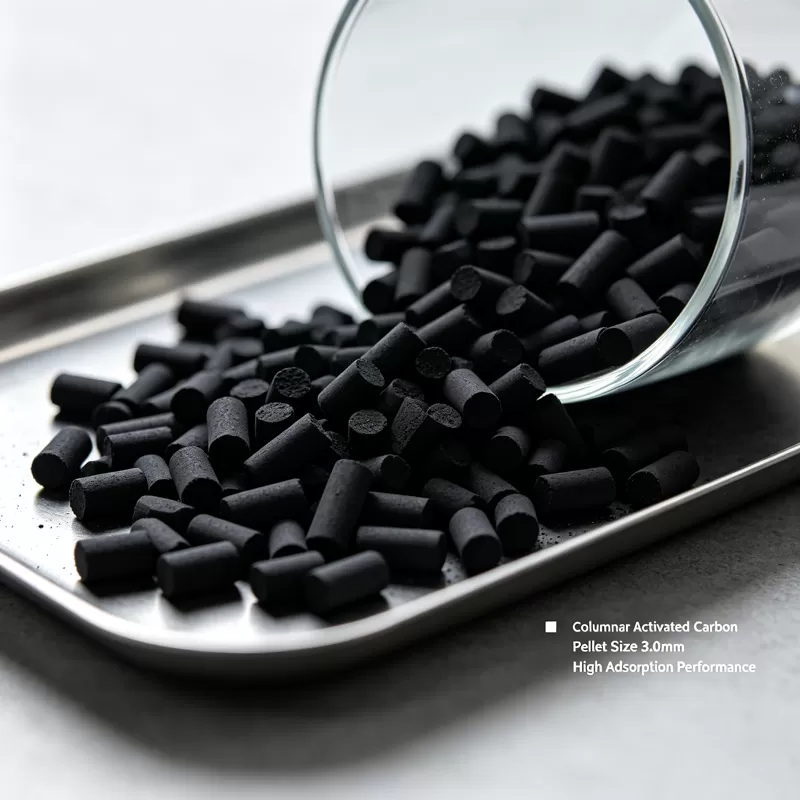
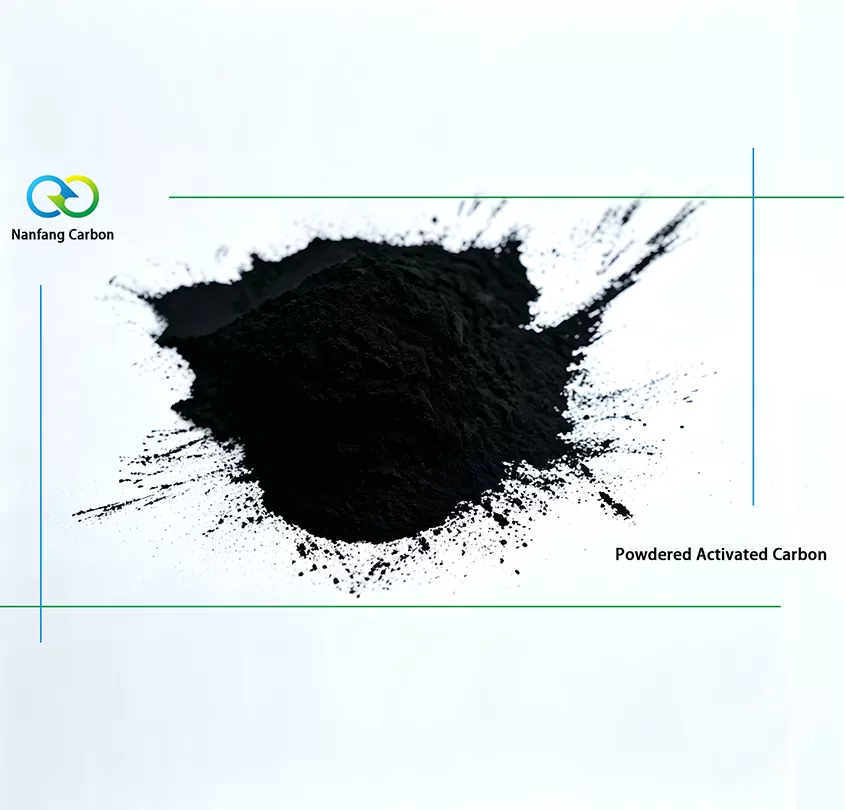
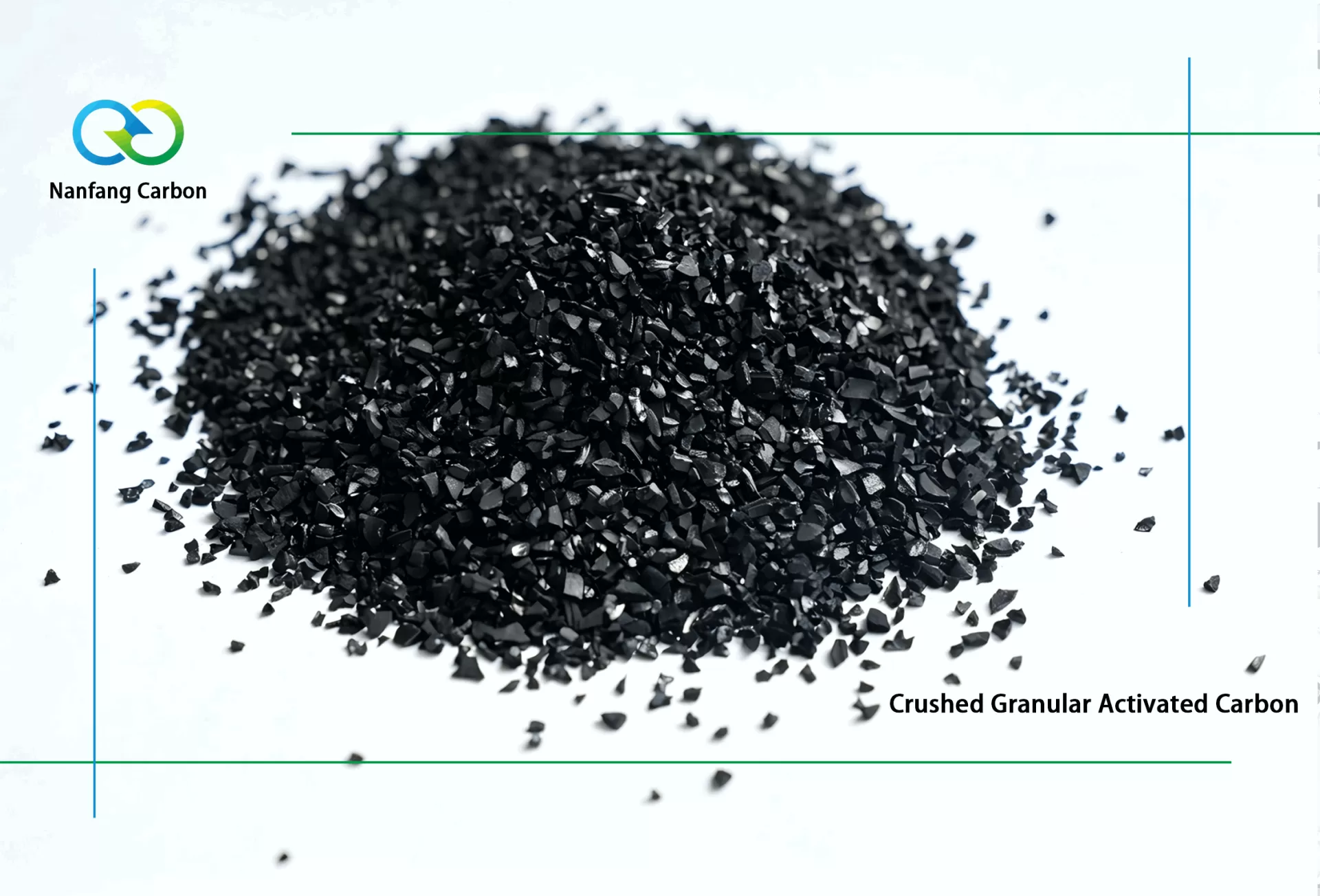
Before reviewing specs, clarify the terminology. Granular activated carbon (GAC) relies on standard mesh designations like 4x8 or 8x30 mesh. In contrast, columnar activated carbon—also known as extruded or pellet carbon—is measured by outside diameter in millimeters (mm), typically ranging from 0.9mm to 8.0mm.
Choose a pellet that is too fine, and your system pressure drop spikes. That forces your blowers to work overtime, inflating your monthly electricity bills or tripping thermal overloads. Choose a diameter that is too coarse, and your exhaust gas bypasses the bed, triggering fugitive emissions and regulatory fines. This guide walks you through a practical 4-step framework to determine the exact columnar activated carbon pellet size for your system.
Step 1: Evaluate Fluid Dynamics and Pressure Drop Tolerance
Airflow resistance governs carbon bed design. Fluid dynamics inside an adsorption vessel depend heavily on the void space between individual pellets. The Ergun equation describes this reality: bed pressure drop ($\Delta P$) correlates inversely with particle diameter.
When you pack smaller pellets into an adsorber, the void spaces shrink. This increases friction against passing gas streams. Selecting the right columnar activated carbon mesh size requires balancing dynamic mass transfer against system blower capacity.
Small Pellets (1.5mm – 2.0mm): These sizes deliver rapid adsorption rates because they minimize external film resistance. However, they create substantial activated carbon pressure drop across the bed. Use them only when dealing with compact vessels, low volumetric airflow, or systems equipped with high-pressure positive-displacement blowers.
Medium Pellets (3.0mm – 4.0mm): Widely considered the workhorse of industrial gas phase adsorption. They strike an optimal balance between airflow resistance and surface contact, handling moderate-to-high velocity airflows without choking fans.
Large Pellets (6.0mm – 8.0mm): Large cylinders create open beds with high void fractions. Resistance drops to minimal levels, which protects low-power exhaust fans. They excel in massive airflow environments where high static pressure is prohibitive, such as municipal waste incineration facilities or heavy foundry exhaust vents.
Never select a pellet size without reviewing your blower's fan curve. If your induced draft fan cannot maintain design face velocity against a 3mm bed, stepping up to a 4mm cylinder is the fastest way to stabilize operating pressure.
Step 2: Match Adsorbate Characteristics with Contact Time (EBCT)
Pressure drop tells you how air moves through the vessel. Adsorption kinetics tell you whether contaminants actually stick to the carbon matrix before exiting the stack. This step demands a close look at your target compounds and Empty Bed Contact Time (EBCT).
Contaminant molecules must travel from the bulk gas stream, pass through the boundary layer around the pellet, and diffuse into internal micropores. This internal diffusion distance matches the radius of the extruded cylinder.
A 1.5mm pellet has an internal diffusion path of roughly 0.75mm. A 4.0mm pellet requires molecules to migrate up to 2.0mm to reach core adsorption sites. For complex, high-molecular-weight volatile organic compounds (VOCs), this diffusion path dictates bed saturation velocity.
Light, Reactive Gases: For hydrogen sulfide ($H_2S$), ammonia, or low-boiling mercaptans, adsorption kinetics are rapid. You can safely utilize 4.0mm pellets without suffering early breakthrough, provided the base carbon possesses targeted chemical impregnation.
Heavy Organic Solvents: Heavy hydrocarbons and complex aromatics diffuse slowly through carbon pore structures. If your vessel footprint restricts your EBCT to under 1.5 seconds, large pellets will bleed contaminants into the exhaust stream. Smaller diameters shorten the mass transfer zone (MTZ), maximizing dynamic breakthrough capacity in tight spaces.
If your system allows an EBCT of 2.5 to 4 seconds, larger diameter pellets provide ample residence time for diffusion to occur. This keeps static pressure low without sacrificing discharge compliance.
Step 3: Benchmark Against Proven Industrial Applications
Most industrial air purification installations operate within standardized parameters. Here is how field engineers align columnar activated carbon pellet size with specific sector requirements:
1.5mm to 2.0mm Diameter: Precision and Fast Kinetics
These ultra-fine extrusions serve applications requiring tight tolerances and short mass transfer zones:
Solvent recovery units using rapid steam or inert gas stripping cycles.
Automotive carbon canisters where fuel vapors must be trapped and purged instantly.
High-performance laboratory fume hoods and gas mask respirators.
Catalyst support beds requiring maximum external geometric surface area.
3.0mm vs 4mm Activated Carbon: The Industrial Sweet Spot
Plant operators continually weigh 4mm vs 3mm activated carbon. While 3mm carbon provides roughly 20-25% more external surface area per cubic meter, 4mm carbon lowers the pressure drop by approximately 30% under identical flow conditions.
Nanfang supplies millions of pounds of 4.0mm extruded media annually because it remains the global benchmark for standard environmental compliance. Specify 3.0mm if you process variable VOC spikes with strict municipal limits. Specify 4.0mm when processing continuous, high-volume air streams in paint booths, chemical storage vents, and DeSOx/DeNOx power generation systems.
8.0mm Diameter: Ultra-Low Resistance Systems
Very large pellet carbon shines where available static pressure is near zero. Common uses include passive sewer vent scrubbers, railcar loading vapor balance systems, and large agricultural grain silo aeration where blowers operate on minimal horsepower.
Step 4: Account for Total Cost of Ownership (TCO) Beyond Diameter
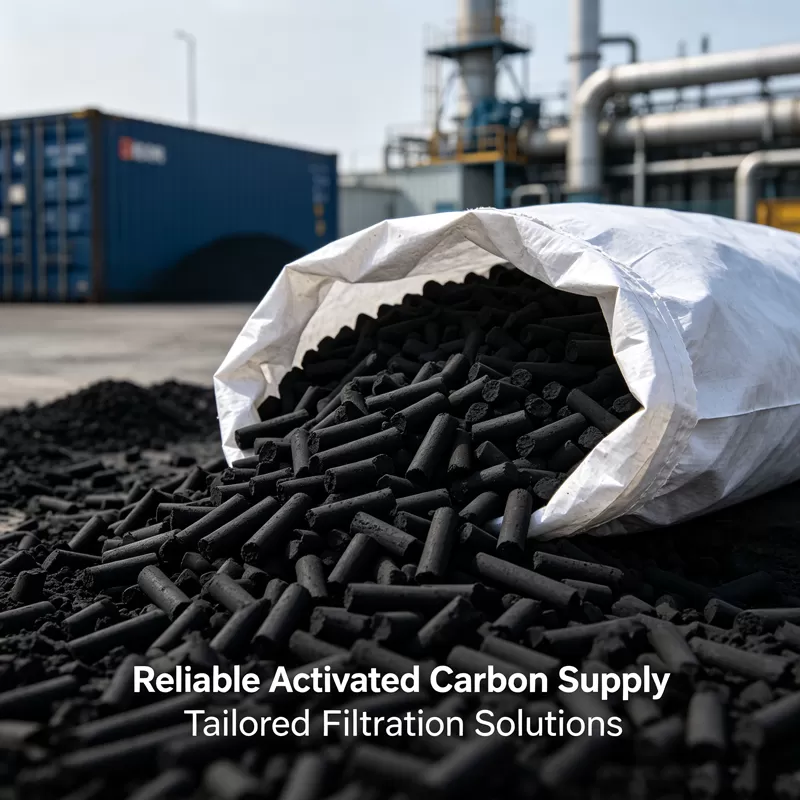
Purchasing cheap extruded activated carbon specifications often leads to operational failure. Media cost represents only a fraction of total operating expenditures; fan energy, maintenance shutdowns, and change-out labor carry higher long-term costs.
When selecting pellet carbon for VOC removal, evaluate these non-negotiable physical parameters alongside the mesh diameter:
Hardness and Ball Abrasion Resistance: Always demand an abrasion resistance rating of 95% or higher. Extruded pellets endure tremendous mechanical stress during pneumatic loading and cyclic airflow changes. Weak pellets degrade into fine dust. Carbon fines migrate through the bed, fill interstitial gaps, and cause sudden pressure spikes that blind upstream filters.
Apparent Density and Raw Material Base: Coal-based extruded carbon offers high mechanical strength and bulk density, making it structurally dependable for deep beds. Wood-based columnar carbon provides larger mesopore volumes for heavy molecular weight recovery, but features lower density. Coconut-shell pellets deliver exceptional microporosity for trace-level purity, though they carry a premium price tag.
Thermal Reactivation Feasibility: If your plant relies on off-site thermal reactivation to maintain sustainability goals, pellet size matters. Larger 4.0mm pellets survive multi-hearth furnaces or rotary kilns with significantly lower attrition losses than fragile 1.5mm extrusions, giving them a much longer service life over multiple cycles.
Frequently Asked Questions (FAQ)
Q1: What is the main practical difference between 4mm and 3mm
columnar activated carbon?
A1: The primary
difference is the trade-off between pressure drop and adsorption rate. 3mm
carbon offers faster diffusion kinetics and a shorter mass transfer zone, making
it superior for capturing high-velocity VOC spikes. However, 4mm carbon produces
noticeably lower bed resistance, cutting fan power consumption and reducing the
risk of blower motor overheating.
Q2: Can I substitute granular activated carbon (GAC) with columnar
activated carbon?
A2: Yes, industrial operators
frequently switch from 4x8 mesh GAC to 4mm columnar carbon. Pellets feature
uniform, cylindrical geometry that reduces air channeling and settles evenly in
deep beds. This uniform packing delivers predictable pressure drops and superior
mechanical hardness compared to irregular broken coal granules.
Q3: How does pellet size impact carbon replacement
intervals?
A3: Total adsorption capacity depends on
internal micropore volume (measured by CTC or butane working capacity), not the
outer diameter. However, smaller pellets delay premature breakthrough in systems
with short contact times. Conversely, larger pellets resist blinding from
particulate matter and moisture condensation, preventing premature vessel
cleanouts caused by pressure buildup.
Q4: Why does my carbon bed pressure drop keep increasing even though
airflow is constant?
A4: Rising pressure drop
usually indicates that your pellet carbon has low hardness, causing it to break
down into dust under mechanical vibration or air velocity. These fines fill the
empty spaces between intact cylinders, choking gas flow. Alternatively,
particulate matter in an untreated upstream exhaust stream may be blinding the
carbon bed surface.
Q5: Does smaller columnar activated carbon cost more than larger
sizes?
A5: Generally, yes. Extruding 1.5mm or 2.0mm
pellets requires specialized high-pressure dies, slower production throughput,
and higher binder ratios during manufacturing. Standard 4.0mm pellets offer the
most cost-effective production economics, translating to a lower purchase price
per metric ton.
Secure Your Process Reliability with Nanfang
Choosing the correct columnar activated carbon pellet size requires matching operational parameters, fan capabilities, and emission targets. A small miscalculation can trigger compliance issues or saddle your operation with high energy costs.
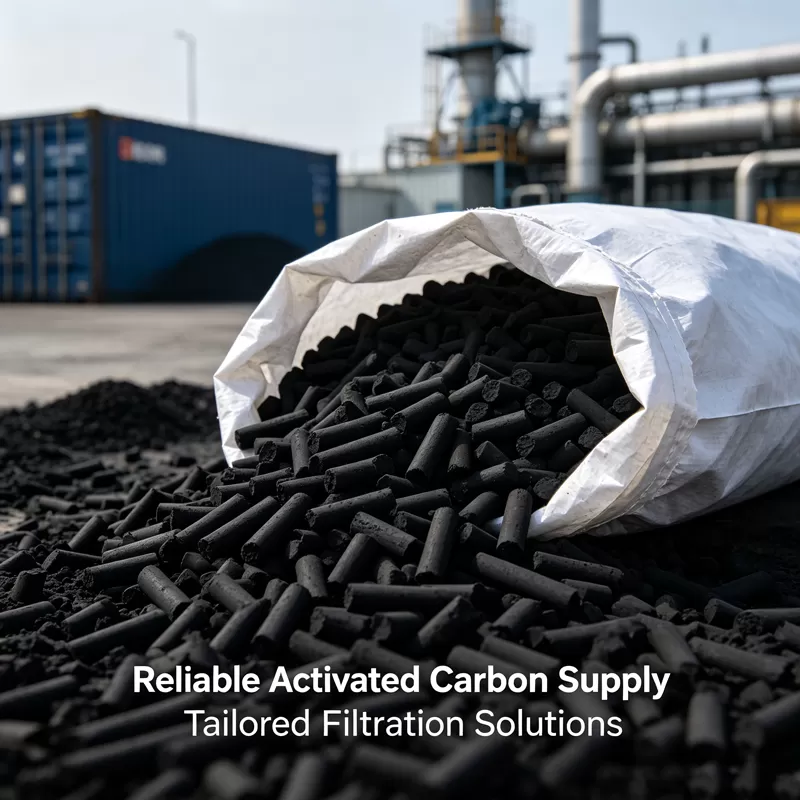
Nanfang manufactures premium-grade, coal, wood, and coconut-based columnar activated carbon designed to meet strict industrial specifications. Whether you are upgrading an existing solvent recovery unit or specifying media for a new paint booth installation, our application engineers will help you calculate bed pressure drop, evaluate residence times, and determine your optimal media configuration.
Ready to optimize your adsorption system? Contact our technical team today at nkty87740956@163.com to request technical data sheets (TDS), order free lab-testing samples, or review your system design parameters.
.webp)