Coconut Shell Powder Activated Carbon: Adsorption Kinetics, Specs & Uses
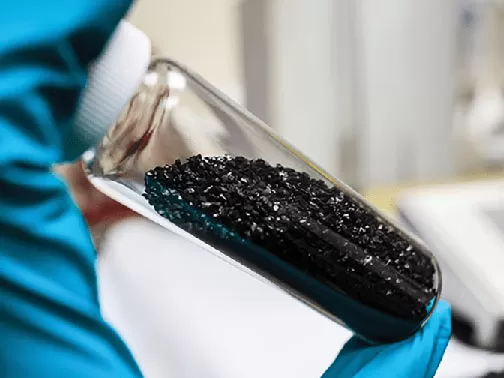
In continuous and batch industrial separation processes, adsorption kinetics dictate process efficiency and reactor sizing. While granular activated carbon (GAC) is standard for fixed-bed adsorption columns, specific treatment scenarios—such as rapid pollutant spikes, seasonal taste and odor control, and batch decolorization—require instantaneous kinetic mass transfer. This is where coconut shell powder activated carbon serves as an indispensable engineering medium.
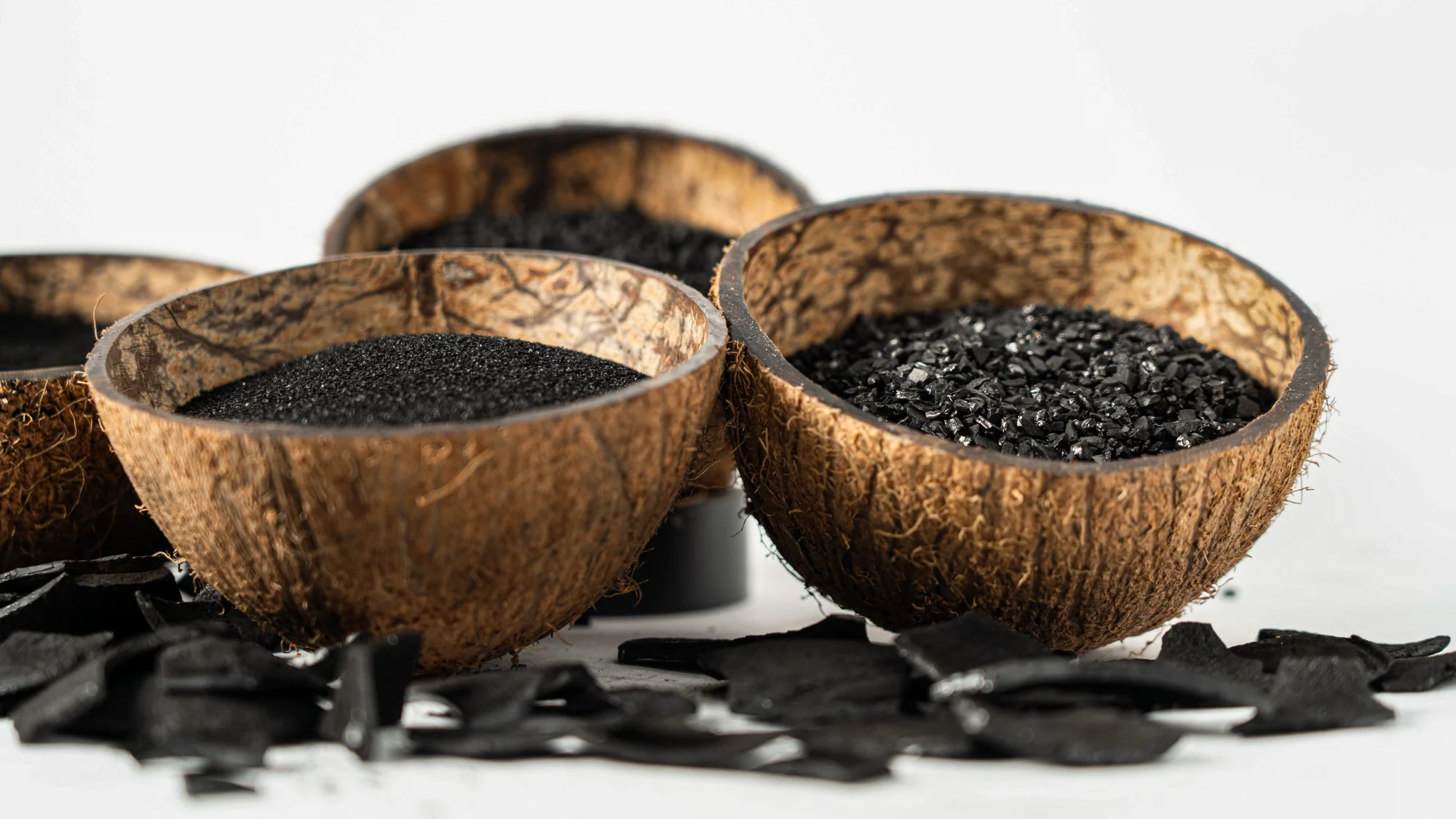
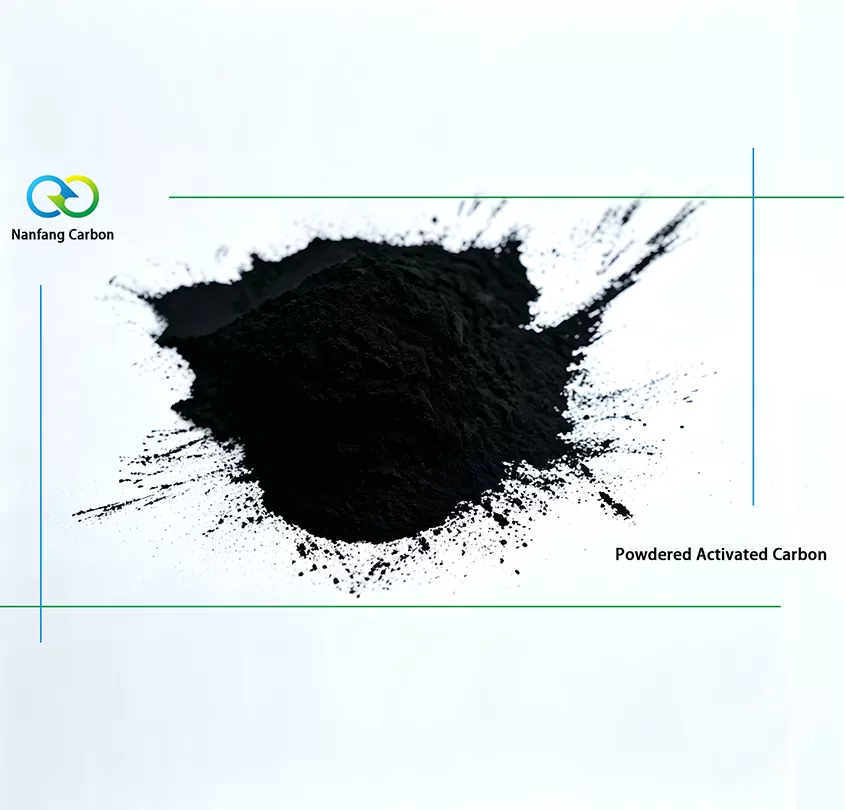
Manufactured by precision-milling steam-activated coconut shell char to ultra-fine particle sizes (typically 90% passing 200 to 325 mesh), powdered activated carbon (PAC) derived from coconut shells presents a distinct micro-crystalline pore matrix. This profile delivers rapid intraparticle diffusion rates combined with high specific surface area, making it a premier choice for municipal engineers and industrial process plant operators.
Pore Architecture: Why the Coconut Shell Matrix Matters
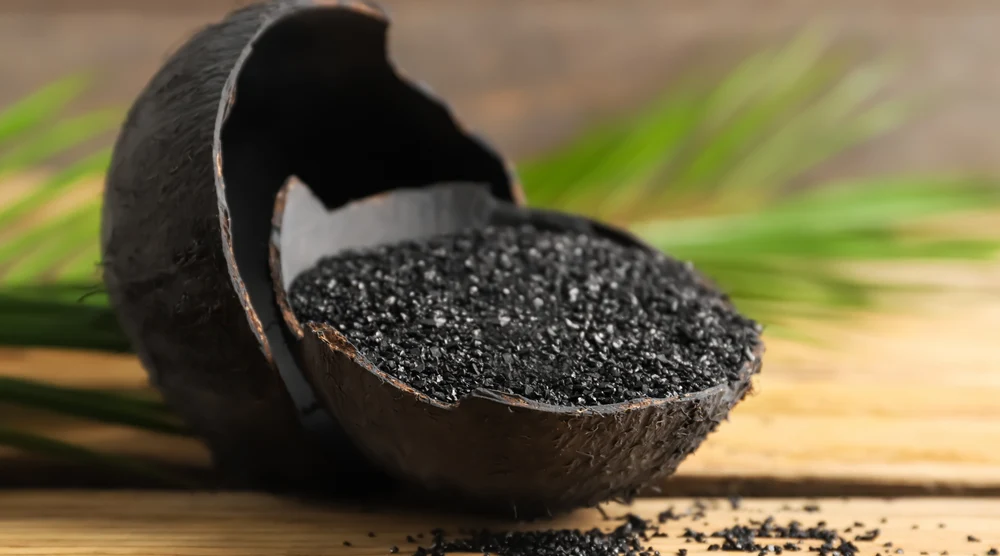
The performance of any activated carbon begins with the structural morphology of its precursor. Unlike coal, lignite, or softwoods, mature coconut shells (Cocos nucifera) possess a dense, highly lignified cellular construction. When carbonized and subsequently activated via high-temperature steam (typically 800°C to 1000°C), this dense raw material develops an exceptionally high proportion of micropores.
Micropore Dominance: Up to 85% to 90% of the total internal pore volume consists of micropores (diameters < 2 nm). This diameter range matches the molecular size of volatile organic compounds (VOCs), halogenated hydrocarbons, trihalomethanes (THMs), and low-molecular-weight industrial pollutants.
High Specific Surface Area: High-grade coconut shell powder activated carbon frequently achieves Brunauer-Emmett-Teller (BET) surface areas between 1,000 m²/g and 1,400 m²/g, presenting millions of functional binding sites per gram of material.
Low Intrinsic Ash Content: Mineral matter (inorganic ash) in coconut-derived carbon typically remains below 3% to 5%, whereas coal-based alternatives regularly introduce 8% to 15% ash. Low ash minimizes process fluid contamination, prevents secondary leaching, and yields near-neutral slurry pH characteristics.
Technical Parameters: Evaluating Powder Specifications
Specifying the proper grade of coconut shell powder activated carbon requires analyzing quantitative metrics rather than relying on qualitative claims. Process engineers must evaluate the following key parameters:
Iodine Number (ASTM D4607): Typically ranging from 900 mg/g to over 1,150 mg/g. This indicates the micropore capacity for low-molecular-weight compounds. Higher values correspond directly to extended bed life and lower required dosing rates.
Particle Size Distribution (PSD): Fine granulometry minimizes the liquid-film diffusion boundary layer. Standard specifications require 90% or 95% passage through a 200-mesh (74 μm) or 325-mesh (44 μm) screen. Smaller mean particle diameters (MPD) accelerate adsorption kinetics but require downstream filtration capability.
Methylene Blue Number: While coconut carbon is primarily microporous, controlled steam activation produces enough small mesopores (2 to 5 nm) to capture medium-sized color bodies, characterized by methylene blue numbers between 135 mg/g and 210 mg/g.
Apparent Density: Typically 0.45 to 0.55 g/cm³. Higher density indicates a mechanically robust base carbon that minimizes dust generation during pneumatic conveying and slurry hydration.
Kinetic Performance: Powdered vs. Granular Formulations
The thermodynamic equilibrium adsorption capacity of PAC and GAC made from the same base material is theoretically identical; however, their adsorption kinetics differ significantly.
Adsorption is largely controlled by intraparticle diffusion: the rate at which adsorbate molecules navigate through the internal pore network. By reducing the carbon particle radius from 1–2 mm (typical for 8x30 or 12x40 mesh GAC) down to 20–40 microns (PAC), the diffusion path length is reduced by orders of magnitude. Under Fick's laws of diffusion, mass transfer rates scale inversely with the square of the particle radius, allowing coconut shell powder activated carbon to reach dynamic equilibrium within 10 to 30 minutes, compared to days or weeks for granular media.
This kinetic advantage allows plant operators to introduce PAC directly into flash-mix tanks, flocculators, or slurry contact chambers without constructing multi-million-dollar pressurized carbon contactor vessels.
Primary Industrial Applications
1. Potable Water and Municipal Micro-Pollutant Treatment
Municipal water treatment facilities encounter seasonal influxes of cyanobacterial metabolites, specifically Geosmin and 2-Methylisoborneol (MIB), which induce severe taste and odor complaints at parts-per-trillion (ppt) concentrations. Slurry injection of coconut shell PAC into raw water intakes provides rapid, on-demand abatement without requiring continuous fixed-bed capital equipment. Furthermore, the micro-porous structure is engineered to adsorb anthropogenic contaminants such as per- and polyfluoroalkyl substances (PFAS), pesticides (e.g., atrazine), and pharmaceutical residues before sedimentation stages.
2. High-Purity Process Streams and Decolorization
In the manufacture of specialty organic chemicals, bulk pharmaceuticals, and food-grade ingredients (such as citric acid, amino acids, and high-fructose syrups), high chemical purity is required. Wood-based PAC is traditionally employed for large molecular color bodies, but it introduces higher ash, acid-soluble iron, and heavy metal contaminants. High-purity coconut shell powder activated carbon provides selective trace impurity polishing, residual oxidant (ozone, chlorine) scavenging, and fine decolorization without leaching inorganic salts into downstream crystallization systems.
3. Industrial Wastewater Polishing and COD Trimming
Industrial discharge permits enforce strict thresholds on Chemical Oxygen Demand (COD) and specific toxic compounds. When biological treatment (activated sludge) or advanced oxidation processes (AOP) leave recalcitrant synthetic organics, dosing coconut shell PAC directly into the clarifier or tertiary polishing basin reduces residual COD down to non-detectable thresholds prior to outfall discharge or reverse osmosis desalination.
Engineering Considerations: Dosing, Mixing, and Dewatering
Deploying PAC requires attention to materials handling and unit operations:
Slurry Preparation: PAC is typically prepared as a 5% to 10% aqueous slurry using specialized wetting cones and eductors. Coconut shell PAC wets effectively, but mechanical agitation is required to prevent particle stratification in slurry storage vessels.
Contact Time Optimization: An Empty Bed Contact Time (EBCT) is not applicable here; instead, systems require a Minimum Slurry Contact Time of 15 to 45 minutes prior to coagulant addition. PAC must not be added simultaneously with chemical coagulants (such as alum or ferric chloride), as metal hydroxide flocs will encapsulate the carbon particles, blinding the pores before organic adsorption is complete.
Downstream Separation: Because PAC remains suspended, the downstream system must feature rapid-sand filters, dissolved air flotation (DAF), or ultrafiltration membranes to completely retain the carbon fines. In deep-bed media filtration, dual-media anthracite/sand beds prevent premature surface blinding by fine PAC particles.
Quality Assurance in PAC Sourcing: The Nanfang Standard
Not all coconut shells deliver identical performance. Shell thickness, maturity, carbonization kiln design, and activation control directly impact mechanical hardness, pore volume distribution, and product uniformity. Inferior PAC can contain substantial non-activated volatiles, high silica content from raw material contamination, and erratic particle size curves that complicate slurry metering pumps.
Nanfang addresses these processing variables through vertical integration. Sourcing selected coconut shells, Nanfang utilizes automated rotary kilns with controlled steam injection profiles to ensure complete micropore development. Following activation, high-energy impact milling paired with air-classification systems ensures precise particle cutoff thresholds. Every production lot is verified against strict ASTM specifications, guaranteeing consistent iodine numbers, low residual ash, and minimal acid-soluble matter for demanding global process engineering installations.
Frequently Asked Questions (FAQ)
1. How does mesh size impact the performance of coconut shell powder activated carbon?
Mesh size defines the particle size distribution (PSD) and directly governs the external surface area. A finer mesh (e.g., 90% passing 325 mesh) provides faster adsorption kinetics and reduced required contact time compared to a coarser 200-mesh powder. However, ultra-fine powders increase slurry viscosity and require more efficient downstream separation (sedimentation or membrane filtration) to avoid breakthrough.
2. What is the recommended iodine number for removing PFAS and trace organics?
For trace organics, endocrine disruptors, and short-to-medium chain PFAS compounds, an iodine number between 1,000 mg/g and 1,100 mg/g is generally recommended. This guarantees the high volume of sub-nanometer micropores needed to secure these small, persistent chemical compounds under dynamic flow conditions.
3. Can coconut shell powder activated carbon be thermally reactivated?
Unlike granular or pelletized carbons, powdered activated carbon is typically not economically viable for off-site thermal reactivation. Because PAC is dosed directly into water streams and blended with chemical sludges, recovering and separating the spend carbon particles is inefficient. PAC is usually disposed of alongside dewatered sludge via incineration or landfill, making low dosing rates critical for operational expenditure.
4. Why does coconut shell PAC yield lower ash than coal or wood carbons?
Coconut shells are an endocarp tissue containing very low concentrations of structural silica, alumina, and iron compared to wood bark or subterranean mined coal. While bituminous coal activated carbon regularly contains 8% to 15% inorganic ash, virgin coconut shell activated carbon routinely maintains ash concentrations under 3% to 4%, drastically reducing the risk of mineral leaching.
5. What safety precautions are required when handling bulk dry PAC?
Dry powdered activated carbon can create combustible dust atmospheres (Class ST-1). Enclosed storage silos require explosion venting, grounded pneumatic conveying lines to mitigate electrostatic discharge, and dry-dust collectors. Furthermore, wet activated carbon preferentially depletes oxygen from enclosed spaces; safety protocols for confined space entry must be observed around slurry and storage tanks.
Optimize Your Process Operations with Nanfang
Whether you are designing a seasonal taste and odor control strategy for a municipal drinking water plant or engineering an ultra-pure chemical polishing stage, selecting the appropriate coconut shell powder activated carbon is critical to meeting performance thresholds and regulatory compliance. Nanfang supplies high-purity, application-tailored PAC grades backed by certified quality control, comprehensive Technical Data Sheets (TDS), and reliable bulk logistics.
Contact the Nanfang technical engineering team today to request a technical consultation, obtain formal Certificates of Analysis (COA), or order test samples for bench-scale treatability evaluations.
.webp)
.webp)