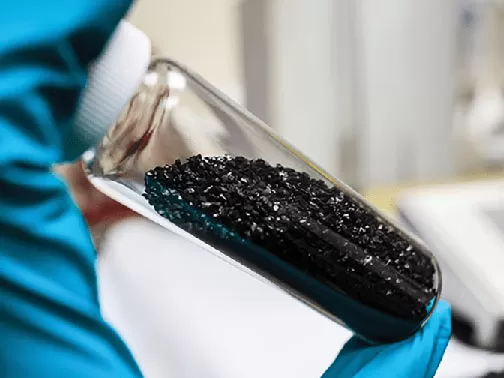
How to Vet a Reliable Coconut Shell Activated Carbon Manufacturer in 2026
Procuring industrial filtration media has shifted dramatically over the past two years. Buyers no longer operate in an era where comparing standard datasheets guarantees product consistency. Industrial municipal programs targeting PFAS compounds, stringent heavy metal limits in potable water, and high-recovery gold mining operations have pushed the demand for microporous media to record highs.
Simultaneously, severe monsoon patterns and raw material competition across Southeast Asia have strained raw coconut charcoal supplies. In this volatile supply climate, finding a qualified coconut shell activated carbon manufacturer demands a rigorous engineering assessment rather than a simple price check. Established producers like Nanfang have structured their raw material supply chains to counter these variables, yet many intermediaries continue to disguise low-grade blended coal carbon or reactivated material as virgin coconut media.
This technical guide details the exact parameters, production processes, and compliance verification protocols you need to audit any activated carbon factory before issuing a commercial purchase order in 2026.
1. The 2026 Supply Shift: Why Old Sourcing Habits Fail
For decades, procurement managers evaluated bids based on three simple variables: mesh size, quoted iodine number, and price per metric ton. That approach no longer protects industrial operations from expensive plant downtimes. Modern water districts and industrial air operators face severe operational constraints that standard trade documentation routinely overlooks.
The global race to remove polyfluoroalkyl substances (PFAS) has created immense pressure on high-surface-area media. Virgin coconut shell carbon possesses an optimal micropore structure (pores under 2 nanometers) required to capture short-chain and long-chain PFAS molecules. Because synthetic resins and coal-based carbons face environmental pushback or raw material bans, demand has congregated heavily on virgin shell producers.
Meanwhile, extreme climate shifts have affected coconut yields across prime growing hubs in Indonesia, the Philippines, India, and Sri Lanka. Unscrupulous suppliers have adapted by cutting virgin stock with reclaimed or reactivated carbon. If you evaluate a partner solely on a one-page Certificate of Analysis (COA), your industrial columns may suffer from rapid pore saturation, steep pressure drops, and unexpected fines migration.
2. Auditing Technical Specs: Beyond the Standard Datasheet
A glossy product catalog tells you very little about how activated media behaves inside an operational vessel. When vetting a potential coconut shell activated carbon manufacturer, look directly at the testing methodologies behind their laboratory declarations.
The Iodine Number: Spotting Inorganic Adulteration
The standard ASTM D4607 iodine test measures adsorption capacity in milligrams of iodine per gram of carbon. Most buyers treat an iodine number between 1000 mg/g and 1100 mg/g as proof of premium microporosity. Unfortunately, testing labs can be deceived.
Certain secondary processors add inorganic weighting agents or artificial chemical promoters to artificially boost the apparent iodine reading during standard titration tests. To expose this practice, never review iodine values in isolation. Demand cross-verification via:
Nitrogen BET Surface Area: High-grade virgin shell should deliver a surface area of 1,000 to 1,200 m²/g without abnormal chemical residues.
Carbon Tetrachloride (CTC) or Butane Working Capacity (BWC): CTC adsorption (ASTM D3467) strictly evaluates vapor-phase micropores. A true 1050 mg/g iodine shell typically shows a CTC rating of 50% to 60%. If the CTC lags while the iodine claims are exceptionally high, investigate the source material immediately.
Hardness and Attrition Resistance (ASTM D3802)
Mechanical hardness is vital for liquid-phase applications, carbon-in-leach (CIL) gold recovery, and multi-layer filtration beds. Virgin coconut shell possesses a naturally dense, cellulosic base that yields exceptional hardness numbers, typically between 97% and 99%.
Coal-based substitutes and low-temperature reactivated media struggle to hit these numbers consistently. If the manufacturer's hardness rating falls below 96%, the carbon will break down under hydraulic shear and backwash cycles. This breakdown generates fines, blinds downstream underdrains, and drains your operational margin through frequent media replacement.
Ash Content and Acid-Wash Capabilities
Standard raw coconut shell carbon carries an ash content of 3% to 5%. This ash consists primarily of water-soluble salts, silica, potassium, and trace iron. In high-purity applications, such as semiconductor manufacturing, pharmaceutical water treatment, and high-pressure boiler condensate polishing, raw media can leach unwanted minerals directly into the process stream.
Verify whether the plant operates an on-site, dedicated acid-washing line. Hydrochloric acid (HCl) washing, followed by extensive demineralized water rinsing, strips these soluble compounds. A top-tier plant can consistently hit:
Total ash content below 1.0% to 2.0%
Neutralized effluent pH (customized between 6.0 and 8.0)
Near-zero initial water-extractable iron and heavy metal levels
Pore Volume Distribution for Specialized Extraction
For precious metal recovery, gold extraction technicians must measure the carbon's adsorption kinetics. A standard iodine number cannot tell you how fast the carbon loads gold cyanide complexes from a slurry.
Ask the supplier for specific kinetic parameters, particularly the K-value (loading capacity) and the R-factor (rate of loading). Reliable manufacturers design their thermal profiles to maximize the specific sub-micropore range (0.8 to 1.4 nanometers), ensuring high gold recovery rates with minimal carbon loss during elution and thermal regeneration.
3. Supply Chain Traceability and Factory Kiln Technology
A manufacturing broker with an attractive website is not a true producer. To guarantee long-term supply stability, you must confirm that the vendor owns and controls primary processing equipment. Experienced brands such as Nanfang maintain dedicated production facilities rather than relying on third-party aggregation.
Sourcing the Raw Shell Charcoal
High-grade activated media begins with mature, sun-dried coconut shells. Green or immature shells contain excessive organic volatiles and low fixed carbon, resulting in soft, low-yield activated product. Inquire directly about where the vendor sources raw shell charcoal:
Indonesia and the Philippines: Renowned for high shell density, thick walls, and minimal base mineral contamination.
India and Sri Lanka: Excellent for specialized medium-grade granular products and high-activity carbons tailored for liquid filtration.
A reliable coconut shell activated carbon manufacturer maintains raw charcoal inventory reserves covering at least three to four months of continuous production. This buffer shields long-term supply contracts from regional weather disturbances and local market swings.
The Kiln Debate: Rotary Kiln vs. Slep Furnace
The activation methodology dictates internal pore architecture. Coconut shell undergoes high-temperature steam activation between 850°C and 1000°C. Two primary industrial furnaces dominate the sector:
Vertical Slep Furnaces: These multi-hearth furnaces provide long residence times. They work well for producing moderate-activity carbons (800 to 950 mg/g). However, temperature control can vary across tiers, occasionally yielding inconsistent activity throughout a single batch.
Horizontal Rotary Kilns: Advanced facilities favor continuous rotary kilns. These units tumble the charcoal continuously through direct, highly controlled steam injections. The continuous agitation ensures uniform activation, consistent pore diameter distribution, and uniform bulk density from batch to batch. For high-spec applications requiring 1050+ mg/g activity, rotary kiln production provides superior reliability.
4. The 2026 Regulatory Baseline: ESG and Certifications
Western regulatory compliance has evolved beyond simple safety checkmarks. Importers and tier-one end-users now face direct legal responsibility for environmental infractions throughout their vendor network.
Global Potable Water Certifications
If you supply municipal drinking water systems, industrial beverage bottlers, or residential POE/POU filter manufacturers, verify genuine certifications. Do not rely on scanned PDF certificates. Directly query active registry databases:
NSF/ANSI Standard 61: Mandatory for drinking water treatment chemicals and system components. The certificate must explicitly list the manufacturer's facility and the specific mesh sizes produced.
AWWA Standards (B604): Governs granular activated carbon specifications for municipal filtration applications.
EN 12915: The benchmark standard governing chemical media used for human water consumption across European Union member states.
The Carbon Border Adjustment Mechanism (CBAM) and ESG Audits
As the European Union expands its Carbon Border Adjustment Mechanism and enforces stringent supply chain due diligence laws, industrial buyers must track emissions data. Activation requires massive thermal energy. How does the factory generate that heat?
Outdated facilities rely on heavy fuel oil or raw coal to power their kilns, which generates heavy Scope 1 emissions and exposes importers to escalating carbon border penalties. Forward-thinking manufacturers capture the combustible tail-gases (syngas) released during activation. They route this gas back into the combustion chambers to fuel the process sustainably. Request the vendor's carbon footprint verification data to prevent customs blockages and compliance penalties.
5. Practical Vetting Checklist: Sampling, Auditing, and Contracts
To avoid supply chain headaches, implement a structured verification pipeline before issuing a single down payment. Follow this step-by-step framework to audit potential manufacturing partners.
Phase 1: Escaping the "Golden Sample" Trap
Brokers frequently source top-grade, hand-screened media from premier facilities to send as testing samples to prospective buyers. Once you issue the purchase order, they fulfill the shipping container with low-activity, high-dust product from unvetted kilns.
Avoid accepting samples sent from generic, non-manufacturing office addresses.
Request samples drawn directly from an active production lot, accompanied by the factory’s internal Quality Assurance batch log.
Retain half of the sample for reference testing. Commission an independent ASTM validation test via accredited labs like SGS, Eurofins, or a local university laboratory.
Phase 2: The Virtual or In-Person Audit
If you cannot visit the factory in person, commission a real-time video audit. Look past the corporate conference rooms and focus your inspection on three critical plant zones:
The Post-Activation Screening Plant: Activated carbon breaks during thermal processing. The factory must run multi-deck vibrating screens and magnetic separators to pull out misaligned sizes, iron particles, and fine debris.
De-Dusting Facilities: Premium suppliers run their granular carbon across air-wash or negative-pressure de-dusting lines. Without this step, your media will contain high percentages of micro-fines that blind industrial filters.
The On-Site Analytical Lab: Verify that the plant operates working analytical equipment. Look for an analytical balance, muffle furnace (for ash and moisture testing), ASTM D3802 hardness testers, a sieve shaker (Ro-Tap style), and spectrophotometers for automated iodine titration.
Phase 3: Ironclad Procurement Contract Clauses
Standard terms on a pro-forma invoice protect the seller, not the buyer. Ensure your final commercial supply contract includes explicit quality and handling tolerances:
Moisture Limits: Virgin activated carbon readily absorbs ambient atmospheric moisture. Cap packaging moisture content strictly at 3% to 5% by weight. You should not pay shipping rates and dry media prices for water weight.
Packaging Specifications: Require multi-wall paper bags with heavy poly liners, or cross-woven polypropylene super-sacks lined with vapor-barrier membranes. Poor packaging allows high-activity media to pre-saturate with volatile organic compounds during ocean transit.
Batch-to-Batch Consistency Bands: Define acceptable variations. For example, specify an iodine value of 1050 mg/g with an absolute tolerance of ±25 mg/g, rather than a broad minimum declaration that allows the delivery of sub-par batches.
Frequently Asked Questions
Q1: What is the most reliable way to tell virgin coconut shell carbon
from reactivated carbon?
A1: Look at the internal pore volume
balance and ash profile. Virgin coconut shell carbon has low total ash
(typically under 4%) and negligible iron contamination (unless chemically
treated). Reactivated media often shows elevated ash levels (frequently
exceeding 7% to 10%), a broader pore distribution with higher mesoporosity, and
traces of heavy metals or synthetic organic residues retained from previous
industrial run cycles.
Q2: Why does our process experience high head loss even when the mesh
size matches our engineering specification?
A2: Head loss usually
stems from poor effective size control, high uniformity coefficients, or
excessive fine particles. A factory may bill a product as 8x30 mesh, but without
effective air-dedusting and precision sieving, the media may contain 3% to 5%
undersized fines. Always verify the supplier's declared "Effective Size" (D10)
and ensure the Uniformity Coefficient (D60/D10) stays below 1.4 to 1.6.
Q3: How does acid-washing improve coconut shell activated
carbon?
A3: Acid washing leaches out acid-soluble ash elements such
as calcium, potassium, magnesium, and iron oxides. This treatment brings the
total ash content down from roughly 4% to below 1%. It prevents mineral leaching
into high-purity water circuits, lowers initial rinse times, stabilizes
downstream effluent pH, and opens micro-pores previously blocked by mineral
deposits.
Q4: Why does the country of origin matter if the technical data sheet
displays identical numbers?
A4: Different regional shell profiles
carry distinct physical characteristics. For instance, Indonesian and Philippine
shells grow in equatorial conditions that produce exceptionally thick, dense
shells. These raw materials yield durable granular carbons that excel in
aggressive environments like gold elution circuits. Sub-tropical shells are
often thinner, yielding lighter carbons that may show high initial activity but
wear down much faster under mechanical stress.
Q5: Can an iodine number predict how well carbon will remove volatile
organic compounds (VOCs) from air streams?
A5: Not entirely. While
the iodine number reflects total micropore area, it evaluates adsorption of
small molecules from a liquid matrix. For gas-phase VOC removal, you should
evaluate the carbon's Butane Working Capacity (BWC) or Carbon Tetrachloride
(CTC) rating. Gas-phase recovery relies heavily on pore accessibility and bulk
density to ensure sufficient bed contact time under active gas velocities.
Secure Your Media Supply with Technical Confidence
Selecting an industrial coconut shell activated carbon manufacturer in 2026 requires looking well beyond generic spec sheets and low initial quotes. By prioritizing audited kiln technology, verified virgin raw materials, robust mechanical hardness ratings, and authentic international certifications, procurement teams can protect their industrial plants against premature media failure, dynamic regulatory penalties, and unexpected shutdowns.
Whether you manage complex VOC treatment systems, run large municipal drinking water facilities, or oversee hard-rock gold recovery plants, Nanfang provides engineered virgin coconut shell activated carbon manufactured to your exact process parameters.
Stop guessing on your media consistency. Submit your project specifications and target contaminants to our engineering department today. We will evaluate your filtration design, prepare a tailored batch analysis, and deliver production-run samples directly to your testing facility.
.webp)
.webp)