What Is Coconut Shell Activated Carbon Powder? The Industrial Solution Explained
Industrial processing facilities face mounting regulatory and operational hurdles. Meeting strict discharge mandates from agencies like the EPA while keeping operating margins intact is no simple task. Trace organics, synthetic chemicals, and stubborn color bodies continuously challenge standard filtration systems.
For chemical processors, municipal plant operators, and environmental engineers, powdered adsorbents offer a frontline defense. Among these media, coconut shell activated carbon powder stands out as the benchmark for high-efficiency separation. Engineered by specialized producers like Nanfang, this fine-milled media delivers targeted adsorption where traditional coal carbons fall short.
What Is Coconut Shell Activated Carbon Powder?
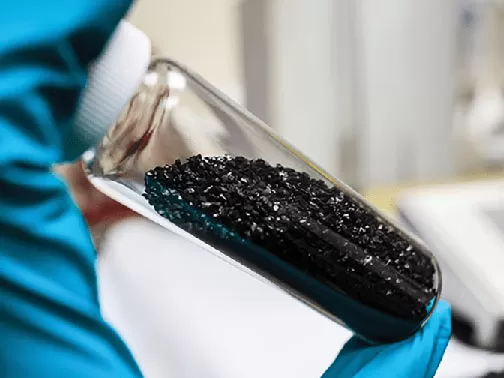
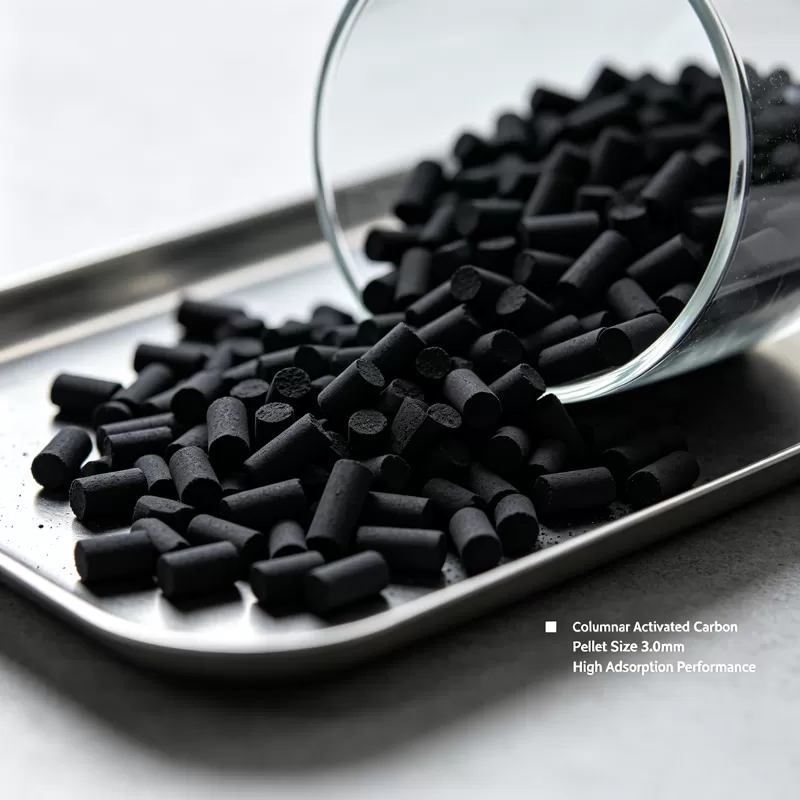
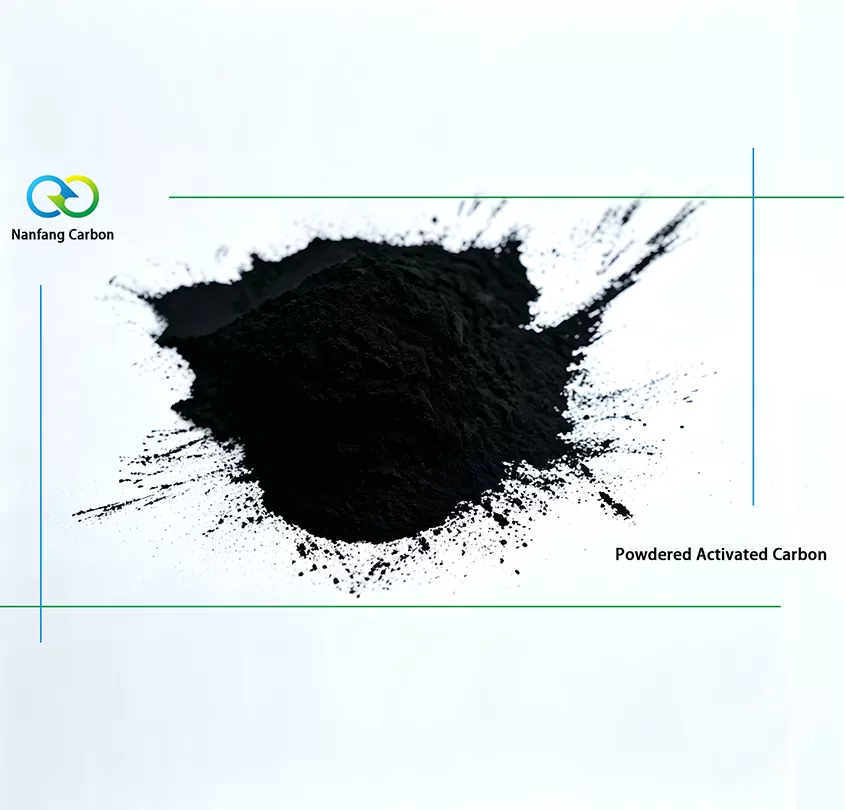
Coconut shell activated carbon powder is a fine, bio-based adsorbent manufactured by thermal activation of selected coconut husks, followed by precision pulverization into a micronized powder. Typically crushed to pass through 200 to 325 mesh screens, it features a predominantly microporous structure (pores under 2 nanometers) and specific surface areas exceeding 1,000 m²/g.
Process engineers utilize this powdered activated carbon (PAC) for direct liquid injection or dry flue gas scrubbing. Unlike granular variants, the micronized format disperses instantly across a process stream, delivering rapid contaminant binding without the footprint of fixed carbon beds.
The Science: Why Material Source and Particle Size Matter
Adsorption performance depends directly on carbon origin and physical form. Selecting the wrong raw material leads to premature bed saturation, high ash leaching, and poor color removal.
Microporous Architecture of Coconut Shells
The original cell structure of mature coconut shells dictates the internal pore network of the finished product. While wood carbon develops large macropores and coal develops an erratic mix of meso- and macropores, coconut shell yields an intensely concentrated micropore network.
Pore Diameter: Up to 85% to 90% of internal voids measure less than 2 nanometers.
Target Contaminants: These dimensions match the molecular radius of volatile organic compounds (VOCs), halogenated hydrocarbons, pesticides, and low-molecular-weight color pigments.
Structural Integrity: The natural density of coconut endocarp limits dusting during processing and yields clean, acid-washable particles with minimal inorganic contamination.
Adsorption Kinetics of the Powder Form
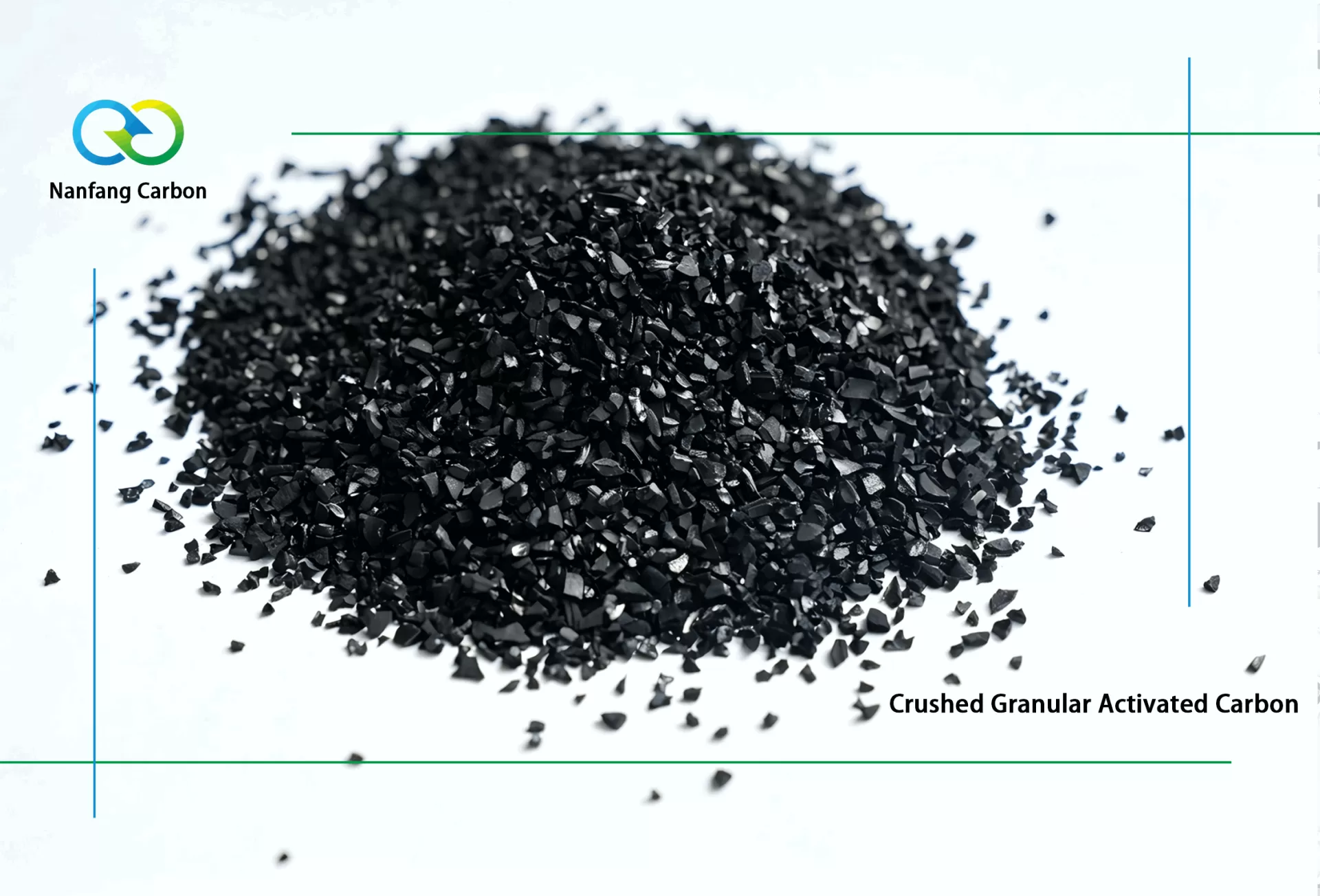
Granular activated carbon (GAC) relies on internal diffusion. Contaminants must navigate deep into the interior of millimeters-wide granules. This mass transfer process takes time, often demanding 10 to 30 minutes of Empty Bed Contact Time (EBCT).
Coconut shell activated carbon powder bypasses this diffusion bottleneck. By reducing the carbon particle size below 75 microns (200 mesh) or 45 microns (325 mesh), the external surface area increases exponentially. Target molecules bind to surface-adjacent micropores within seconds. This rapid equilibrium makes PAC ideal for batch dosing, surge contamination, and process steps where liquid contact time remains brief.
Core Industrial Applications
Industrial facilities choose coconut shell activated carbon powder when process fluid purity must meet stringent quality thresholds without residual contamination.
Industrial Water Purification and Trace Toxin Removal
Municipal and industrial wastewater streams often contain persistent organic pollutants that resist standard biological digestion. This media performs exceptionally well in polishing steps:
PFAS and Micro-Pollutants: It strips short- and long-chain per- and polyfluoroalkyl substances (PFAS) down to parts-per-trillion levels.
Endocrine Disruptors & Pesticides: The tight micropores effectively capture small polar and non-polar agricultural residues.
TOC and COD Reduction: Facilities inject the powder into clarifiers or aeration tanks to hit strict chemical oxygen demand limits before final discharge.
Chemical Decolorization and API Refining
High-purity chemical processing requires adsorbents that leave no mineral residues behind. In active pharmaceutical ingredient (API) synthesis and intermediate manufacturing, chemical decolorization demands surgical accuracy.
Manufacturers feed coconut shell activated carbon powder into batch reactors to strip yellowish tints, unwanted isomers, and catalytic metal residues. Because coconut raw materials contain minimal sulfur and heavy metals, product contamination risks drop significantly compared to coal-based alternatives.
Food and Beverage Purification
Food processing requires clean additives that comply with FDA and Food Chemicals Codex (FCC) standards. Major applications include:
Liquid sugar and corn syrup clarification.
Deodorization and polycyclic aromatic hydrocarbon (PAH) removal in edible oils.
Alcohol and spirits filtration to eliminate haze-forming organic acids and fusel oils.
Specialized Flue Gas Cleaning
Waste-to-energy plants and hazardous incinerators use dry sorbent injection (DSI) systems. Operating teams inject coconut shell activated carbon powder directly into the ductwork upstream of baghouse filters to capture vapor-phase mercury and toxic dioxins before gas leaves the stack.
The B2B Technical Spec Sheet: What to Inspect
When sourcing bulk shipments, procurement managers must look past simple price-per-ton metrics. Adsorption capacity hinges on verified laboratory parameters. Nanfang maintains strict quality checks across all standard and custom-milled production runs to ensure consistent baseline values.
| Technical Parameter | Standard Range | Process Relevance |
|---|---|---|
| Iodine Number | 900 – 1,150+ mg/g | Direct indicator of micropore capacity and overall activity. |
| Particle Size (Mesh) | 200 mesh (90%) / 325 mesh (90%) | Determines slurry suspension speed, contact time, and filter cake resistance. |
| Total Ash Content | < 3.0% – 5.0% | Lower ash prevents secondary heavy metal or silica leaching into process streams. |
| Methylene Blue Value | 120 – 180 mg/g | Measures transition mesopore volume for moderate-sized color body capture. |
| Moisture Content | < 5% (as packed) | Ensures you purchase active material rather than bound shipping water. |
| pH Level | 6.0 – 8.0 (or acid-washed 4.0 – 6.0) | Matches target solution chemistry to prevent unexpected process fluid shifts. |
Acid-washed grades become necessary when downstream processes cannot tolerate trace iron, calcium, or magnesium salts. Standard grades serve general wastewater polishing and industrial batch scrubbing where process fluid pH remains neutral.
Economic Value and ESG Alignment
Plant managers often balance environmental goals against operational budgets. Transitioning from fossil coal carbons to coconut-derived powdered materials yields measurable returns across both areas.
Bio-Based Lifecycle Benefits
Coconut shells are an annually renewable agricultural byproduct. Harvesting them causes no ground degradation or strip mining. Utilizing shell biomass transforms potential agricultural waste into a high-value purification medium, supporting Scope 3 carbon reduction targets and corporate sustainability initiatives.
Reducing Total Cost of Ownership (TCO)
While coconut shell activated carbon powder carries a higher initial cost per metric ton than standard bituminous coal carbon, its real-world system cost often proves lower:
Lower Dosage Rates: A high iodine value activated carbon requires up to 30% less mass injection to clear equivalent contaminant loads.
Reduced Solid Waste: Lower required carbon volumes mean less spent filter cake, saving money on hazardous waste handling, transportation, and landfill disposal fees.
Protected Equipment: Low-silica content reduces mechanical abrasion inside slurry pumps, metering screws, and downstream membranes.
Frequently Asked Questions
Q1: Why choose coconut shell activated carbon powder instead of
coal-based powder?
A1: Coconut shell carbon contains up to 90%
micropores, making it far more effective at capturing small, trace-level organic
contaminants. It also carries significantly lower ash content (typically under
4%) than coal (often 8% to 15%), minimizing the danger of heavy metals leaching
into your final product.
Q2: What mesh size should I specify: 200 mesh or 325
mesh?
A2: Select 200 mesh when you need quick settling, easy cake
formation on rotary drum filters, and lower slurry viscosity. Choose 325 mesh
when reaction times are limited and you need maximum surface contact area for
rapid trace contaminant extraction.
Q3: How does powdered activated carbon (PAC) compare to granular
activated carbon (GAC) in operational costs?
A3: GAC requires
significant capital investment for pressure vessels, piping, and thermal
reactivation services. PAC requires only basic slurry mixing tanks and dry
injection metering systems. PAC suits seasonal operations, fluctuating
contaminant levels, and continuous batch applications with minimal initial
equipment expenditure.
Q4: Can coconut shell activated carbon powder strip large color
molecules from fermentation broths?
A4: Pure coconut shell carbon
targets smaller molecules. If your target color bodies consist of large
macromolecules, you may need a specialized wood-based carbon or a customized
coconut grade modified to enhance mesoporous transport pathways.
Q5: What safety standards apply when storing and handling powdered
carbon?
A5: Like any combustible organic dust, PAC requires proper
handling. Store bags in cool, dry areas away from strong oxidizing agents.
Ground your conveying machinery to mitigate static electricity hazards, and
utilize closed dust extraction networks at dosing points to protect
personnel.
Optimize Your Purification Train Today
Consistent purity standards demand stable, high-grade adsorbents. Choosing coconut shell activated carbon powder gives your plant the adsorption kinetics, high iodine numbers, and clean extraction profiles required for complex industrial challenges.
Nanfang supplies performance-tested activated carbon products engineered to match your plant's exact filtration specifications. Contact our engineering and sales team today to request product Technical Data Sheets (TDS), safety documentation, and trial samples for your laboratory or pilot plant.
.webp)
.webp)