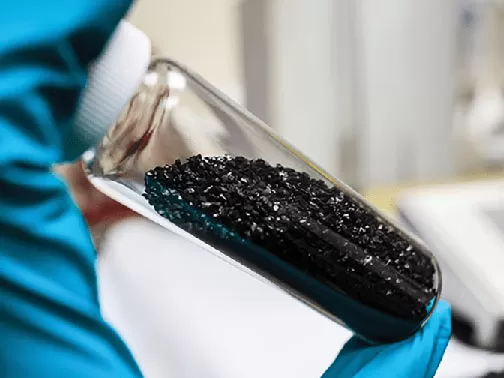
The 2026 Buyer’s Guide to Coal Based Powdered Activated Carbon: Specifications, Pricing & Sourcing
Procuring industrial adsorbents is no longer just about checking an iodine number and securing the lowest unit price. Stricter environmental mandates, such as the EPA's enforceable limits on PFAS and aggressive global standards for flue gas mercury capture, have completely shifted the procurement approach. Buyers must now balance adsorption kinetics, regulatory compliance, and total cost of ownership.
Industrial facilities and municipal plants cannot afford batch inconsistencies or delivery delays. A single off-spec shipment can disrupt clarifying basins, foul membrane filters, or breach air discharge permits. Established manufacturers like Nanfang support plant operators by aligning technical parameters directly with operational demands, eliminating costly trial-and-error runs.
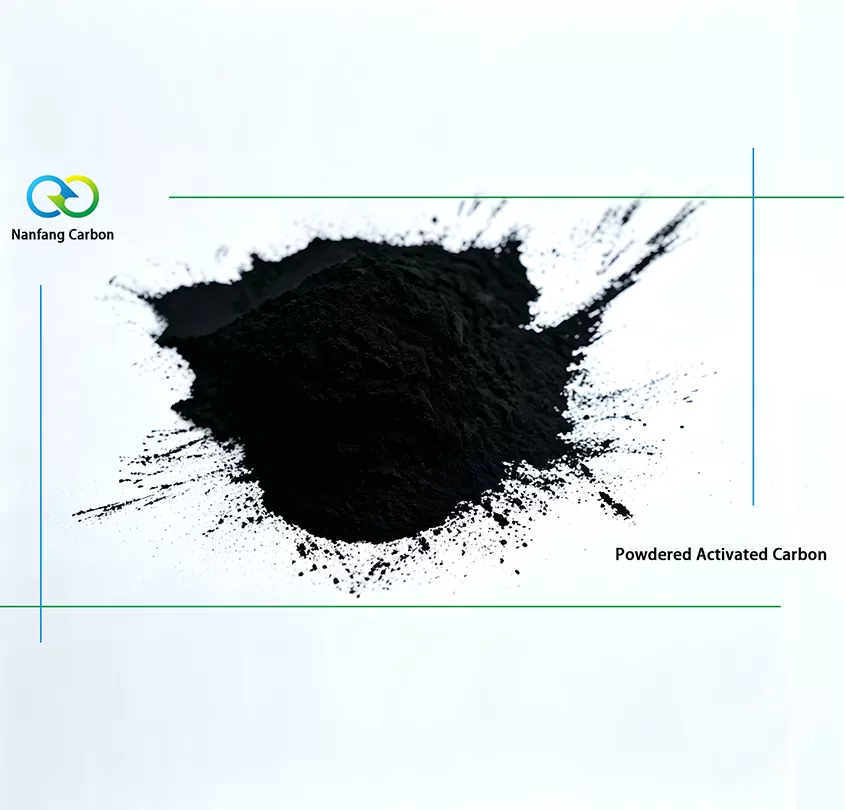
If you are planning your annual supply contracts or re-evaluating your current supply chain, this guide outlines the key technical metrics, market pricing trends, and supplier auditing steps you need for sourcing coal based powdered activated carbon effectively in 2026.
Need an immediate specification review or bulk pricing for an upcoming tender? Submit an inquiry to our technical team for rapid sample dispatch and commercial support.
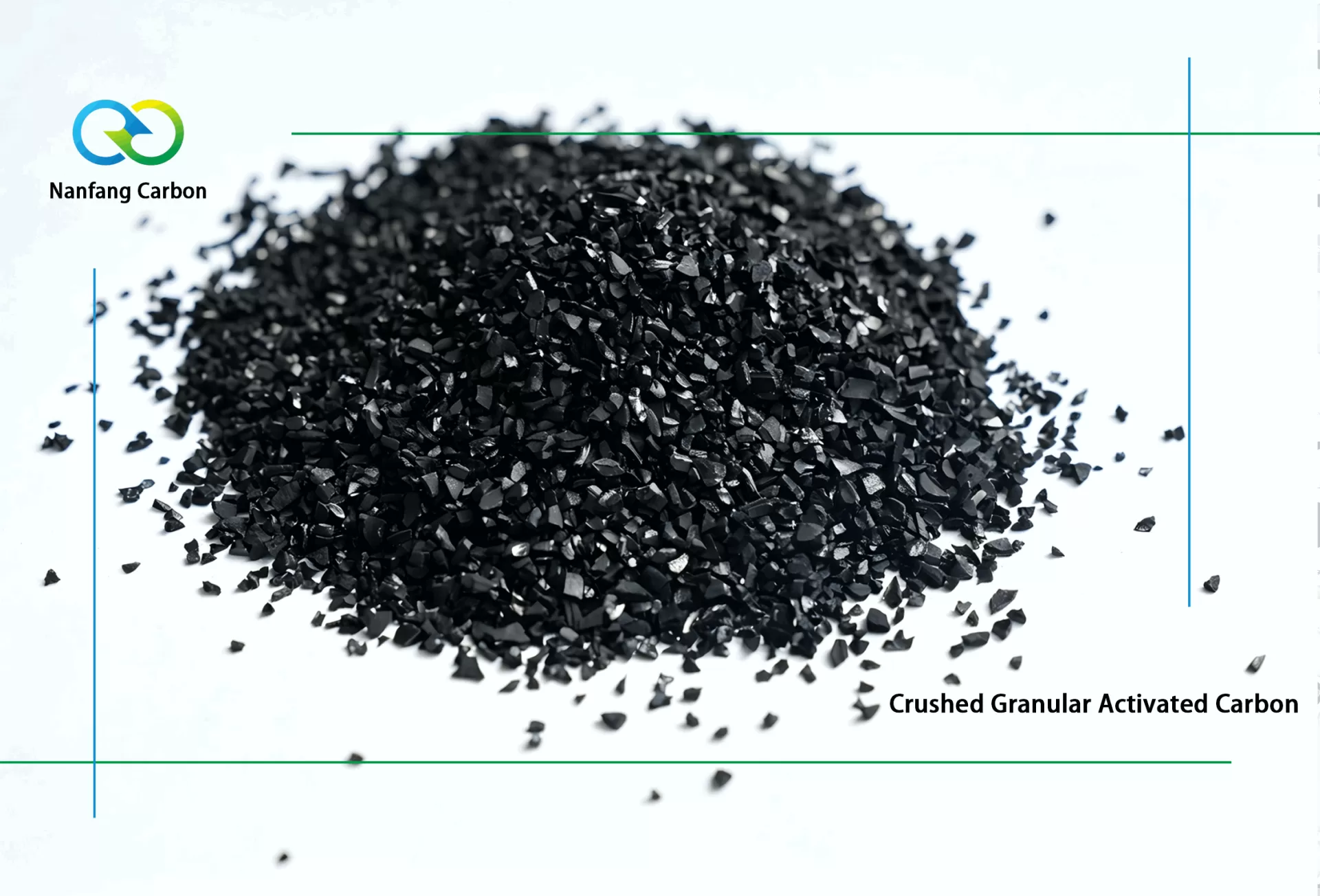
.webp?t=1790664969286 "coal based powdered activated carbon")
2026 Market Dynamics: Why Demand Is Shifting
The global market for coal based powdered activated carbon (PAC) faces two opposing forces. On one side, worldwide decarbonization goals restrict the expansion of raw coal processing plants. On the other side, municipal water systems and thermal treatment plants require record volumes of high-performance powdered carbon to meet micro-pollutant removal requirements.
Municipal water authorities rely heavily on seasonal PAC dosing to combat taste and odor compounds (such as 2-MIB and Geosmin) and emerging per- and polyfluoroalkyl substances (PFAS). Simultaneously, waste-to-energy facilities, metallurgical smelters, and coal-fired utilities consume substantial volumes to capture vapor-phase elemental mercury and dioxins before flue gas reaches the stack.
Because powdered carbon is dosed directly into liquid streams or dry-injected into gas ducts without regeneration, it represents a recurring operational expense. Procurement managers must avoid over-specifying costly premium grades where mid-tier carbon performs identically. Conversely, under-specifying can lead to excessive dosage rates, increased solid waste generation, and elevated sludge disposal fees.
Technical Specifications: How to Read a PAC Certificate of Analysis (COA)
Suppliers often provide generic data sheets that mask operational liabilities. Plant engineers and procurement officers must evaluate every line item on a Certificate of Analysis against their treatment setup.
1. Raw Material Base: Anthracite vs. Bituminous vs. Lignite
The base coal determines the internal pore structure and the baseline mechanical behavior of the finished powder:
Bituminous Coal: The industry standard for broad-spectrum water and wastewater treatment. It develops a balanced pore matrix containing both micro-pores (<2 nm) and meso-pores (2–50 nm). It treats varied organic loads and dissolved organic carbon (DOC) efficiently.
Anthracite Coal: Extremely dense and hard. It produces carbon with a high volume of micropores, ideal for targeting low-molecular-weight volatile organic compounds (VOCs). It typically features lower ash content, though it requires higher energy to activate.
Lignite Coal: Features an open, macroporous structure with lower bulk density. While its adsorption capacity per gram is lower for tiny molecules, it excels at removing large-molecule color bodies and humic acids. However, lignite typically carries higher inherent ash levels.
2. Adsorption Performance Indicators
Iodine Number (ASTM D4607): Ranging from 600 to 1,100 mg/g, this metric measures micropore capacity for molecules smaller than 1.0 nm. For routine flue gas treatment, a 600–700 mg/g product is often cost-effective. For potable water or pharmaceutical wastewater polishing, target 900 mg/g or higher.
Methylene Blue Adsorption: Ranging from 100 to 250 mg/g, this number reflects mesopore availability. If your facility treats textile effluent, landfill leachate, or chemical waste with high COD, focus on this metric rather than iodine alone.
Caramel Decolorization: Essential for chemical synthesis and food/beverage applications. It indicates the carbon's ability to pull large, complex color molecules out of solution.
3. Physical Properties and Risk Controls
Particle Size Distribution (Mesh Size): PAC is typically milled to 90–95% passing -200 mesh (74 microns) or -325 mesh (44 microns). Finer grinds offer faster adsorption kinetics because the internal pores sit closer to the particle exterior. However, excessive superfines (<10 microns) complicate filtration, slow down clarifier settling, and cause filter cake blinding.
Ash Content and Acid Solubles: Coal ash typically ranges from 8% to 18%. High ash displaces active carbon content, meaning you pay for inert mineral matter. Worse, in acidic municipal or industrial processes, unwashed high-ash carbon can leach heavy metals (such as arsenic, iron, or aluminum) into the treated effluent.
Moisture Content: Standard quality control demands moisture below 5% or 8% upon packaging. Purchasing poorly dried carbon means paying freight rates for dead water weight, and it raises the risk of clumping in bulk storage silos and dry feed hoppers.
Apparent (Bulk) Density: Typically 0.40 to 0.55 g/cm³. Bulk density dictates storage bin sizing, dosing feeder calibration, and container shipping payloads.
Cost Drivers and 2026 Pricing Benchmarks
Understanding cost structures gives buyers leverage during contract negotiations. Manufacturers like Nanfang run fully integrated thermal activation processes, which helps cushion the impact of upstream raw material volatility.
The price of finished coal based powdered activated carbon relies on four main cost components:
Feedstock Coal Pricing: Movements in global thermal and metallurgical coal indices directly impact raw material costs. Regions with strict mining safety limits or regional supply quotas see faster upstream price shifts.
Environmental and Energy Compliance: Activating carbon requires sustained kiln temperatures between 850°C and 1000°C using steam. Running continuous emissions monitors (CEMS), waste heat recovery systems, and modern desulfurization scrubbers adds predictable operating costs per metric ton.
Grinding and Milling Energy: Reducing activated char down to -325 mesh requires heavy mechanical energy, which ties operational expenses directly to industrial electricity tariffs.
Packaging Choices: Packaging must match storage capabilities. Standard 25kg multi-wall paper bags offer manual handling flexibility but increase pallet and de-bagging labor. Conversely, 500kg or 1,000kg anti-static Super Sacks optimize container space and feed directly into automated bulk unloading systems.
Projected 2026 Price Benchmarks
Below are standard market estimates for coal based powdered activated carbon shipped in bulk containers (FOB basis). Actual quotes vary based on testing requirements, packaging, and raw material sourcing.
| Product Grade | Target Specs | Primary Application | Estimated FOB Range (USD/MT) |
|---|---|---|---|
| Standard Flue Gas Grade | Iodine: 550–650 mg/g; -200 mesh ≥ 85% | Dioxin/Mercury Flue Gas Injection | $780 – $950 |
| Standard Municipal Grade | Iodine: 800–900 mg/g; -200 mesh ≥ 90% | Potable Water, Coagulation basins | $1,050 – $1,280 |
| High-Performance Industrial Grade | Iodine: 950–1050 mg/g; MB ≥ 180 mg/g | Refractory COD, Chemical Decolorization | $1,300 – $1,550 |
| Specialty Acid-Washed Powder | Iodine: >1000 mg/g; Ash < 5% | High-purity chemical and pharma processes | $1,650 – $2,100 |
Supplier Audit Checklist: Mitigating Sourcing Risks
Vetting a vendor for bulk commodities requires auditing operational capacity, not simply comparing quotes. Use this checklist during your qualification process:
1. Production Integration
Determine whether your supplier is a primary producer or a secondary repacker. Integrated plants run carbonization kilns, steam activation furnaces, and pulverizers on-site. Secondary processing shops buy unwashed char from third parties and simply mill it, resulting in erratic batch-to-batch adsorption capacities.
2. Regional Supply Considerations
Chinese Manufacturers: Provide integrated supply chains, scalable production runs, and consistent cost profiles. Verify that the facility holds active environmental operating permits to avoid unexpected shutdowns during national air-quality alerts.
Indian and Southeast Asian Suppliers: Growing producers for coal and alternative carbons. Confirm they have steady access to quality coal feedstocks rather than relying entirely on imported raw coal.
Domestic European and US Producers: Deliver rapid short-haul logistics and established regional names, but their finished prices can run 30% to 60% higher due to localized energy and processing costs.
3. Regulatory and Quality Certifications
Drinking Water: Verify active NSF/ANSI Standard 61 certification and compliance with AWWA B600 standards. Ask for current extractable heavy metal testing reports.
Chemical Traceability: Ensure compliance with EU REACH regulations if shipping into Europe. Confirm products have complete chemical registration dossiers rather than interim pre-registrations.
Safety & Flammability Testing: Fine carbon dust carries explosion and self-heating hazards. Reliable vendors provide an independent "Non-Self-Heating Substance" certificate for maritime transport, preventing port customs holds and hazardous shipping surcharges.
Application Engineering: Choosing the Right Grade
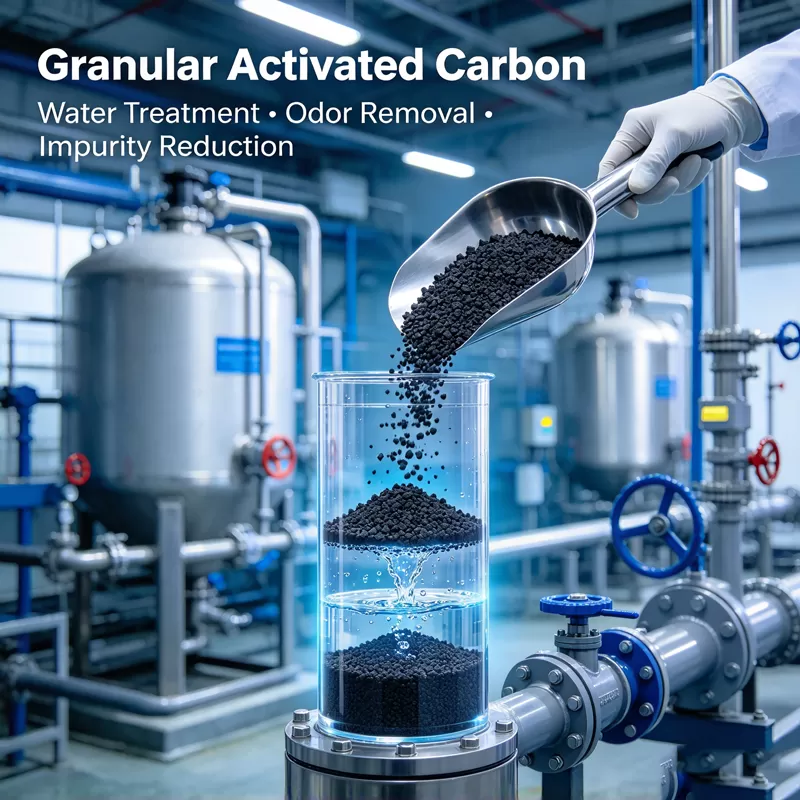
Deploying coal based powdered activated carbon correctly depends heavily on the dynamics of your specific contact system.
Municipal Potable Water Clarification
Municipal dosing is often intermittent, surging during warm months when algal blooms generate 2-MIB and Geosmin. The challenge is reaction time. Because powdered carbon may only contact water for 15 to 45 minutes in the rapid mix or flocculation basin, buyers need a high-iodine, rapid-wetting bituminous powder ground to at least 90% passing -325 mesh. Fast adsorption kinetics allow the carbon to grab contaminants before settling in the sedimentation basin.
Incineration and Coal-Fired Flue Gas Injection
Dry sorbent injection (DSI) systems inject carbon into flue gas ducts upstream of fabric filters or electrostatic precipitators (ESPs). Contact times are exceptionally brief, usually only 1 to 3 seconds in flight, followed by contact on the filter cake. Here, particle distribution and mechanical flowability are critical. The carbon must disperse evenly without clogging pneumatic injector lines. For mercury capture, mid-range iodine grades treated or naturally suited for halogen interaction offer the best balance of cost and removal efficiency.
Complex Industrial Effluent and Dye Processing
Facilities treating textile, dye, or pharmaceutical wastewater deal with complex aromatic molecules and synthetic surfactants. Purely microporous carbons quickly experience pore-mouth blockage, which drops their effective capacity. For these streams, pick a coal based powdered activated carbon showing a methylene blue value above 160 mg/g. The mesopores act as transit highways, allowing heavy organic molecules to reach deep internal capture sites.
Frequently Asked Questions (FAQ)
Q1: What are the main self-heating risks of coal based powdered
activated carbon during sea freight?
A1: Powdered carbon features an
expansive surface area that can oxidize when exposed to air, generating
localized heat. If packaged wet or exposed to high ambient moisture and oxygen
inside shipping containers, it can self-heat. Buyers must require suppliers to
supply an updated UN 3313 test certificate verifying the material is classified
as non-self-heating for maritime shipping.
Q2: Why should plants choose coal-based PAC over wood-based PAC for
water treatment?
A2: Wood-based carbon has an open macroporous
structure suited for large color bodies, but it has a much lower bulk density
(0.25 to 0.35 g/cm³). Coal based powdered activated carbon is denser (around
0.45 to 0.55 g/cm³), meaning it settles much faster in clarification basins. It
also requires smaller storage footprints and delivers higher micropore volume
per cubic meter of storage capacity.
Q3: How does particle size distribution (-200 vs. -325 mesh) impact
operating costs?
A3: A -325 mesh carbon provides higher exterior
surface area and faster adsorption kinetics, which can lower the total pounds of
carbon needed per million gallons treated. However, if your plant uses deep-bed
sand filters downstream, very fine carbon can pass through or cause high
head-loss pressure drops. Balancing kinetics with downstream filtration keeps
operating costs stable.
Q4: How long can bulk bags of coal based powdered activated carbon be
safely stored?
A4: Stored in a dry, well-ventilated warehouse away
from direct sunlight, open flames, and solvent vapors, coal PAC has an
indefinite shelf life. However, industrial facilities typically aim to consume
inventories within 12 to 24 months. Over time, poorly sealed bags absorb
atmospheric moisture and ambient airborne pollutants, lowering virgin
performance.
Q5: Can standard coal PAC remove PFAS compounds down to trace
levels?
A5: Yes, high-iodine bituminous coal PAC effectively
captures long-chain PFAS compounds (like PFOS and PFOA) when applied at proper
contact times and dosages. However, for shorter-chain PFAS variants, plants
typically require higher dosing rates or tailored mesoporous carbon grades to
avoid premature breakthrough.
Streamline Your Carbon Supply with Nanfang
Procurement errors in the activated carbon market lead to operational bottlenecks, compliance risks, and wasted budget. Partnering with a vertically integrated, technically capable manufacturer gives you transparency over raw material sourcing, production controls, and logistics performance.
Nanfang manufactures high-specification coal based powdered activated carbon adapted to your operating setup. Whether you need standard grades for municipal seasonal dosing, acid-washed materials for pure processing, or dry injection grades for gas cleaning, our team provides full COA validation, complete shipping documentation, and reliable container allocations.
Contact our technical sales engineers today to discuss your target specifications, request a trial sample, or lock in competitive volume pricing for your 2026 delivery schedules.
Ready to evaluate our grades or request an RFQ?
Email our supply specialists directly or submit your technical specifications to get a detailed proposal within 24 business hours.
.webp)
.webp)