
The 2026 Sourcing Guide: How to Identify High Quality Activated Carbon for Industrial Applications
Stricter global environmental mandates in 2026 demand higher efficiency from industrial emission systems and water treatment facilities. Plant operators facing stringent VOC caps and tight discharge limits cannot afford media failures. Using substandard adsorption media leads to rapid bed saturation, excessive pressure drops, and unexpected shutdowns.
The industrial market contains a wide variance in carbon media grades. Low-grade suppliers often blend spent, re-activated material with virgin stock or misrepresent performance metrics. This guide outlines how technical buyers can identify high quality activated carbon, audit manufacturer claims, and choose the right media for demanding operational environments.
The 6 Technical Benchmarks of High Quality Activated Carbon
Evaluating industrial adsorption media requires a strict review of laboratory parameters. High-performance media balances surface chemistry, pore structure, and mechanical integrity to ensure predictable service life.
1. Iodine Number and CTC Adsorption
The iodine number test (measured in mg/g according to ASTM D4607) measures micropore volume (pores under 2 nm). It indicates the media's capacity to capture small-molecule contaminants. Industrial-grade virgin carbons typically provide an iodine value between 900 mg/g and 1150+ mg/g.
For vapor-phase systems, CTC adsorption (Carbon Tetrachloride value, ASTM D3467) or butane working capacity (BWC) serves as the primary metric. Premium gas-phase extruded pellets generally maintain a CTC rating between 50% and 80%, depending on the target volatile organic compound (VOC) molecular weight.
2. Methylene Blue Value
Methylene blue adsorption (mg/g or mL) evaluates the mesopore network (2 to 50 nm). Mesopores act as transport highways and capture medium-to-large molecular weight organics, such as dyes, humic acids, and industrial surfactants. A high methylene blue number is critical for wastewater decolorization and chemical purification processes.
3. Mechanical Hardness and Abrasion Resistance
In continuous air handling systems and liquid filtration columns, carbon beds experience physical friction and fluid shear. Low-strength media crushes under bed weight and velocity, generating fine dust that clogs downstream particulate filters and increases system backpressure.
Virgin coal and coconut shell products must maintain a hardness number above 95% to 98% (ASTM D3802). Robust mechanical integrity prevents bed channeling and extends media lifecycle between changeouts.
4. Ash and Moisture Content Control
Ash consists of non-carbon inorganic minerals (such as iron, silica, and alumina) left behind after carbonization:
Standard Coal Carbon: Typically contains 8% to 15% ash.
Acid-Washed Carbon: Ash content drops below 3% to 5%, preventing mineral leaching into purified process fluids.
Moisture Content: Should stay below 3% to 5% at packaging. Excess water adds unneeded shipping weight and reduces initial adsorption capacity.
5. Pore Size Distribution
Surface area alone does not guarantee performance. Effective media relies on a balanced distribution across three pore zones:
Micropores (< 2 nm): Provide adsorption capture sites for small gas molecules and light hydrocarbons.
Mesopores (2–50 nm): Serve as transport conduits and capture larger organic complexes.
Macropores (> 50 nm): Act as entry pathways that let fluid diffuse quickly into the particle interior.
Premium media matches pore architecture to the specific kinetic diameter of your target pollutant.
6. BET Specific Surface Area
Standard Brunauer-Emmett-Teller (BET) nitrogen adsorption tests measure the total functional area accessible to gases. For high quality activated carbon, BET surface area generally ranges from 900 m²/g to over 1,200 m²/g. Premium grades ensure that this surface area contains active, unblocked functional groups.
Material vs. Application Matching
Choosing the correct raw precursor is just as critical as raw adsorption metrics. Selecting between coconut shell vs coal vs wood activated carbon depends directly on your process dynamics.
Coal-Based Activated Carbon
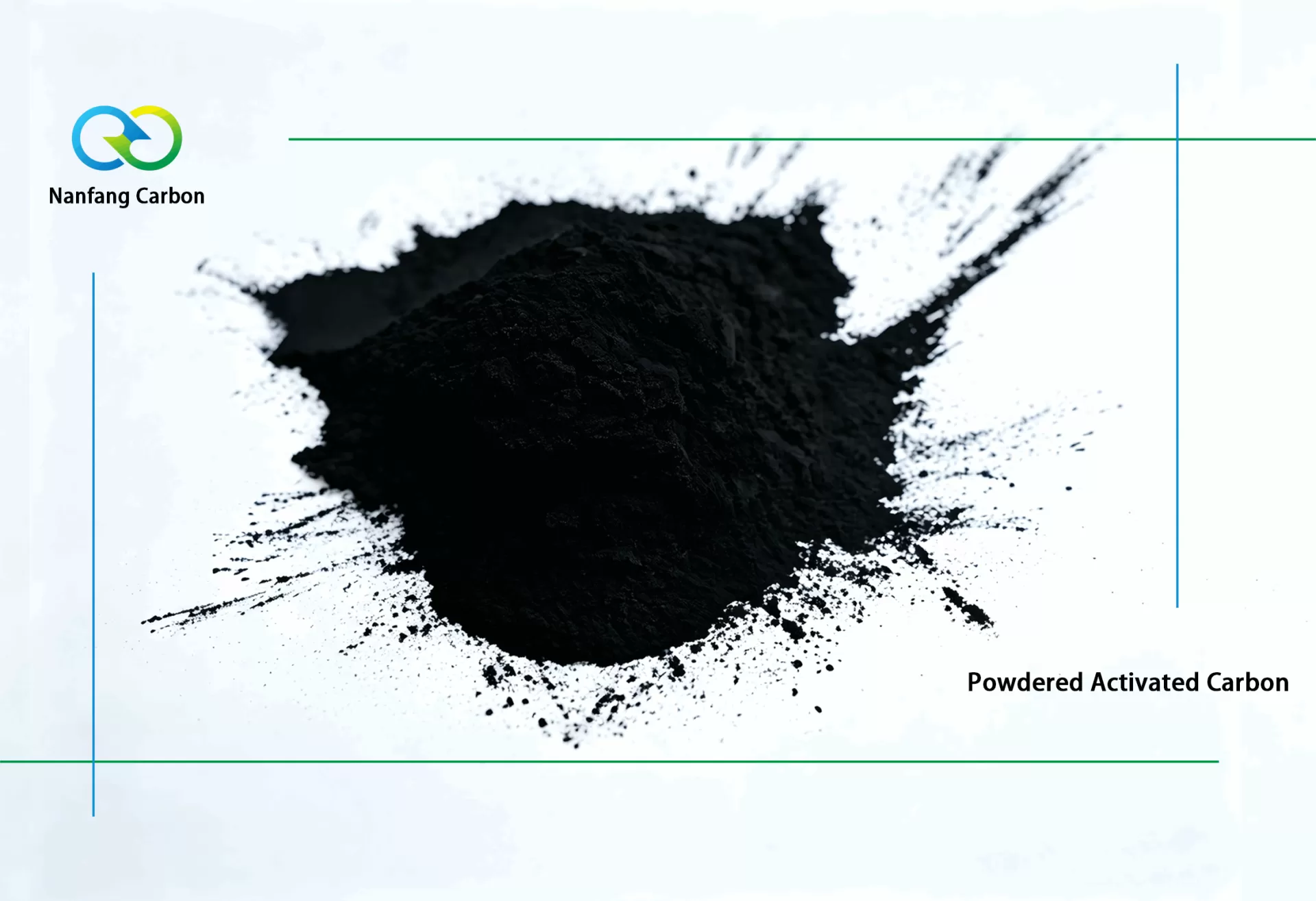
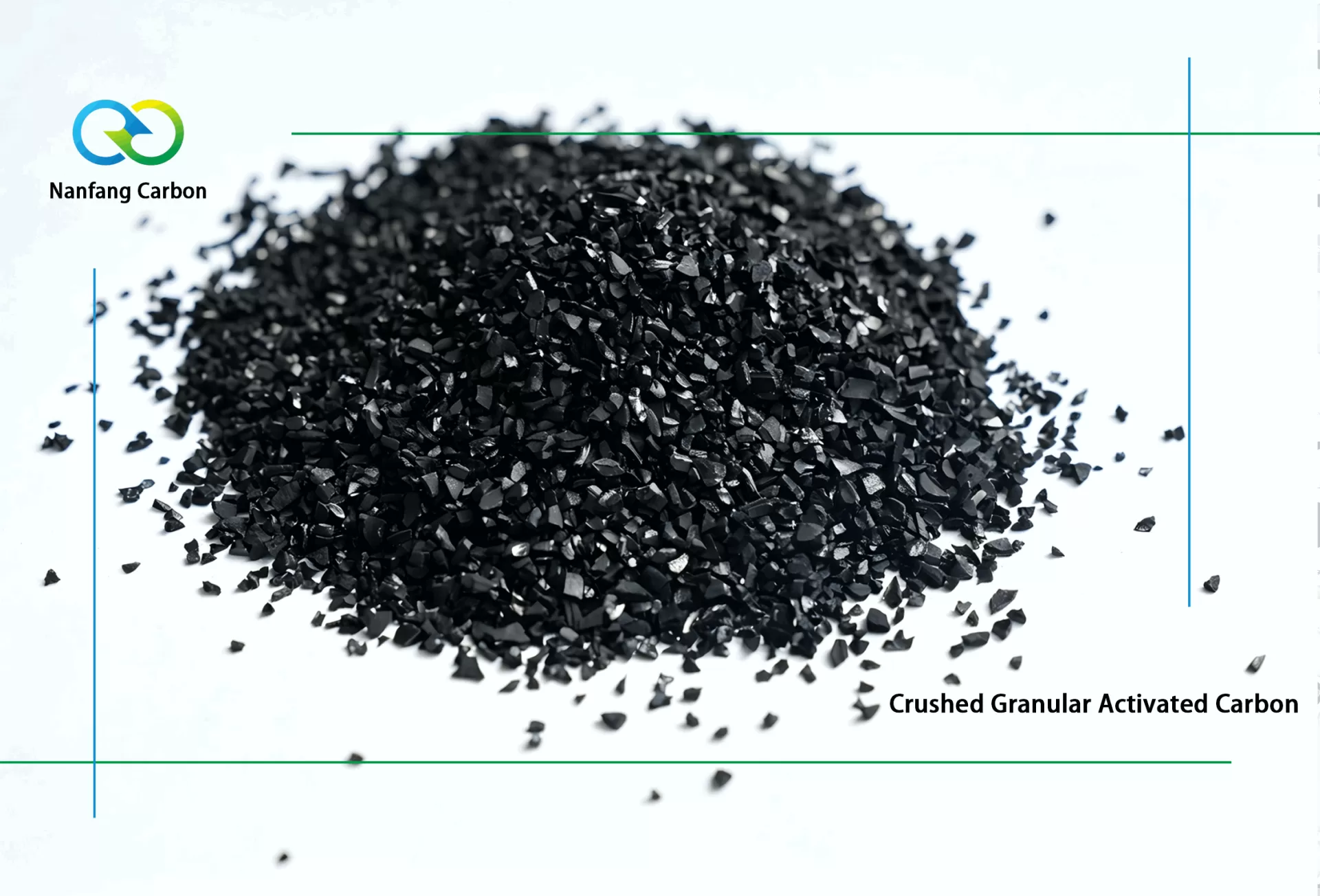
Bituminous and anthracite coal precursors yield dense, mechanically tough carbons with a balanced mix of micropores and mesopores. Available as extruded pellets (cylindrical), granular (GAC), and powder (PAC).
Primary Uses: High-volume industrial VOC recovery, municipal wastewater plants, municipal flue gas cleaning, and chemical process filters.
Key Advantage: High bulk density, excellent bed stability, and cost-effective performance in heavy industrial filtration.
Wood-Based Activated Carbon
Manufactured via phosphoric acid or steam activation of selected hardwoods and sawdust. Wood-based media naturally develops a predominantly mesoporous matrix with low inorganic impurities.
Primary Uses: Decolorization in liquid chemicals, food and beverage refinement, pharmaceutical intermediates, and high-flow wastewater streams.
Key Advantage: Fast adsorption kinetics for large organic molecules and low overall rinse-water requirements.
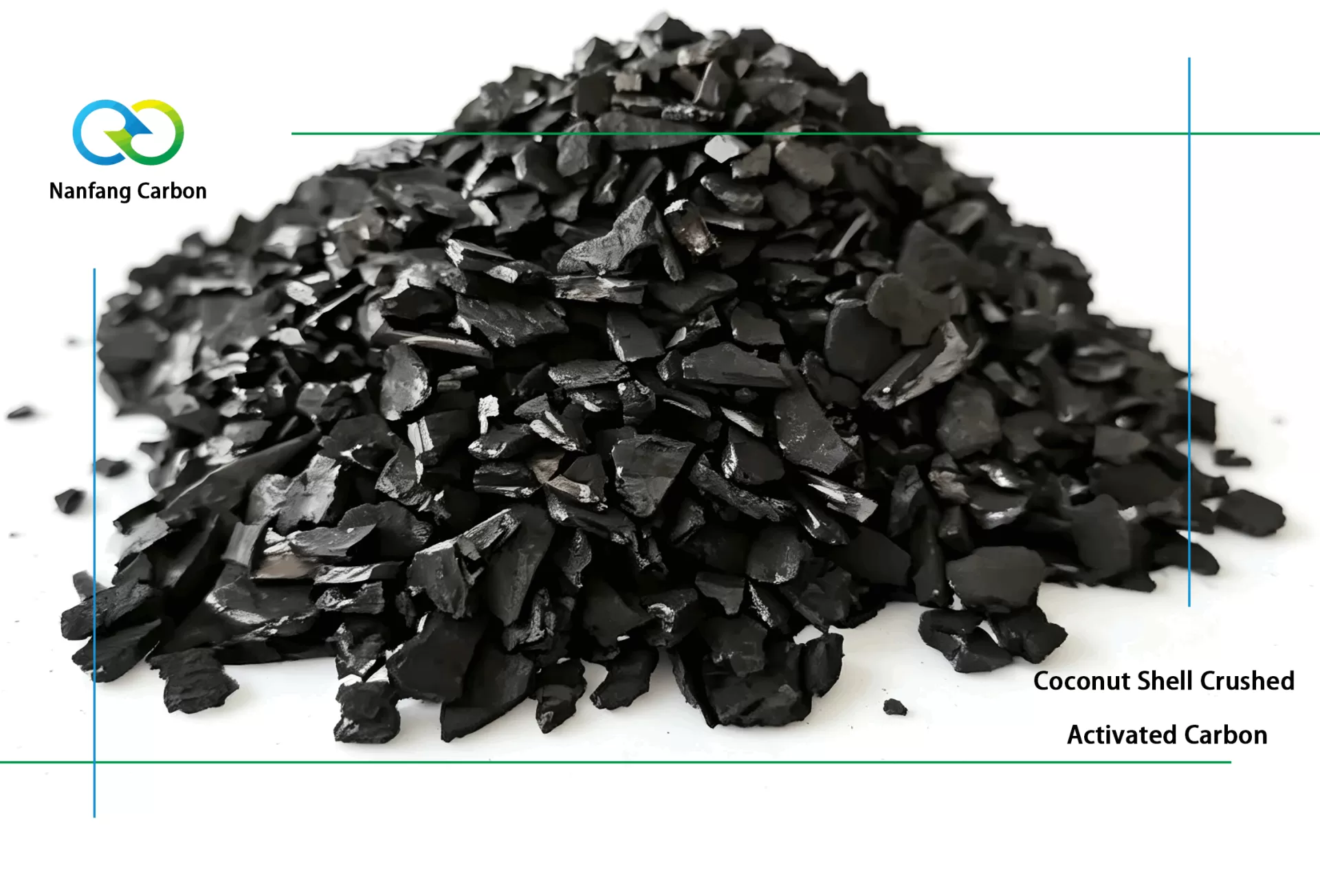
Coconut Shell Activated Carbon
Derived from dense coconut shells, this carbon features tight microporosity, low dust generation, and high abrasion resistance.
Primary Uses: Precious metal recovery (gold extraction), drinking water polishing, condensate water purification, and catalyst support applications.
Key Advantage: High hardness, minimal dusting, and superior capture of low-concentration, small-molecule contaminants.
As an integrated Chinese manufacturer, Nanfang processes bituminous coal, wood, and shell precursors across dedicated product lines to deliver target pore configurations for specific industrial applications.
2026 Sourcing Red Flags: Spotting Low-Quality and Recycled Media
Procurement teams must identify poor-quality media before it enters process vessels. Watch out for these three common supplier issues:
1. Blended Spent or Reactivated Carbon Sold as Virgin
Some low-tier distributors blend thermal-reactivated spent carbon with virgin stock to cut costs. Reactivated carbon often carries residual heavy metals, has weakened pore walls, and breaks down quickly under operational stress. If a supplier cannot trace their product back to virgin raw materials, treat the lot with caution.
2. Inflated Technical Data Sheets
A supplier may issue a generic Certificate of Analysis (COA) showing an iodine value of 1,050 mg/g, while the actual shipped material tests at 750 mg/g. Always require lot-specific batch test reports produced by accredited quality laboratories.
3. High Soluble Ash and Leaching
Unwashed, low-grade coal carbons can leach silica, iron, and heavy metals into process liquids. In ultra-pure water systems or acidic chemical streams, this leaching can poison downstream catalyst beds or violate effluent discharge limits.
Quick Verification Procedures for In-House Teams
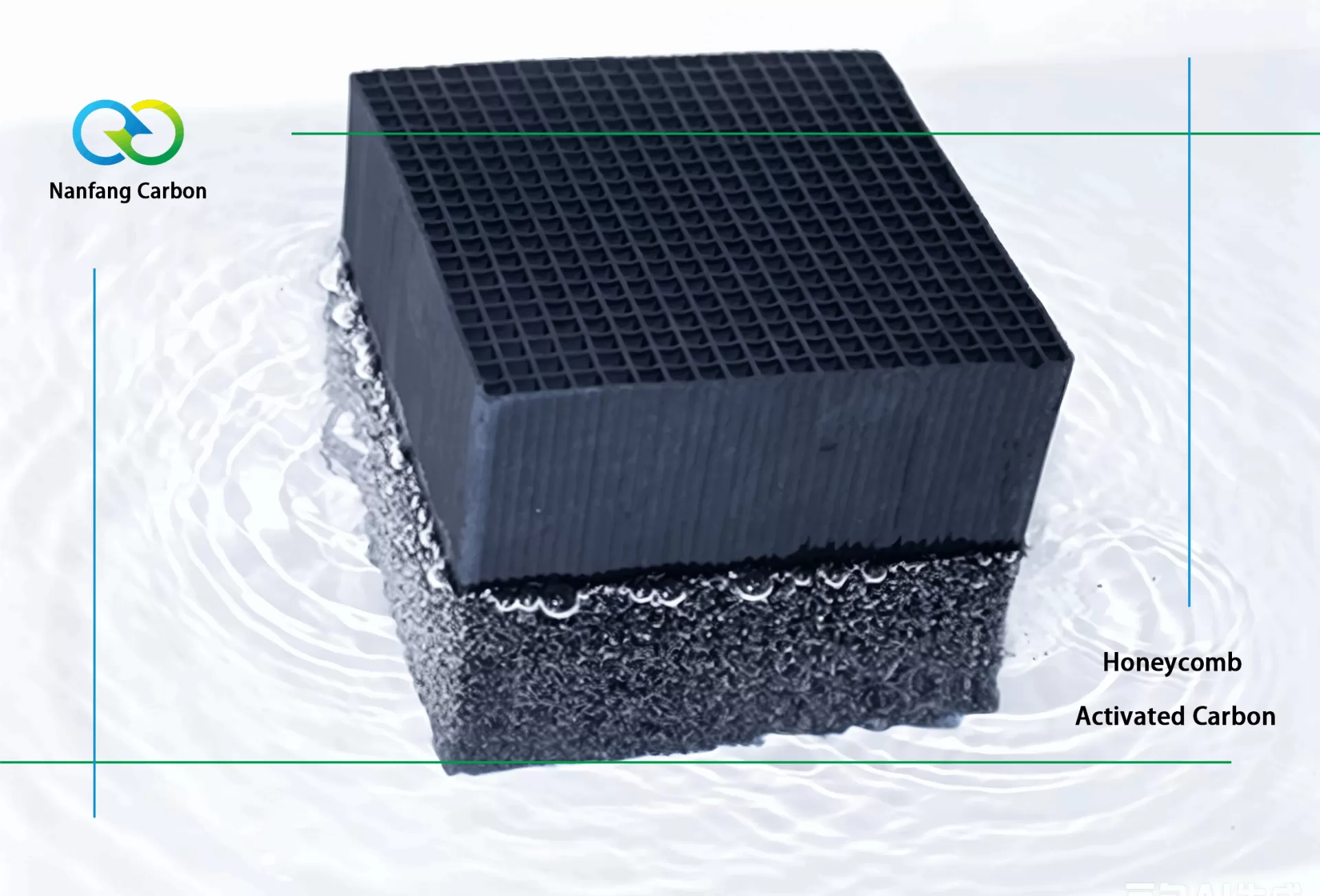
The Float Test: Drop a dry sample into water. Virgin, highly microporous carbon produces vigorous effervescence (bubbling) as air escapes the micro-channels. High-ash or spent carbon sinks faster with little bubbling.
Crush and Dust Test: Rub several pellets or granules between your fingers. Low-hardness carbon crushes into a fine, pasty dust, signaling low mechanical strength.
Independent Laboratory Auditing: Periodically send composite samples to third-party testing labs to verify ASTM parameters (Iodine, CTC, Total Ash, Apparent Density).
How to Audit an Activated Carbon Manufacturer
Securing reliable supply requires auditing factory capabilities directly. When conducting industrial activated carbon sourcing in 2026, evaluate vendors against these three operational criteria:
1. Production Scale and Furnace Infrastructure
Examine whether the plant operates modern carbonization kilns and high-temperature activation furnaces (such as rotary kilns and SLEP furnaces). Integrated thermal control guarantees uniform steam distribution, which maintains pore consistency across production lots.
2. Laboratory Testing and Quality Protocols
Verify that the manufacturer maintains an on-site laboratory staffed with quality control technicians. The facility should run standardized tests for each batch, including sieve distribution, moisture, volatile matter, iodine value, and CTC adsorption.
3. End-to-End Supply Chain Ownership
Partnering with a fully direct factory eliminates intermediary markups, improves batch consistency, and provides clear material traceability from raw precursor to packaged media.
Why Industrial Plants Partner with Nanfang
Selecting an experienced manufacturing partner is the most effective way to secure high-performance adsorption media. Nanfang brings extensive technical experience to industrial carbon production:
Established Track Record (Since 1999): With more than two decades of dedicated manufacturing experience, Nanfang develops complete adsorption solutions tailored to complex chemical and environmental processes.
Three Modern Manufacturing Bases: Our production centers in Liyang, Jingde, and Huaibei utilize modern automated activation lines. This distributed footprint secures raw material access, ensures continuous output, and maintains dependable delivery timelines for international clients.
Full-Chain Manufacturing Control: Nanfang manages every production phase internally, from raw material grading and thermal activation to screening, acid-washing, and packaging. Direct factory ownership guarantees consistent quality and competitive pricing.
Custom Material Engineering: We formulate specialty media to match client specifications. Our capabilities include tailored pore sizes, acid-washed low-ash grades, customized pellet diameters (1.5 mm to 8.0 mm), and chemical impregnation (such as KOH, KI, or sulfur) for specific gas abatement duties.
Strict Quality Assurance: Every production lot undergoes multi-point testing before dispatch, ensuring that all physical and chemical properties meet stated industrial specifications.
Frequently Asked Questions
Q1: What is the main difference between Iodine Number and CTC
Value?
A1: The iodine number measures the
adsorption of small liquid-phase molecules, which directly reflects micropore
volume below 2 nm. CTC (Carbon Tetrachloride) measures the media's vapor-phase
adsorption capacity for volatile organic molecules. Liquid applications
primarily rely on iodine and methylene blue ratings, while gas-phase systems
require CTC and butane values to determine effective bed life.
Q2: How can I tell if a shipment contains recycled carbon instead of
virgin media?
A2: Virgin media features uniform
color, low dust, and high mechanical hardness. Reactivated carbon often contains
discolored particles, higher baseline ash, broken granules, and lower
effervescence in water. Requesting detailed lot-specific COAs and running an
ASTM bulk density and hardness test will quickly show whether the media has been
degraded by multiple thermal cycles.
Q3: Why is mechanical hardness critical for VOC vapor phase
systems?
A3: High-velocity industrial fans create
continuous vibration within the carbon bed. Media with poor abrasion resistance
breaks down into fine dust. This dust fills the voids between particles, which
increases system pressure drops, strains process blowers, causes gas channeling,
and shortens the operational run time.
Q4: Can activated carbon pore structures be customized for specific
chemical streams?
A4: Yes. By adjusting raw
materials (coal, wood, coconut shell), activation temperature, steam dwell time,
and chemical impregnation methods, manufacturers can control the ratio of
micropores to mesopores. This customization matches the media's adsorption
energy to the molecular size of specific target pollutants.
Q5: What are the standard packaging and logistics considerations for
export orders?
A5: Industrial carbon is typically
packaged in 25 kg poly-woven bags or 500 kg/1000 kg bulk super sacks with
moisture-resistant inner liners. Working directly with an established
activated carbon manufacturer China ensures proper palletizing,
container load optimization, and full compliance with international maritime
shipping standards.
Upgrade Your Industrial Adsorption Performance
Procuring reliable carbon media is an ongoing operational investment. Choosing the right material ensures stable process uptime, reliable emissions compliance, and lower lifetime filtration costs.
Contact the engineering and technical team at Nanfang to discuss your process requirements. Request detailed technical datasheets, order qualification samples, or consult directly on engineered carbon media for your plant's needs.
.webp)