
Powdered Activated Carbon Price: Industrial Buyer's Cost & Specification Guide
Procuring powdered activated carbon (PAC) for industrial applications requires a deep understanding of manufacturing processes, raw material origins, and performance characteristics. Industrial buyers across municipal water treatment, waste incineration, and chemical purification sectors often encounter substantial variations in quotations. Evaluating a powdered activated carbon price requires looking beyond the baseline cost per metric ton and analyzing the structural, physical, and chemical parameters that govern operational efficiency.
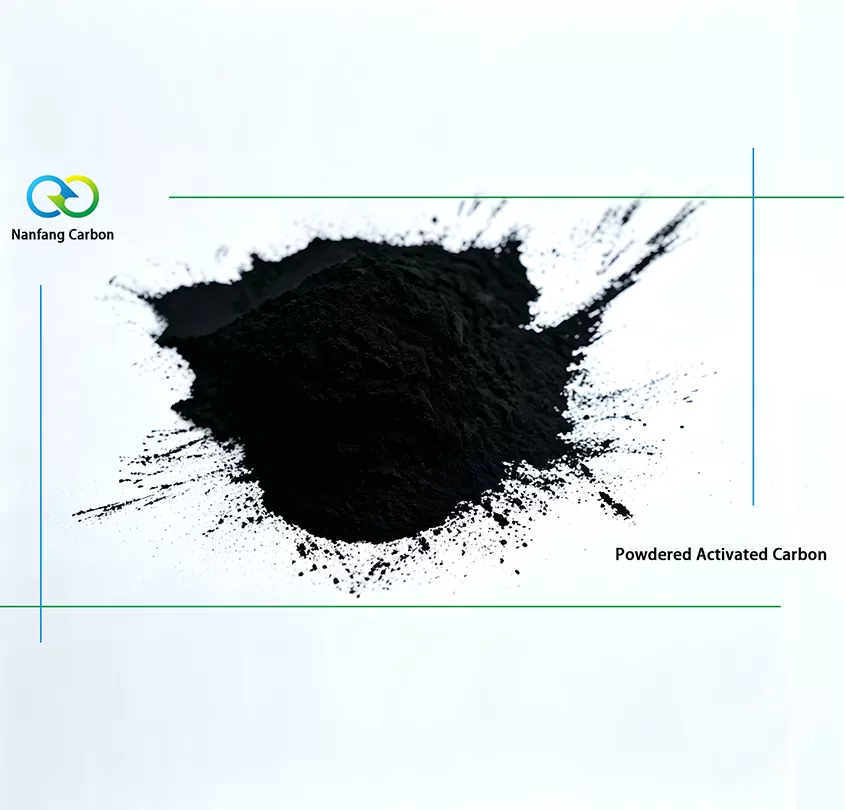
Powdered activated carbon consists of finely ground particles, typically with a particle size distribution where more than 90% passes through a 200-mesh or 325-mesh sieve (74 to 44 microns). The micro-particulate nature of PAC provides rapid adsorption kinetics, making it suitable for direct injection systems and batch treatment processes. However, the economics of sourcing this material depend heavily on feedstocks, thermal activation methods, quality assurance parameters, and shipping logistics. Producers like Nanfang manufacture varied grades to match specific industry tolerances, demonstrating that cost correlates directly with functional capability.
Raw Material Selection and Its Direct Effect on Powdered Activated Carbon
Price
The primary driver of the powdered activated carbon price is the precursor material used in manufacturing. Activated carbon can be derived from almost any carbonaceous material, but commercial production relies on three primary sources: coal, wood, and coconut shells. Each feedstock imparts unique pore structures, ash content levels, and mechanical properties, directly dictating both production expenses and target applications.
Coal-Based Feedstocks
Coal remains the most widely used precursor for high-volume, cost-sensitive applications. Manufacturers utilize several grades of coal, each presenting distinct economic profiles:
Bituminous Coal: Offers a well-balanced distribution of micropores and mesopores. It serves as the standard choice for continuous municipal wastewater operations and industrial effluent polishing. Its pricing reflects steady global coal indices and standard thermal activation yields.
Anthracite Coal: Characterized by high fixed carbon content and lower volatile matter. It requires prolonged activation times to develop sufficient porosity, resulting in higher processing energy costs, though it delivers dense particles with low attrition.
Lignite Coal: Yields a carbon with an open pore structure rich in mesopores and macropores. Lignite-derived PAC excels in removing large molecular weight organics and color bodies, frequently utilized in heavy industrial wastewater streams. Because lignite has lower initial carbon density, the yield per ton of raw material is lower, which influences the final invoice calculation.
Wood-Based Feedstocks
Wood-derived powdered activated carbon is typically manufactured via chemical activation using phosphoric acid or thermal activation using steam. Sourced from sustainable forestry byproducts, sawdust, or selected hardwoods, wood PAC features an open mesoporous structure. This makes it suitable for decolorization in food and beverage processing, such as sugar refining, edible oil treatment, and organic acid purification. Wood-based PAC generally commands a higher price per ton than standard coal-based alternatives due to lower bulk density, specialized chemical activation recovery systems, and stringent purity washings required for food-grade compliance.
Coconut Shell Feedstocks
Coconut shells yield the hardest, most predominantly microporous activated carbons. While coconut shell carbon is predominantly sold in granular or extruded forms, specific high-purity powdered variations exist for specialized applications, including precious metal recovery and high-purity pharmaceutical intermediates. Coconut shell PAC incurs higher raw material acquisition costs, influenced by agricultural harvests, regional availability in Southeast Asia, and intensive crushing and pulverizing procedures required to achieve 325-mesh sizing.
Key Metrics Defining Commercial Valuation
Industrial procurement teams must evaluate performance indicators against operating demands. A low initial purchase cost often conceals poor adsorption capacity, requiring higher dosing rates that increase total operational expenditure. The following parameters dictate the price index of commercial-grade PAC:
Iodine Number (mg/g): Measuring micropore capacity (pores smaller than 2 nm), standard industrial grades range from 500 mg/g to over 1,100 mg/g. Higher iodine numbers require higher activation burn-off or higher chemical reagent ratios, which raises the final rate.
Methylene Blue Value (mg/g or mL): Reflects the mesopore structure (2 to 50 nm), indicating the carbon's ability to adsorb medium-to-large organic compounds, dyes, and complex surfactants. High methylene blue values are standard in premium decolorizing grades, raising production costs.
Apparent Bulk Density: Coal-based PAC typically ranges from 0.40 to 0.55 g/cm³, whereas wood-based PAC can be as light as 0.25 to 0.38 g/cm³. Dosing systems calibrate on volume or weight; lighter carbons provide more surface particles per kilogram but require specialized volumetric feeder adjustments and larger storage silos.
Ash Content and Composition: Standard industrial coal PAC contains 8% to 15% ash. Acid-washed or high-purity grades feature ash levels below 3% to 5%. Lowering the ash content requires acid leaching and multiple demineralized water rinses, an operational step that directly increases processing costs.
Moisture Content: Standard dry PAC is shipped with a maximum moisture content of 5% to 8%. However, for safety in handling self-heating materials or to minimize dust in specific industrial plants, wet-dampened PAC (containing 40% to 50% water) is supplied. Dampened carbon reduces airborne dust, but freight economics shift because buyers transport significant water weight.
Manufacturing Processes: Steam vs. Chemical Activation
The method used to transform carbonaceous material into high-surface-area adsorbent material forms a major portion of overall operational expense. Producers utilize thermal activation, chemical activation, or hybrid methodologies.
High-Temperature Thermal Steam Activation
Thermal activation involves carbonizing raw feedstock at elevated temperatures, followed by controlled oxidation inside rotary kilns or multiple-hearth furnaces at temperatures ranging between 850°C and 1,000°C. Superheated steam is injected into the reaction zone, driving the water-gas shift reaction:
C + H2O → CO + H2
This reaction selectively erodes carbon atoms from the matrix, developing internal porosity. Maintaining continuous thermal energy inputs requires substantial natural gas, fuel oil, or coal. As energy markets fluctuate, the baseline powdered activated carbon price adjusts accordingly to cover industrial kiln operations.
Chemical Impregnation Activation
Chemical activation occurs primarily with uncarbonized cellulosic materials like sawdust. The precursor is impregnated with a dehydrating agent, most commonly phosphoric acid (H3PO4), and subjected to moderate thermal treatment between 400°C and 600°C. The acid alters pyrolytic decomposition, preventing tar formation and expanding the internal matrix.
Following thermal exposure, the residual acid must be thoroughly extracted and recycled through closed-loop recovery circuits. Environmental control systems, acid recovery efficiency, and water neutralization steps introduce significant capital and operating requirements, establishing a higher price ceiling for chemically activated wood grades compared to basic steam-activated coal products.
Global Supply Dynamics and Powdered Activated Carbon Price Trends
The international marketplace for powdered activated carbon is shaped by industrial environmental regulations, energy policies, raw material supply lines, and freight conditions. Large-scale producers, including Nanfang, operate under strict environmental oversight, where investments in emissions control influence baseline manufacturing metrics.
Environmental enforcement in primary manufacturing hubs has eliminated small, inefficient kilns lacking flue gas treatment systems. Modern facilities must operate sulfur dioxide (SO2) scrubbers, selective non-catalytic reduction (SNCR) for nitrogen oxides (NOx), and baghouse dust collection arrays to remain compliant. These environmental investments increase operational capital requirements while stabilizing the global supply chain against sudden regulatory closures.
Logistics and packaging also factor heavily into delivered landed costs. Common packaging choices include:
25 kg Multi-Wall Paper Valve Bags: Palletized and shrink-wrapped, providing straightforward handling for facilities without bulk unloading infrastructure, though carrying the highest packaging labor cost per metric ton.
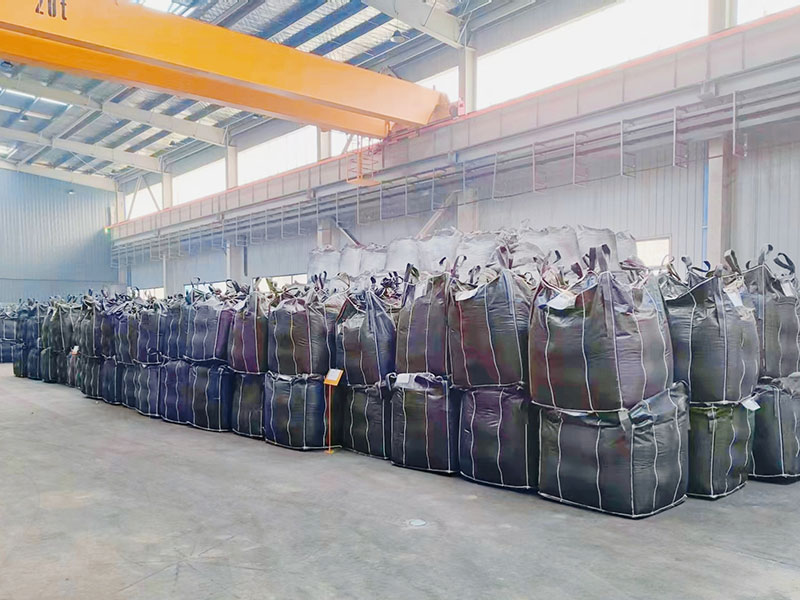
Bulk Super Sacks (Jumbo Bags): 500 kg to 1,000 kg polypropylene woven bags equipped with discharge spouts, optimizing handling speed and reducing packaging surcharges.
Pneumatic Bulk Tanker Trucks: Delivered directly to on-site dry bulk storage silos for large-scale operations like municipal water plants, eliminating secondary packaging costs entirely.
Matching PAC Specifications to Operational Requirements
Procuring the proper grade requires balancing cost with operational parameters. Over-specifying performance characteristics inflates procurement budgets, while under-specifying leads to excessive dosing, premature filter blinding, and regulatory non-compliance.
Municipal Potable Water Purification
Municipal facilities use PAC intermittently to address seasonal taste and odor (T&O) spikes caused by geosmin and 2-methylisoborneol (MIB), or to remove agricultural runoff containing pesticides and natural organic matter (NOM). Coal-based or wood-based grades with an iodine number between 800 and 1,000 mg/g and a controlled sub-45-micron particle distribution ensure rapid adsorption during the brief contact time available in flash-mixing basins before clarification and sand filtration.
Flue Gas Cleaning and Mercury Abatement
Coal-fired power plants, municipal solid waste incinerators, and hazardous waste processing facilities inject PAC into flue gas ducts upstream of fabric filters or electrostatic precipitators to capture vapor-phase mercury, dioxins, and furans. Standard coal-based PAC or chemically modified (brominated or sulfur-impregnated) PAC is used. Brominated additives boost mercury capture efficiency at elevated temperatures, which increases the unit purchase price but significantly reduces the overall injection rate (lb/MMFtx3), generating net operational savings.
Industrial Wastewater and Decolorization
Textile, chemical, and pharmaceutical manufacturing facilities produce effluent streams with high Chemical Oxygen Demand (COD), synthetic dyes, and trace organic toxins. In these settings, mesoporous coal or wood PAC targets complex aromatic rings and heavy molecular complexes that pass through conventional biological treatment systems.
Procurement Strategies to Manage Powdered Activated Carbon Price Volatility
Purchasing managers can implement several structured strategies to stabilize budgeting and maintain continuous delivery across extended operational cycles:
Contract Structuring: Establishing long-term index-linked supply agreements rather than relying on spot market purchases smooths out seasonal price volatility and guarantees manufacturing capacity during peak demand periods.
Particle Size Optimization: Fine-tuning target grind sizes (e.g., specifying a 90% pass through 325-mesh instead of a custom 400-mesh grind) avoids unnecessary milling energy surcharges while meeting required mass transfer rates.
Bulk Volume Consolidation: Purchasing full container loads (FCL) or utilizing bulk bag shipments reduces per-ton handling charges and minimizes packaging waste processing fees at the receiving site.
Performance-Based Dosing Evaluations: Conducting regular jar tests to calculate the exact equilibrium adsorption isotherms (Freundlich or Langmuir) ensures operators dose based on verified adsorption capacity rather than gross volume.
Frequently Asked Questions
Why does the powdered activated carbon price vary between coal and wood sources?
Wood-based PAC requires specialized chemical activation or specific wood selection processes that yield high mesoporosity for large molecule adsorption, along with low bulk density and food-grade washing protocols. Coal-based PAC relies on abundant mineral reserves processed via high-temperature steam kilns, resulting in a dense, predominantly microporous structure produced at higher single-run volume, making coal options more cost-effective for high-throughput applications.
How does particle size distribution impact the purchasing cost of PAC?
Standard industrial PAC is milled to pass 80% to 90% through a 200-mesh screen. Finer specifications, such as 95% or 99% passing through 325-mesh, require additional secondary milling, air classification, and dust control protocols. This additional processing consumes more electrical power and reduces mill throughput, creating a higher price per ton for ultra-fine powders.
Does a higher iodine value always justify a higher purchase price?
Not across all applications. A high iodine number indicates extensive micropore development (pores < 2 nm), which is ideal for capturing small molecules like volatile organic compounds (VOCs) and trihalomethanes. However, if your treatment target involves large molecular color bodies, humic acids, or complex dyes, mesopore capacity (measured by Methylene Blue or Molasses Number) is the controlling factor. Paying a premium for an ultra-high iodine number yields no process benefit if the contaminant molecules cannot physically enter micropores.
What shipping options offer the most economical freight for bulk PAC?
Bulk super sacks (jumbo bags of 500 kg to 1,000 kg) loaded into 40-foot high-cube sea containers provide the best balance of low packaging cost and maximum volume utilization for international freight. For domestic, regional transport to high-consumption facilities, bulk pneumatic tank trucks eliminate packaging expenses entirely and deliver directly into active storage silos.
How can industrial users verify that incoming PAC meets agreed specifications?
Facilities should demand a comprehensive Certificate of Analysis (COA) per production lot, verifying standard testing protocols (such as ASTM D4607 for Iodine Number and ASTM D2867 for Moisture Content). Implementing site quality verification through random sampling and internal testing for moisture, ash content, and single-point adsorption kinetics ensures that delivered shipments match contracted specifications.
Initiate Your Sourcing Evaluation with Nanfang
Selecting the proper powdered activated carbon balance requires aligning process engineering with commercial supply capabilities. Nanfang provides consistent, high-performance activated carbon solutions tailored to municipal water processing, industrial flue gas remediation, and custom purification challenges worldwide.
Submit your target adsorption specifications, current operating parameters, and anticipated volume requirements to our application specialists. We will deliver comprehensive technical datasheets, tailored samples for laboratory validation, and an itemized quotation structured around your operational goals.
.webp)