
Granular Activated Carbon Price: Industrial Sourcing & Specification Guide
Industrial procurement of filtration media involves balancing adsorption capacity against operational budgets. When evaluating the granular activated carbon price across global supply chains, purchasing managers and process engineers must look beyond the initial metric ton quotation. Media longevity, regeneration potential, pore architecture, and raw material purity directly dictate the true cost per cubic meter of treated fluid.
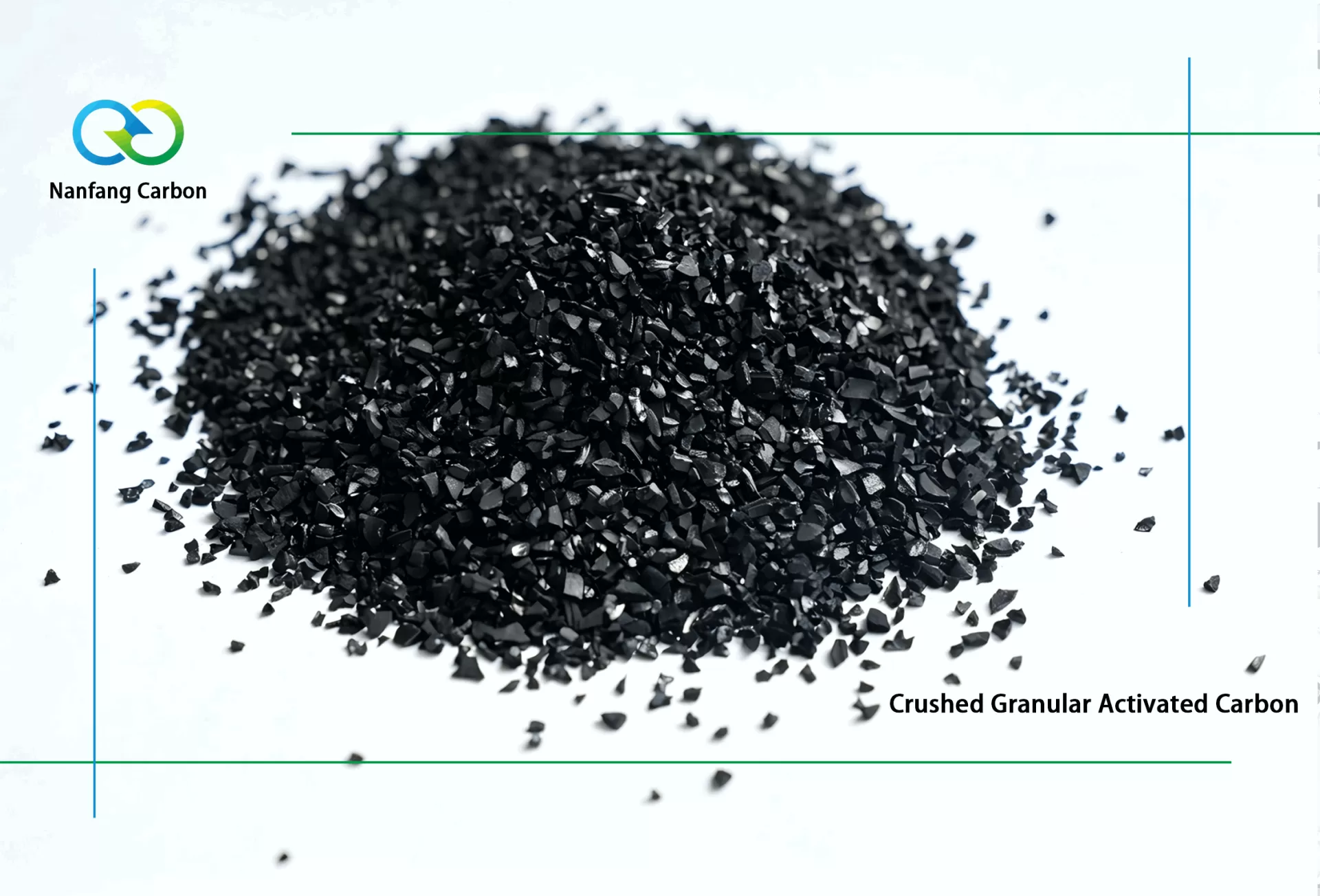
Granular activated carbon (GAC) remains the benchmark solution for municipal water purification, industrial effluent remediation, gold recovery, and vapor-phase emission control. Because pricing fluctuates based on energy inputs, base materials, and specialized processing steps, understanding the mechanical and chemical variables behind every price sheet ensures predictable project expenditures.
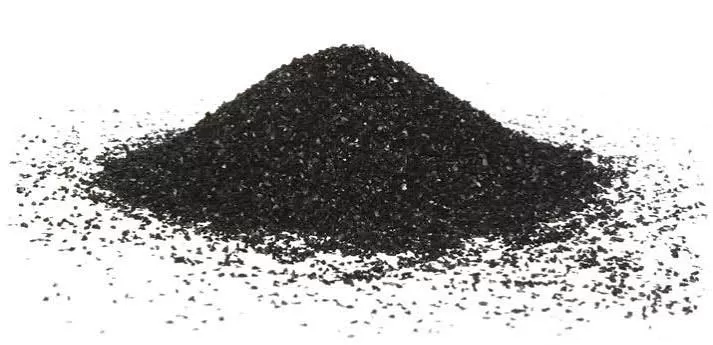
Raw Material Precursors and Their Direct Influence on Pricing
The base precursor used in carbonization accounts for up to sixty percent of the baseline product cost. Each raw material imparts distinct internal surface structures, bulk densities, and mechanical strengths, translating to distinct price brackets in the global marketplace.
Bituminous and Anthracite Coal: Widely used for municipal potable water treatment and industrial wastewater management. Coal-based media feature an expansive transition-pore distribution (micro- to mesoporous). The cost of coal-derived GAC relies heavily on regional mining regulations, energy tariffs for calcination, and carbon yields during thermal processing.
Coconut Shell: The premier precursor for vapor-phase adsorption, solvent recovery, and precious metal extraction. Coconut shell char delivers an intensely microporous framework (pore diameters under 2 nanometers) with high mechanical hardness. Fluctuations in agricultural yields, seasonal weather events, and transportation costs from equatorial harvesting zones create distinct volatility in coconut shell GAC pricing. Modern producers like Nanfang utilize vertically integrated supply chains to stabilize these precursor fluctuations for global buyers.
Wood (Lignocellulosic) Char: Characterized by large macropores and mesopores, wood-based media are engineered primarily for decolorization, food and beverage refinement, and large organic molecule adsorption. Lower yield rates during activation often place high-purity, acid-washed wood carbon at a premium pricing tier.
Physicochemical Specifications Governing Granular Activated Carbon Price
Specifying activated carbon requires matching target contaminants to specific adsorption metrics. Media with elevated activity levels require longer thermal residence times and higher energy inputs, which directly scales the granular activated carbon price upward.
1. Iodine Number and Apparent Surface Area
The iodine number (expressed in mg/g) serves as the standard index for micropore development (pores between 1.0 to 1.5 nm). Standard industrial coal carbons typically register iodine numbers between 800 and 950 mg/g. Higher-performance grades, ranging from 1,000 to 1,200 mg/g, require prolonged exposure to steam at temperatures exceeding 900°C. This burns off additional internal carbon walls, lowering the mass yield per kiln run and increasing final unit production costs.
2. Abrasion Resistance and Hardness Number
In continuous-flow column systems, fluidized beds, or circuits with aggressive backwashing, soft media degrade into sub-mesh fines. This attrition leads to bed compaction, premature pressure drops, and media loss. High hardness numbers (typically 95% to 99% according to ASTM D3802) demand uniform raw materials and controlled baking steps. Investing in higher-hardness media prevents ongoing replacement expenses, directly mitigating the impact of the initial purchase price over multi-year operations.
3. Mesh Size Distribution and Hydraulics
Standard mesh dimensions—such as 8x30, 12x40, and 20x50 US Mesh—influence both mass transfer kinetics and fluid flow resistance. Producing fine granular grades involves additional milling, air-classification, and precise screening steps. These multi-stage separation lines yield higher rejection rates during screening, making tighter particle size distributions (low Uniformity Coefficients) costlier than wide-cut media.
4. Apparent Density vs. Bed Volume Economics
Granular media are bought by weight (metric tons or pounds) but deployed by volume (cubic meters or cubic feet in contactor vessels). A dense, coal-based media with an apparent density of 0.50 g/cm³ requires more metric tonnage to fill a 20 m³ filter vessel than a coconut-derived media with an apparent density of 0.43 g/cm³. Savvy procurement teams calculate the cost-per-bed-volume rather than focusing exclusively on the raw price per ton.
Secondary Processing Steps That Add Product Value
Standard virgin carbon straight out of the activation kiln contains residual ash, inorganic silicates, and open pores that may not suit high-purity or specialized filtration environments. Additional processing lines refine the material for targeted duties, shifting the granular activated carbon price higher to reflect the supplementary manufacturing steps.
Acid Washing and Demineralization: Treating activated carbon with hydrochloric or nitric acid removes acid-soluble ash, iron compounds, and silica. This process is mandatory for pharmaceutical products, ultrapure semiconductor rinse water, and low-pH beverage filtration to prevent rinse-up delays and media leaching.
Chemical Impregnation: For gaseous streams containing target toxic compounds, carbon surfaces are chemically enriched. Common impregnants include potassium hydroxide (KOH) for hydrogen sulfide removal, potassium iodide (KI) for mercury capture, or copper complexes for basic ammoniacal odors. Impregnation increases the raw product weight and involves specialized chemical synthesis, establishing a higher price baseline.
Water-Washing and De-dusting: Air scouring and water rinsing remove electrostatic fines before bagging, accelerating wetting and commissioning times in downstream operational plants.
Global Supply Chain Variables and Packaging Configurations
Logistical parameters represent a major fraction of landed media costs. Granular activated carbon is low in density compared to metals or aggregate minerals, meaning shipping containers frequently hit volumetric limits before reaching maximum gross weight allowances.
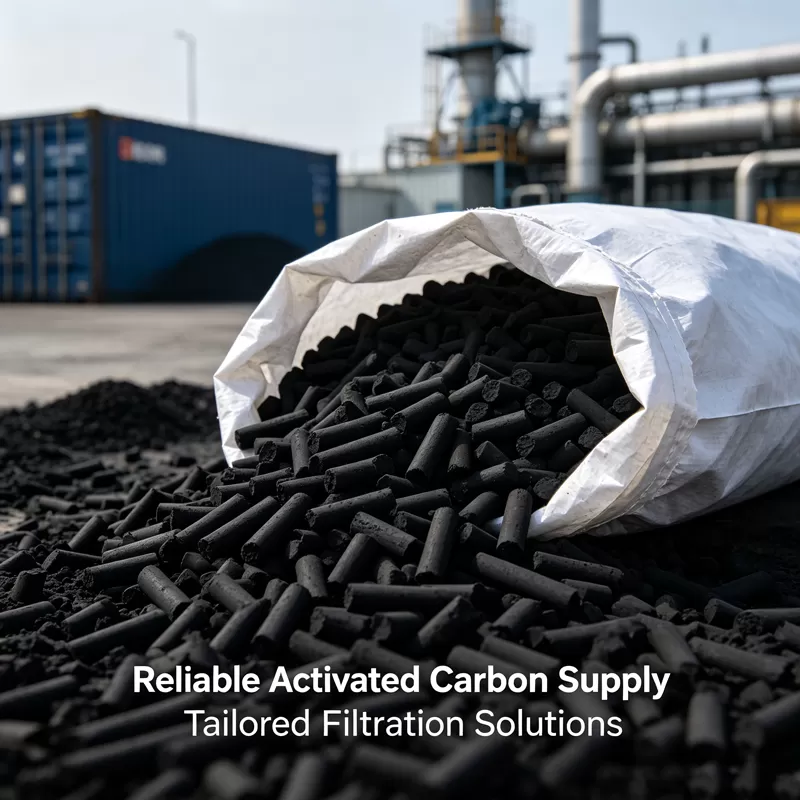
Packaging options directly affect storage stability and handling efficiency. Standard 25 kg multi-wall valve paper bags with internal polyethylene moisture barriers command different packaging markups compared to 500 kg or 1,000 kg polypropylene super sacks (bulk bags). Bulk bags fitted with discharge spouts and anti-static liners minimize on-site unloading labor, allowing large municipal facilities to lower their operational handling expenditures.
Production hubs situated close to international deep-water ports reduce domestic inland freight legs. Industrial entities such as Nanfang systematically streamline loading protocols and port access, reducing demurrage exposures and localized drayage additions that often inflate landed product costs for international buyers.
Procurement Matrix: Virgin vs. Reactivated Media
When engineering adsorption systems, purchasing teams often evaluate custom thermal reactivation against fresh virgin media. The decision significantly shapes the ongoing granular activated carbon price structure over a multi-year project horizon.
Virgin activated carbon guarantees pristine baseline pore structures, zero contaminant carryover, and uniform adsorption curves. It remains non-negotiable in drinking water utilities adhering to NSF/ANSI Standard 61, food processing lines, and high-purity manufacturing. Conversely, thermally reactivated carbon (custom or pool reactivated) offers a discount of 20% to 40% compared to virgin coal or coconut media. Reactivation strips spent organics via controlled high-temperature oxidation, though it causes a minor loss in micropore volume and 5% to 10% mass loss per cycle due to burnoff and attrition.
System Lifetime and Bed Volume Calculations: Lowering True OPEX
A low granular activated carbon price does not translate to low filtration costs if the carbon requires frequent bed exchanges. Calculating the Empty Bed Contact Time (EBCT) alongside the Carbon Usage Rate (CUR) provides the accurate operational expenditure model.
The Carbon Usage Rate is calculated using the breakthrough curve of the target contaminant:
CUR = Mass of Carbon in Contactor / Volume of Water Treated at Breakthrough Point
Media with superior internal connectivity and an optimized pore distribution yield a steep adsorption isotherm. This dynamic delays breakthrough, extending operational runtimes between turnarounds. Even if premium-grade media costs 15% more per metric ton, a 30% reduction in replacement frequency halves transportation, vessel dumping, re-bedding, and disposal costs over the lifetime of the installation.
Industrial Standards and Quality Verification Measures
Procuring reliable carbon requires standardized pre-shipment testing to prevent media failure in the field. Procurement agreements should mandate verified Certificates of Analysis (COA) cross-referencing globally recognized testing bodies, primarily ASTM International and AWWA (American Water Works Association) standards.
ASTM D4607: Standard Test Method for Determination of Iodine Number of Activated Carbon.
ASTM D2854: Standard Test Method for Apparent Density of Activated Carbon.
ASTM D2867: Standard Test Method for Moisture in Activated Carbon.
ASTM D3802: Standard Test Method for Ball-Pan Hardness of Activated Carbon.
ASTM D2862: Standard Test Method for Particle Size Distribution of Granular Activated Carbon.
Enforcing these mechanical and adsorption baselines prevents suppliers from blending low-activity sub-bituminous carbon into high-grade anthracite or coconut consignments, protecting capital equipment and downstream processing units.
Frequently Asked Questions
What is the typical market granular activated carbon price per metric ton?
Prices range across a wide spectrum depending on raw material, activation level, and post-processing steps. Standard industrial-grade coal-based GAC generally ranges from $1,200 to $2,200 per metric ton, while high-iodine coconut shell carbon ranges between $2,000 and $3,800 per metric ton. Specialty grades, such as acid-washed, ultra-high-surface-area, or chemically impregnated carbons, can exceed $4,500 per metric ton depending on the complexity of the formulation.
How does mesh size selection affect the overall media cost?
Standard mesh distributions (e.g., 8x30 mesh) balance production yield with hydraulic performance and carry standard pricing. Tighter distributions or smaller granular fractions (such as 20x50 mesh used in rapid-kinetics applications) require multiple classification cuts, yielding higher reject rates during manufacturing. These specialized cuts carry a pricing premium due to screening yield losses.
Why does apparent density matter when comparing vendor quotations?
Activated carbon is purchased by weight but fills a fixed physical volume in contactors. A higher-density media requires more weight (metric tons) to achieve the same bed volume as a lower-density media. Buyers must calculate the total cost to fill the vessel volume rather than comparing invoice pricing strictly on a per-ton basis.
Can spent granular activated carbon be regenerated to offset replacement costs?
Yes. Non-hazardous spent carbon from municipal drinking water or industrial treatment can be thermally reactivated in custom or pool kilns. Thermal reactivation burns off adsorbed volatile and semi-volatile organics, restoring 85% to 95% of original adsorption capacity at a lower cost than virgin carbon replacement.
What is the difference between standard water-washed and acid-washed carbon?
Water washing removes loose micro-fines and exterior dust generated during screening. Acid washing uses acid solutions to dissolve mineral ash, silicates, and heavy metals bound within the carbon matrix. Acid-washed grades cost more due to chemical reagents, neutralization steps, and energy expended during post-treatment drying.
How do shipping terms and packaging formats influence the final invoice?
Because activated carbon is a bulky, low-density cargo, freight rates impact unit economics significantly. Shipping in 500 kg or 1,000 kg bulk bags maximizes container cubic capacity and reduces packaging markups compared to 25 kg valve bags. Purchasing under balanced Incoterms (e.g., FOB or CIF) from high-volume manufacturers helps manage shipping cost variables.
Direct Sourcing and Specification Support
Securing the right balance between adsorption capacity, mechanical integrity, and material cost requires rigorous engineering evaluation. Media selection should always match the specific chemical kinetics and hydraulic profiles of your filtration plant. Industrial purchasers looking to evaluate direct-from-manufacturer pricing structures and receive tailored material specifications can consult the technical sales division at Nanfang.
Contact Procurement Specialists: nkty87740956@163.com | Direct Supply & Global Logistics Support
.webp)