
Engineered Wood Powder Activated Carbon for Food and Chemical Processing
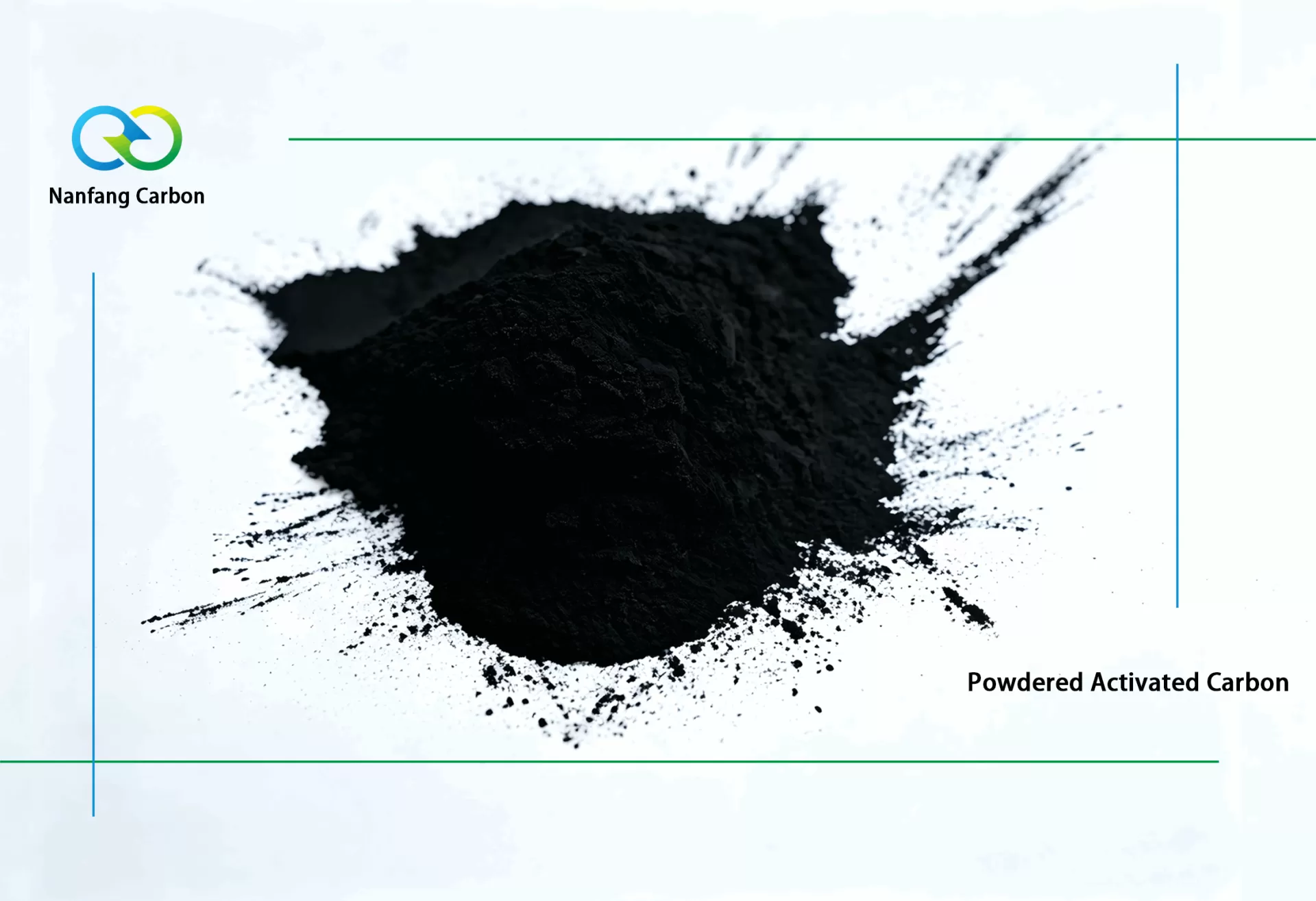
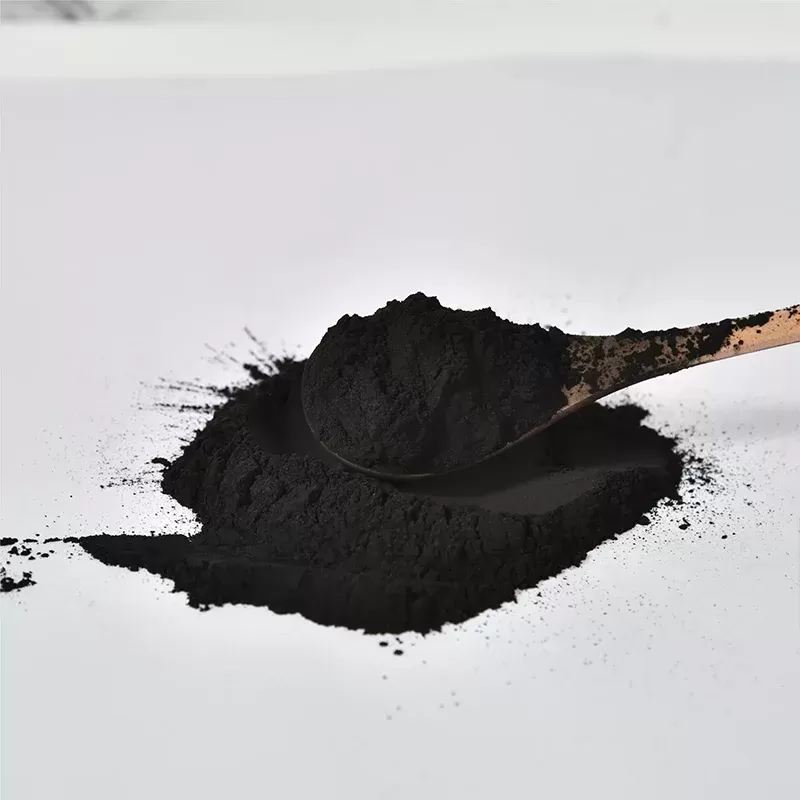
Liquid-phase purification in chemical, pharmaceutical, and food processing industries requires specialized adsorbent materials capable of capturing large molecular impurities. Among various carbonaceous media, wood powder activated carbon stands out due to its unique transitional pore structure, high surface area, and exceptional adsorption kinetics. Derived from selected wood chips and sawdust, this finely divided material provides rapid contact efficiency and high loading capacities for color bodies, high-molecular-weight organic compounds, and unwanted odor precursors.
Achieving process efficiency in demanding separation operations requires understanding the interplay between raw material precursors, activation chemistry, particle size distribution, and hydrodynamic behavior during filtration. Industrial facilities depend on precisely controlled carbon parameters to maintain production continuity, reduce yield loss, and adhere to stringent purity standards.
Precursor Selection and Chemical Activation Mechanisms
The performance profile of carbonaceous adsorbents depends fundamentally on the botanical origin of the precursor and the activation methodology employed during thermal processing. Wood represents a distinct lignocellulosic structure rich in cellulose, hemicellulose, and lignin, providing a cellular framework that yields a predominantly mesoporous matrix upon controlled degradation.
Unlike mineral coal or dense coconut shells, which develop tight microporous networks (pores under 2 nanometers), wood powder activated carbon develops an extensive network of mesopores (between 2 and 50 nanometers) and macropores (greater than 50 nanometers). This structural hierarchy allows large dye molecules, polyphenols, proteins, and colloidal matters to diffuse rapidly into internal adsorption sites without causing pore blockage.
Phosphoric Acid Activation Route
The majority of high-performance wood-based powders are manufactured via chemical activation using phosphoric acid ($H_3PO_4$). In this process, uncarbonized sawdust is impregnated with concentrated acid solutions at specific weight ratios before entering a direct-fired rotary kiln operating between 400°C and 600°C. The acid functions as a chemical dehydrating agent and structural template:
It promotes the biopolymer degradation of cellulose and lignin at lower temperatures than thermal pyrolysis.
It forms phosphate and polyphosphate bridges that crosslink biopolymer fragments, preventing volumetric shrinkage during carbonization.
Upon washing and extraction of the residual acid, the space previously occupied by the phosphate esters leaves behind a broad, accessible mesopore network.
Thermal Steam Activation Route
Alternatively, wood charcoal undergoes physical activation in the presence of steam or carbon dioxide at temperatures between 800°C and 1000°C. Steam reacts endothermically with the carbon matrix through the water-gas reaction ($C + H_2O \rightarrow CO + H_2$), selective etching carbon atoms to open internal surface area. While steam activation generates higher surface areas with narrower pore dimensions, the chemical activation pathway remains the preferred method when producing powders designated for deep color removal in viscous liquids.
Performance Parameters and Analytical Metrics
Specifying the correct grade of wood powder activated carbon requires analyzing specialized metrics beyond standard surface area calculations (such as BET surface area). Liquid-phase applications demand testing methods that simulate actual operating conditions.
Methylene Blue and Caramel Decolorization Indexes
Methylene blue value (measured in mg/g or mL) quantifies the capacity of the adsorbent to capture medium-sized organic molecules around 1.5 nanometers. Wood-based matrices typically exhibit methylene blue adsorption numbers ranging from 150 mg/g to over 300 mg/g. For larger colloidal bodies, caramel decolorization percentage serves as the primary benchmark. High caramel numbers correlate directly with the abundance of 3 to 10 nanometer transport pores, making this metric fundamental for corn wet milling, sugar refining, and fermentation broth clarifying.
Purity, Ash Composition, and Surface Chemistry
High residual mineral content introduces process contamination and alters solution pH. Wood precursors contain naturally low native ash levels (typically below 3% to 5%), consisting mainly of soluble silica, potassium, and calcium salts. Manufacturers like Nanfang apply intensive acid and demineralized water washing stages to lower total iron, chloride, and heavy metal fractions to parts-per-million levels. Surface functional groups, including carboxyl, phenolic, and lactonic moieties, impart a slightly acidic to neutral surface charge, directly influencing the zeta potential and colloidal separation efficiency during dosing.
Particle Size Distribution and Filtration Dynamics
Wood carbon powders are milled to fine size distributions, typically where 90% passes through a 200-mesh (75 μm) or 325-mesh (45 μm) sieve. The balance between mass transfer rate and cake filtration resistance governs operational throughput:
Finer grinds provide larger external surface areas and shorter diffusion paths, accelerating adsorption equilibrium in batch mixing vessels.
Overly broad sub-micron fractions lead to high cake compressibility, blinding filter cloths, and increasing pressure drop across leaf filters, plate-and-frame presses, or candle filtration units.
Major Industrial Applications
The specialized pore architecture of wood powder activated carbon renders it the standard adsorbent across liquid purification sectors where molecular size diversity challenges narrower microporous media.
Sugar Refining and Starch Sweetener Clarification
In the processing of cane sugar, beet sugar, glucose, fructose, and maltose syrups, thermal degradation products such as hydroxymethylfurfural (HMF), melanoidins, and caramel compounds impart dark brown coloration. Introducing wood powder activated carbon directly into the evaporation stream removes these chromophores, prevents subsequent color reversion in downstream crystallizers, and removes turbidity without introducing off-flavors.
Pharmaceutical Processing and API Synthesis
Active pharmaceutical ingredients (APIs), antibiotics, analgesics, and chemical intermediates frequently contain trace synthesis side-products, unreacted precursors, and pyrogens. Ultra-pure grades processed by Nanfang provide high adsorption efficiency for these impurities while maintaining non-reactive, stable chemical properties that prevent the decomposition of sensitive active compounds.
Fermentation and Food Additive Processing
Organic acids (such as citric acid, lactic acid, and gluconic acid), monosodium glutamate (MSG), and amino acid manufacturing rely on microbiological fermentation. The resulting broths contain spent cellular components, residual proteins, and biological pigments. Wood-derived powder acts as both an adsorbent and a mechanical filter aid, clarifying the mother liquor before membrane concentration or crystallization stages.
Industrial Wastewater Polishing and Trace Contaminant Removal
Textile dyeing effluents, chemical manufacturing discharge, and landfill leachates contain high chemical oxygen demand (COD), recalcitrant aromatics, and halogenated organics. Dosing powdered carbon into biological aeration basins (PACT process) or tertiary flocculation tanks effectively lowers refractory COD down to regulated discharge limits.
Process Implementation and Dosage Engineering
Operating a powdered carbon adsorption system involves defining precise dosing regimes, contact times, and solid-liquid separation protocols to balance consumable costs against purification targets.
Adsorption Isotherms and Dosing Calculations
Bench-scale testing utilizes Freundlich and Langmuir adsorption isotherm models to evaluate carbon capacity under specific temperature, pH, and contact time variables. The linearized Freundlich equation ($ \log(x/m) = \log K + (1/n)\log C_e $) allows process engineers to determine the exact dosage ($x/m$) required to achieve target residual impurity concentrations ($C_e$).
Batch vs. Counter-Current Multi-Stage Dosing
While single-stage batch stirring is simple to operate, counter-current two-stage systems offer significant savings in carbon consumption:
First Stage: Fresh, highly contaminated feed liquid contacts partially spent carbon cake recovered from the second stage, utilizing residual adsorption capacity.
Second Stage: The pre-treated liquid encounters virgin wood powder activated carbon, ensuring maximum driving force for final trace impurity capture before sending the cake back to the first stage.
Slurry Handling and Dust Control Engineering
To eliminate workplace particulate exposure and explosion hazards associated with dry powder handling, automated systems use vacuum-unloading bulk bag stations paired with enclosed eductor systems. The carbon is immediately wetted into a 5% to 10% concentrated aqueous slurry inside agitated makeup tanks before metering into process streams with positive displacement pumps.
Quality Control and Sourcing Considerations
Maintaining consistent operational parameters within industrial facilities requires sourcing materials with high batch-to-batch uniformity. Deviations in moisture content, wet bulk density, or methylene blue adsorption values can lead to incomplete decolorization or premature blinding of filtration equipment. Advanced manufacturers, including Nanfang, utilize automated continuous kilns and laser diffraction particle size analyzers to maintain tight specification windows across high-volume production runs.
Frequently Asked Questions
Why is wood-based carbon preferred over coal or coconut shell carbon for liquid decolorization?
Liquid-phase color bodies and organic impurities typically consist of large, high-molecular-weight compounds. Wood-based carbon features a dominant mesoporous network (2 to 50 nm) that accommodates these large molecules, whereas coal and coconut carbons feature dense micropores (under 2 nm) that restrict diffusion and lead to lower decolorization capacity.
How does activation method impact the surface chemistry of the final carbon powder?
Chemical activation with phosphoric acid creates oxygenated surface functional groups that provide a slightly acidic surface profile, which assists in binding cationic impurities and basic dyes. Steam activation creates a more neutral to basic surface, which may be selected when treating systems sensitive to pH shifts.
What is the typical contact time required for powdered carbon adsorption in batch processes?
Due to the small particle size and short diffusion distances of powdered carbon, adsorption equilibrium is typically reached within 15 to 45 minutes under adequate mechanical agitation. Operating beyond 60 minutes rarely yields additional purification and may increase energy consumption or cause minor particle attrition.
Can powdered activated carbon be regenerated and reused on-site?
Unlike granular activated carbon (GAC) or extruded pellets, powdered carbon is rarely regenerated thermally on-site due to high handling losses, filter cake drying energy requirements, and particulate entrainment in furnace exhaust streams. It is conventionally disposed of via incineration, landfilling, or biological degradation depending on the captured contaminants.
How do process engineers prevent filtration blinding when dosing high concentrations of powder?
Filtration performance is maintained by optimizing the particle size distribution, matching filter cloth permeability to the mean carbon particle diameter, and using diatomaceous earth or perlite pre-coats on filter leaves. Controlling linear flow velocities across the filter cake prevents compressive collapse of the porous layer.
Industrial Sourcing and Application Support
Selecting the appropriate grade of wood powder activated carbon requires analyzing target molecule dimensions, solvent characteristics, operating temperatures, and separation configurations. Our engineering team provides complete analytical testing, isotherm development, and application-specific product recommendations to optimize your purification system.
Submit your fluid specifications, target contaminants, and system throughput requirements to our technical specialists for detailed product data sheets, samples, and volume pricing.
.webp)