
Activated Carbon for Exhaust Gas Treatment – Key Parameter Requirements for Adsorption Process
1. The activated carbon filter box shall adopt a well-designed structure to prevent unfiltered gas from entering the subsequent process. The particulate matter concentration in the treated tail gas shall be less than 1 mg/m³. The filter box shall be equipped with a differential pressure gauge. The activated carbon shall be replaced timely and relevant records shall be kept once the pressure exceeds the threshold.
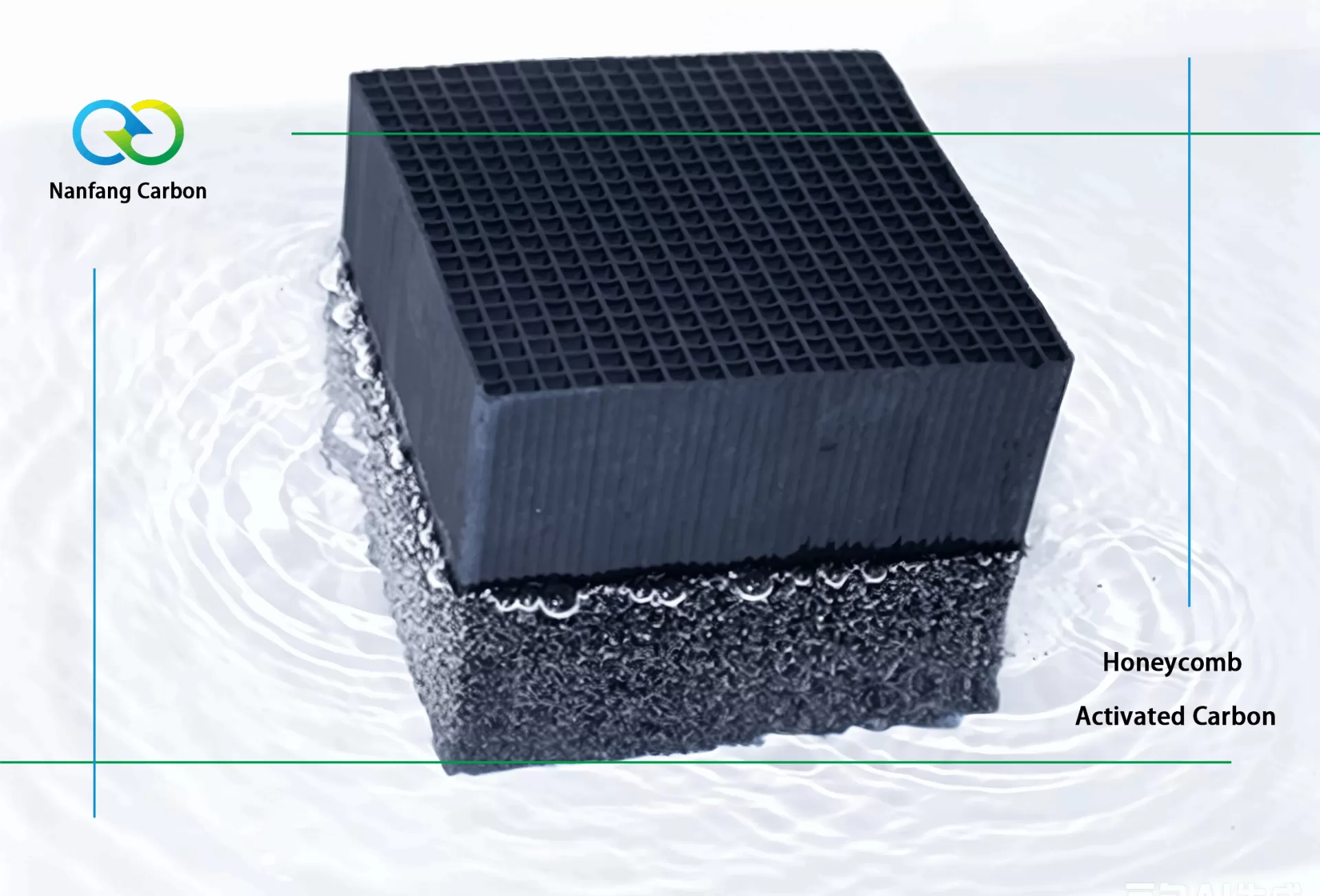
2. The volume ratio of activated carbon filling amount to hourly exhaust gas treatment capacity shall be no less than 1:5000. For every 10,000 Nm³/h of exhaust gas treatment volume, the adsorption cross-sectional area of honeycomb activated carbon shall be no less than 2.3 ㎡, and that of granular activated carbon shall be no less than 4.6 ㎡.
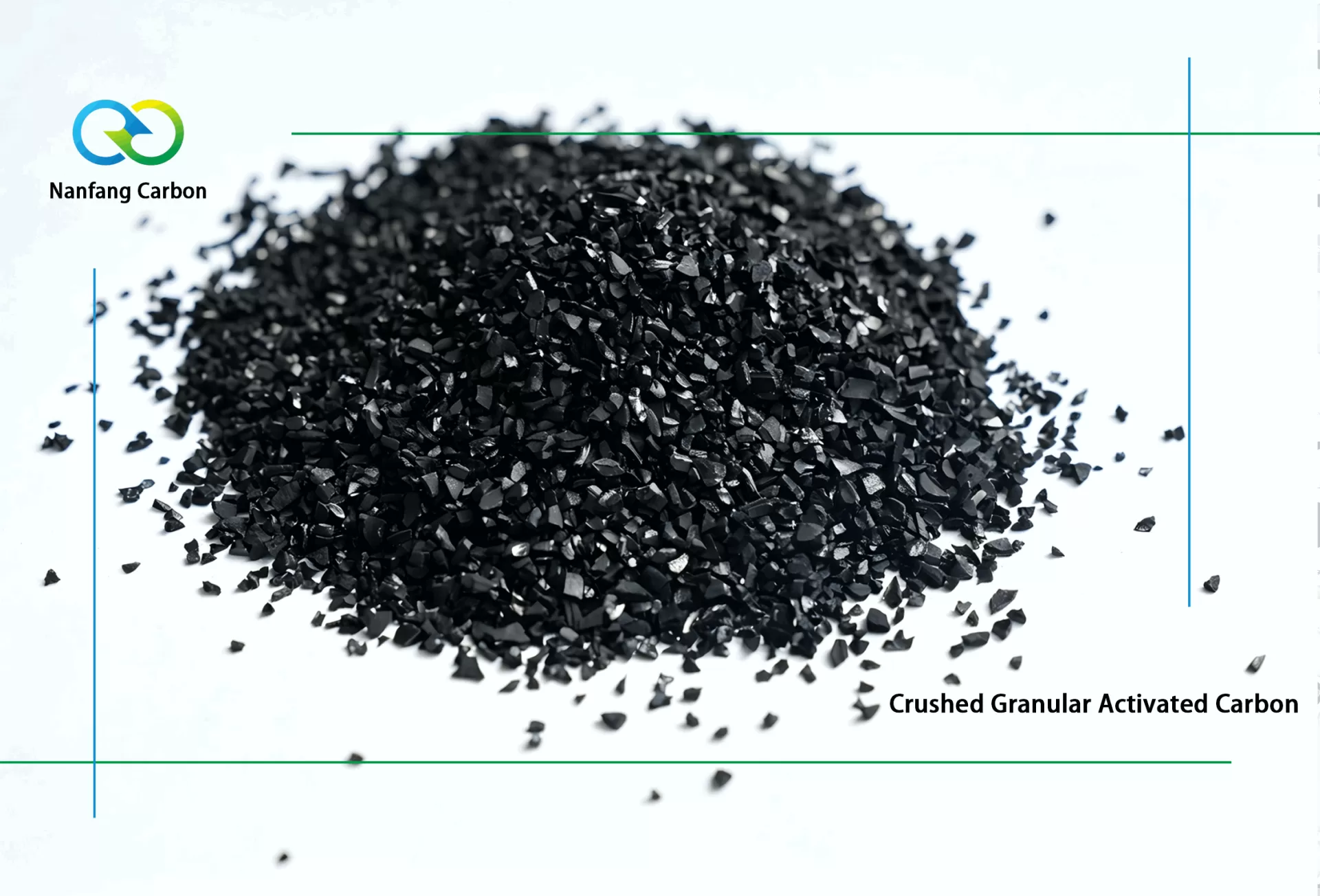
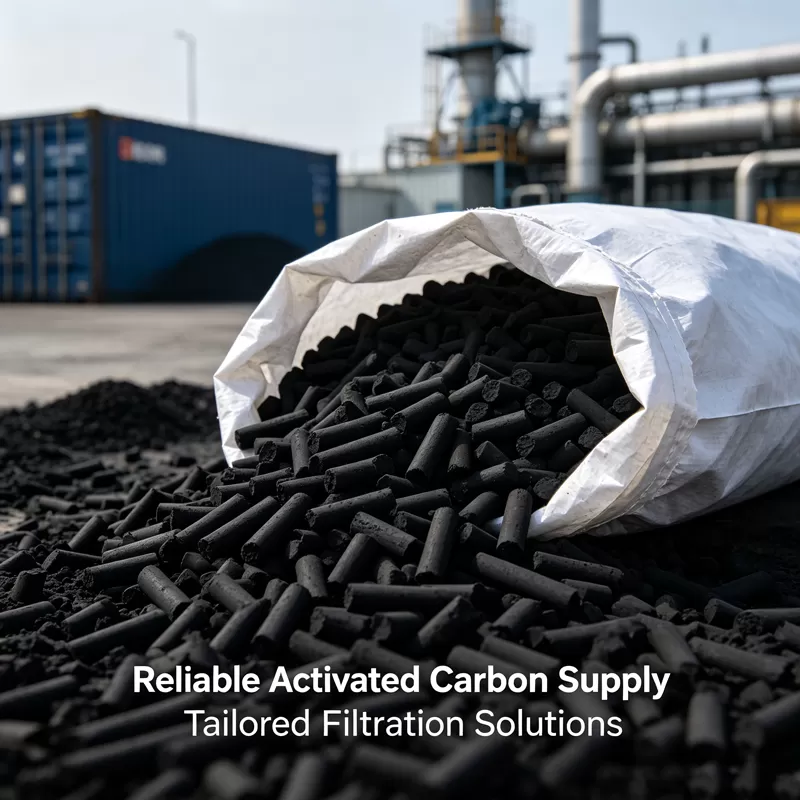
3. Columnar activated carbon is preferred for granular carbon products with a diameter ≤ 5 mm, specific surface area ≥ 1200 ㎡/g, iodine value ≥ 800 mg/g, and carbon tetrachloride adsorption rate ≥ 45%. For honeycomb activated carbon, the transverse compressive strength shall be no less than 0.3 MPa, the longitudinal compressive strength no less than 0.8 MPa, specific surface area ≥ 750 ㎡/g, iodine value ≥ 800 mg/g, and carbon tetrachloride adsorption rate ≥ 25%.
The parameter indicators of exhaust gas treatment activated carbon determine its practical adsorption performance and operational characteristics during application. Key influencing parameters include particle size, surface functional groups, alkaline surface functional groups, and micropore structure, as detailed below.
I. Particle Size
The particle size of activated carbon directly determines its adsorption capacity. Within a reasonable range, larger particle size contributes to better adsorption performance. For industrial production, selecting the appropriate particle size according to actual operating conditions is critical to maximizing the adsorption efficiency of activated carbon.
II. Surface Functional Groups
The surface of activated carbon contains abundant functional groups, mainly including oxygen-containing functional groups, carboxyl groups and other highly hydrophilic groups.
.webp)